

Pest Control for Apartment Buildings

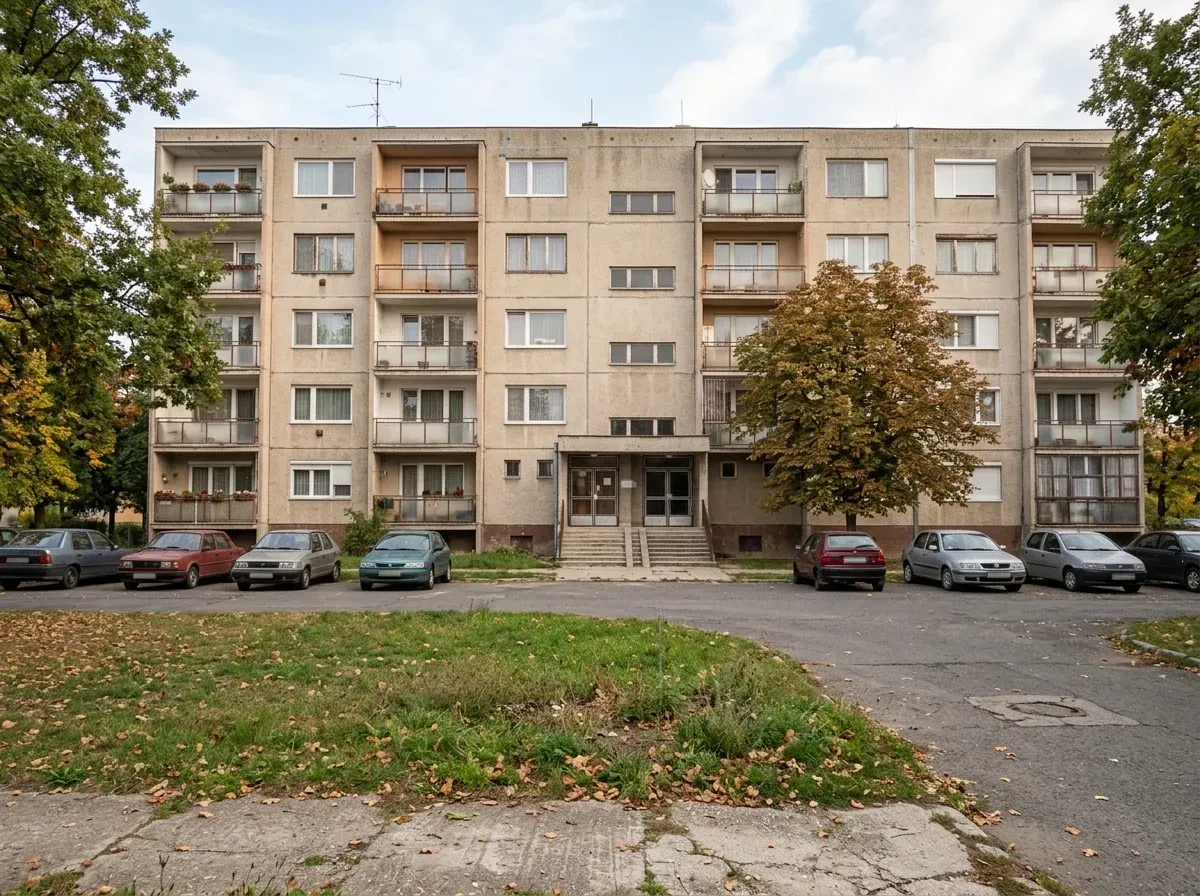
Pest control in an apartment building only works if it covers the whole building: cockroaches and bed bugs migrate flat to flat through service ducts and structural gaps. ARZÉN Kft. contracts with the building manager or the facility operator, and treats the entire building in one pass.

Apartment Buildings & Facility Management

Typical challenges

These are the situations that decide how the programme is built for your site – they are the first thing we look at during the survey.

  1. Partial treatment is ineffective — the pest moves next door

    1Partial treatment is ineffective — the pest moves next door

  2. Coordinating resident cooperation and access

    2Coordinating resident cooperation and access

  3. Managing the line between common and private property

    3Managing the line between common and private property

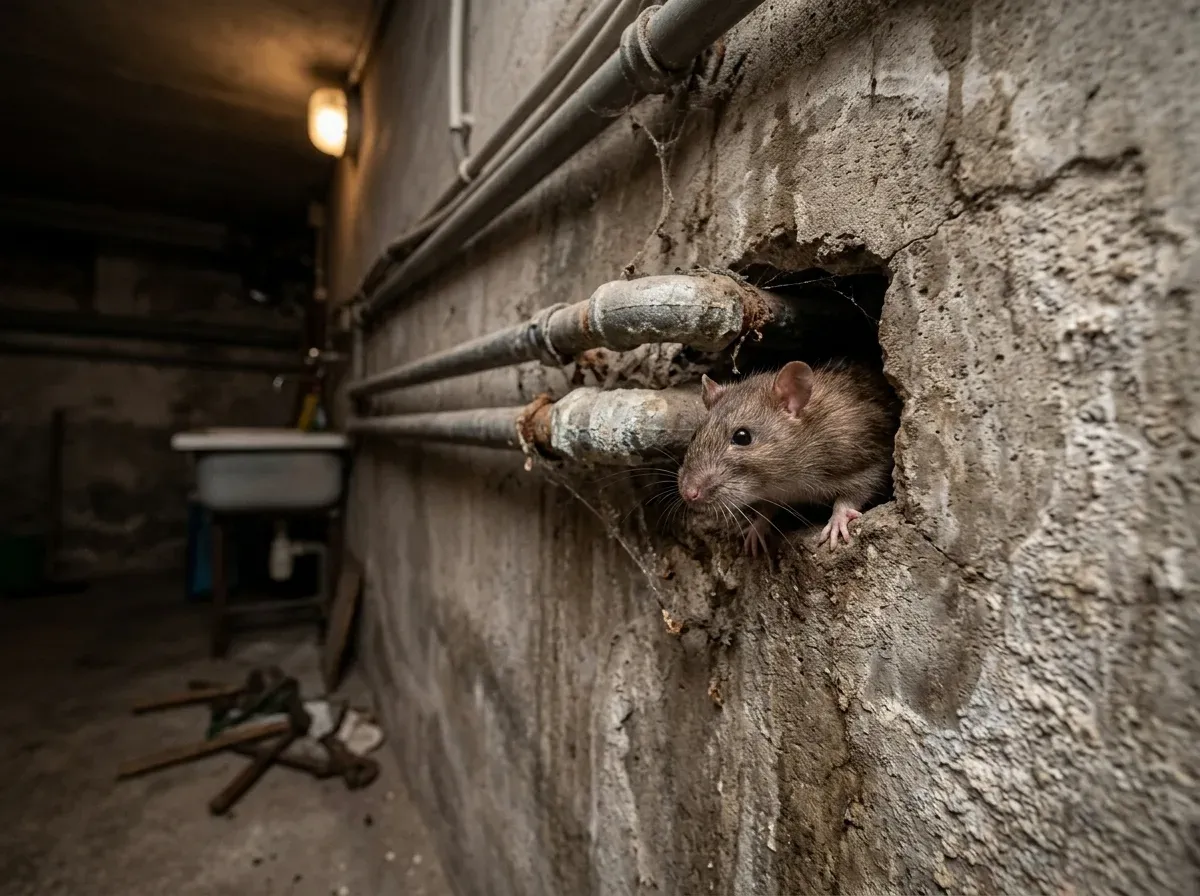
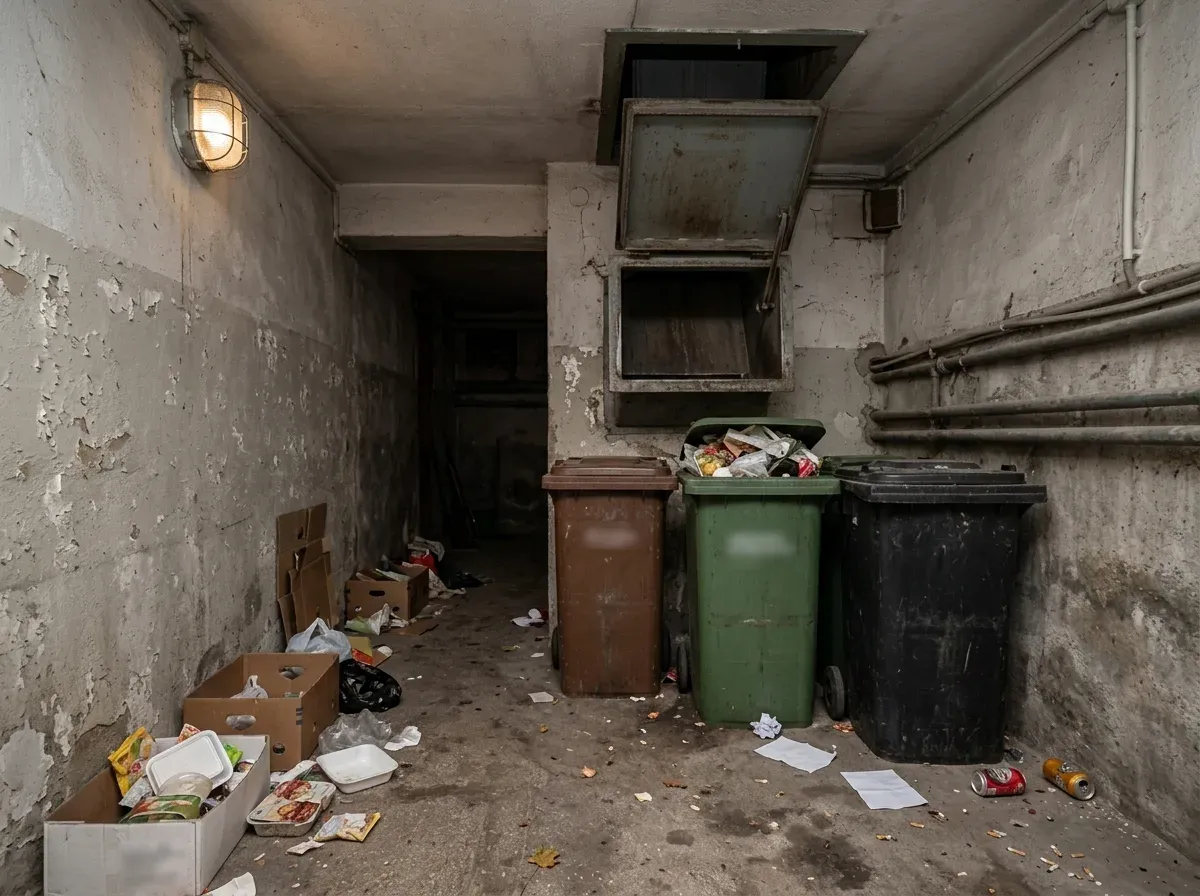
  4. Cellars, ducts and rubbish chutes as hotspots

    4Cellars, ducts and rubbish chutes as hotspots

  5. Transparent billing for the residents' association

    5Transparent billing for the residents' association

Why the whole building?

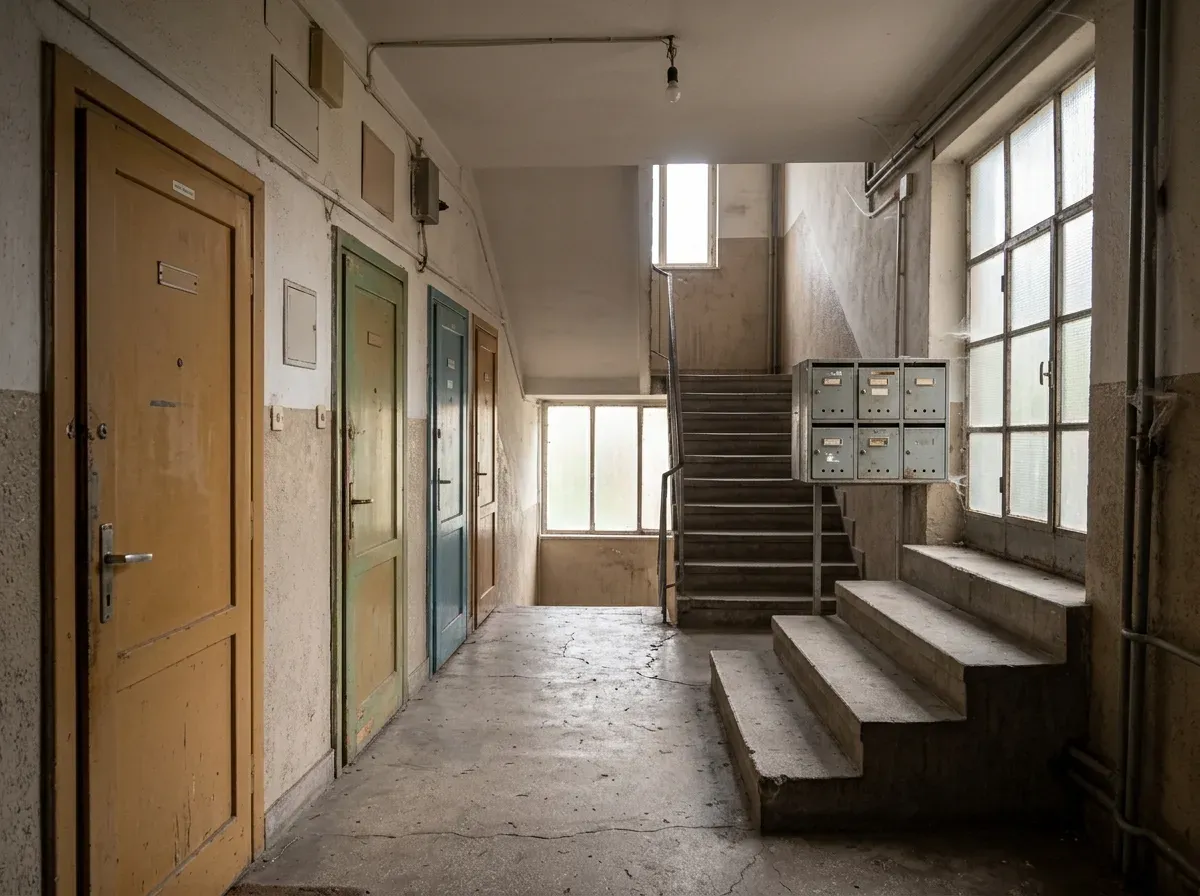
In an apartment building, the flats are not separate spaces: service ducts, cable runs, the ventilation system and structural gaps connect them. Cockroaches and bed bugs travel through these.

That is why treating a single flat does not work: the population survives the intervention next door and returns once the product’s effect wears off. An infestation in an apartment building can only be cleared in one pass, covering the whole building.

Hotspots

Cellars, service ducts, the rubbish chute and the refuse room are usually the most heavily infested points. Treatment must always cover these, even if the report came from a single flat.

Resident notices

Full coverage is what makes treatment succeed. Before treatment, we hand the building manager a written notice; it states the date, the preparation needed, and the length of the re-entry interval. We document the flats that were missed, because these carry the risk of the problem returning.

Who do we contract with?

In an apartment building, we contract with the building itself through the building manager, or with the facility management provider operating the building — not with individual flat owners. This is not a business decision but a technical one: pests move freely between the flats, the cellars and the ventilation system, so treating a single flat on its own does not lead to a lasting result. A few weeks after payment, the problem returns from next door.

For a self-contained property — a house, a standalone commercial unit — we of course contract directly with the owner.

Billing

We give the residents’ association a transparent account: the number of flats treated, the interventions carried out, the products used and the result of the follow-up check — in a form that can be presented to the general meeting.

Frequently asked questions

Why isn't it enough to treat a single flat?

Because cockroaches and bed bugs migrate into neighbouring flats through service ducts, cable runs and structural gaps. If only the affected flat is treated, the population survives the intervention next door and returns within a few weeks.

Who do you contract with, the resident or the building?

With the apartment building, through the building manager, or with the facility management provider operating the building. We do not contract with private individuals for a flat in an apartment building, because treating a single unit does not lead to a lasting result even on technical grounds.

What happens if a resident won't let you in?

The flat that is missed remains a hotspot, so before treatment we hand the building manager a written resident notice; it states the date, the preparation needed, and why cooperation matters. We document coverage, so it is visible which flats were missed.

More from us