The two common species
In Hungary, two species occur regularly in industrial and residential settings, and the treatment for one cannot substitute for the other.
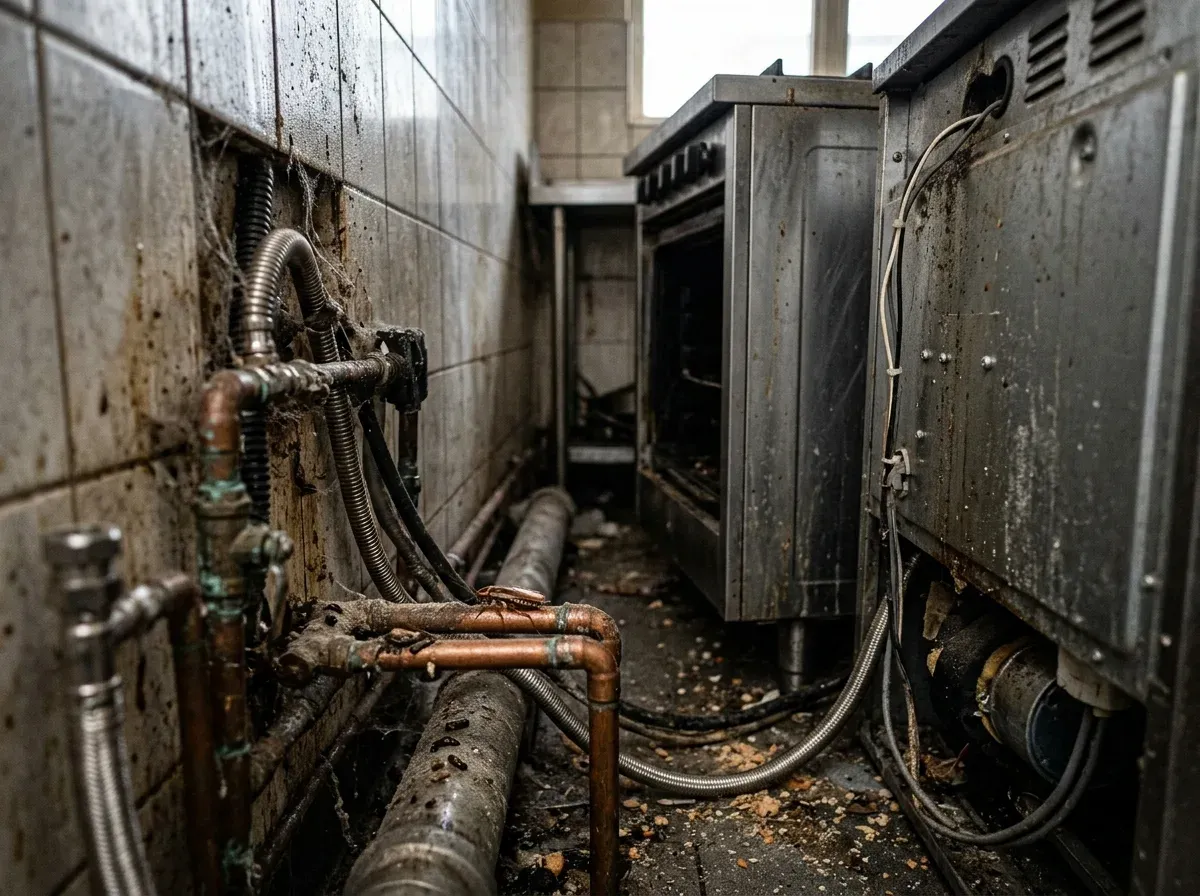
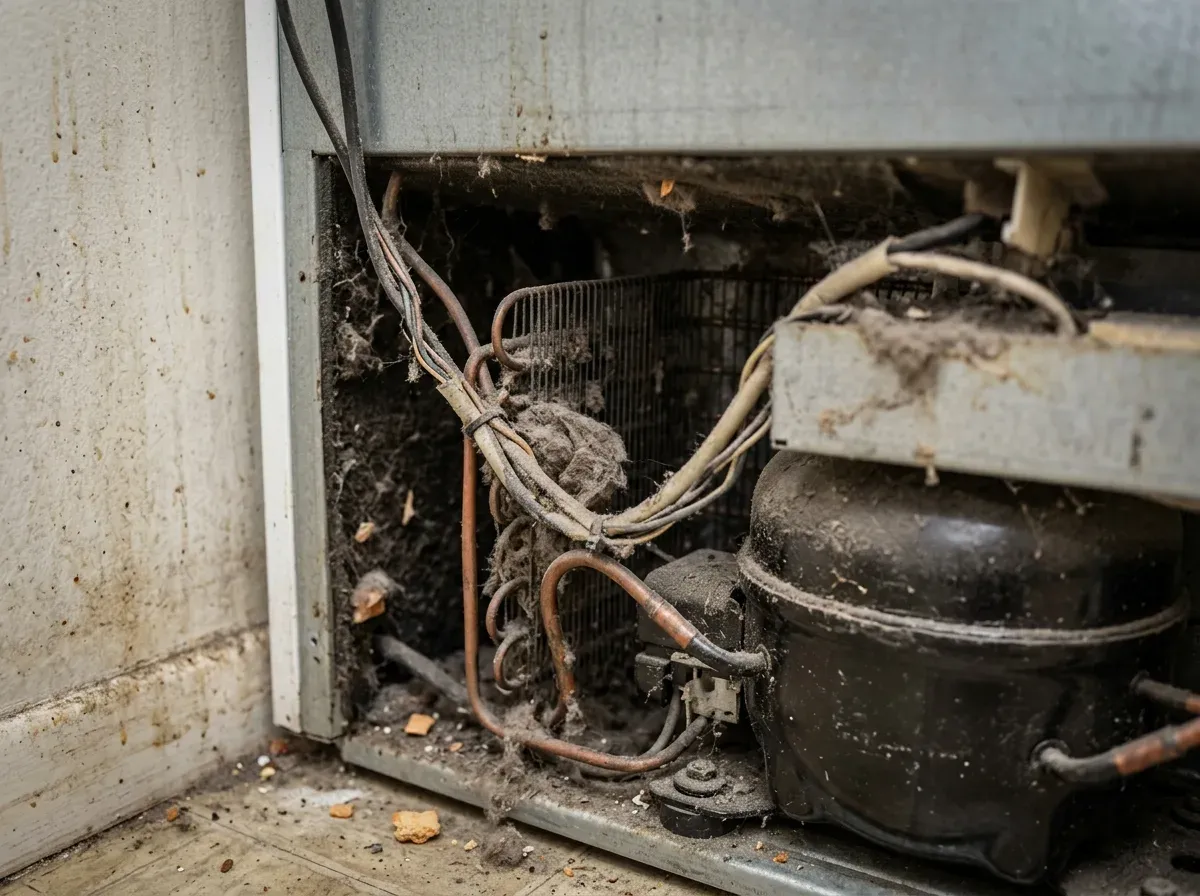
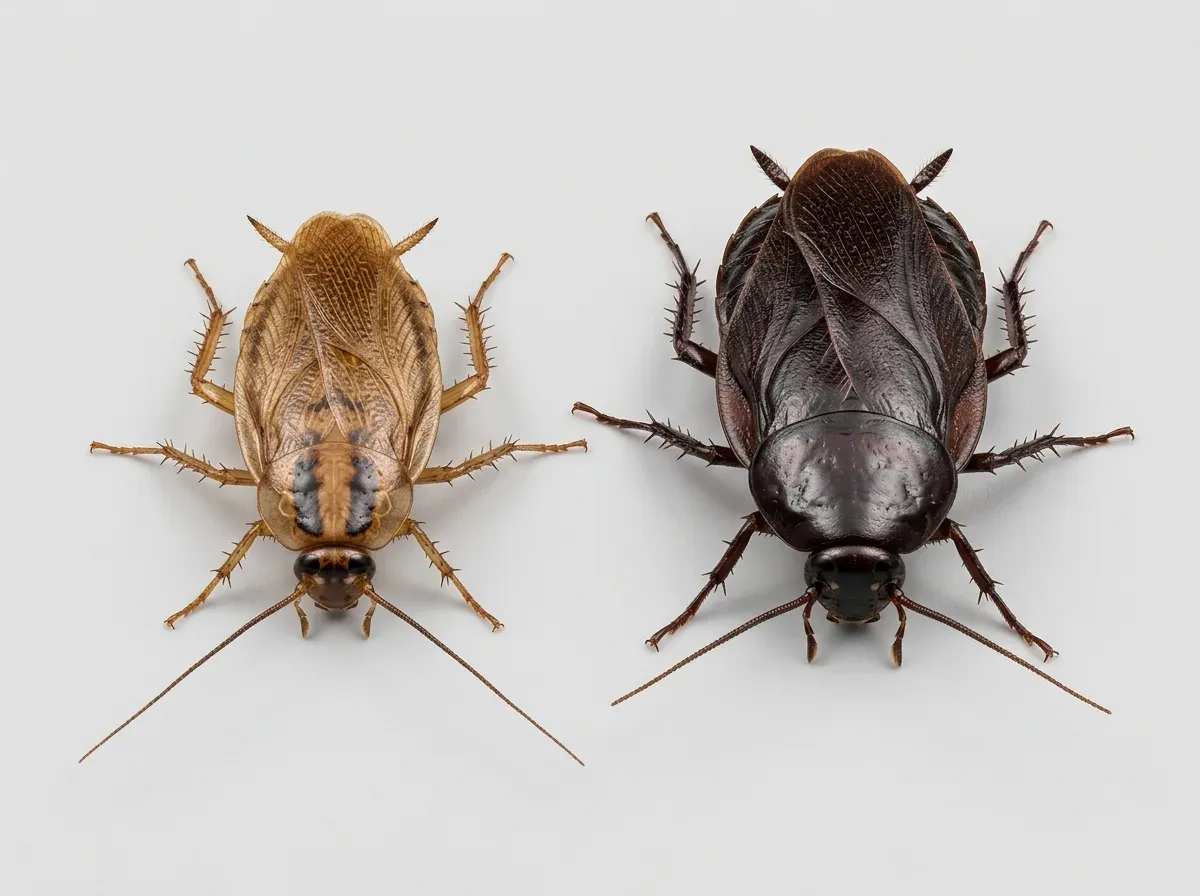
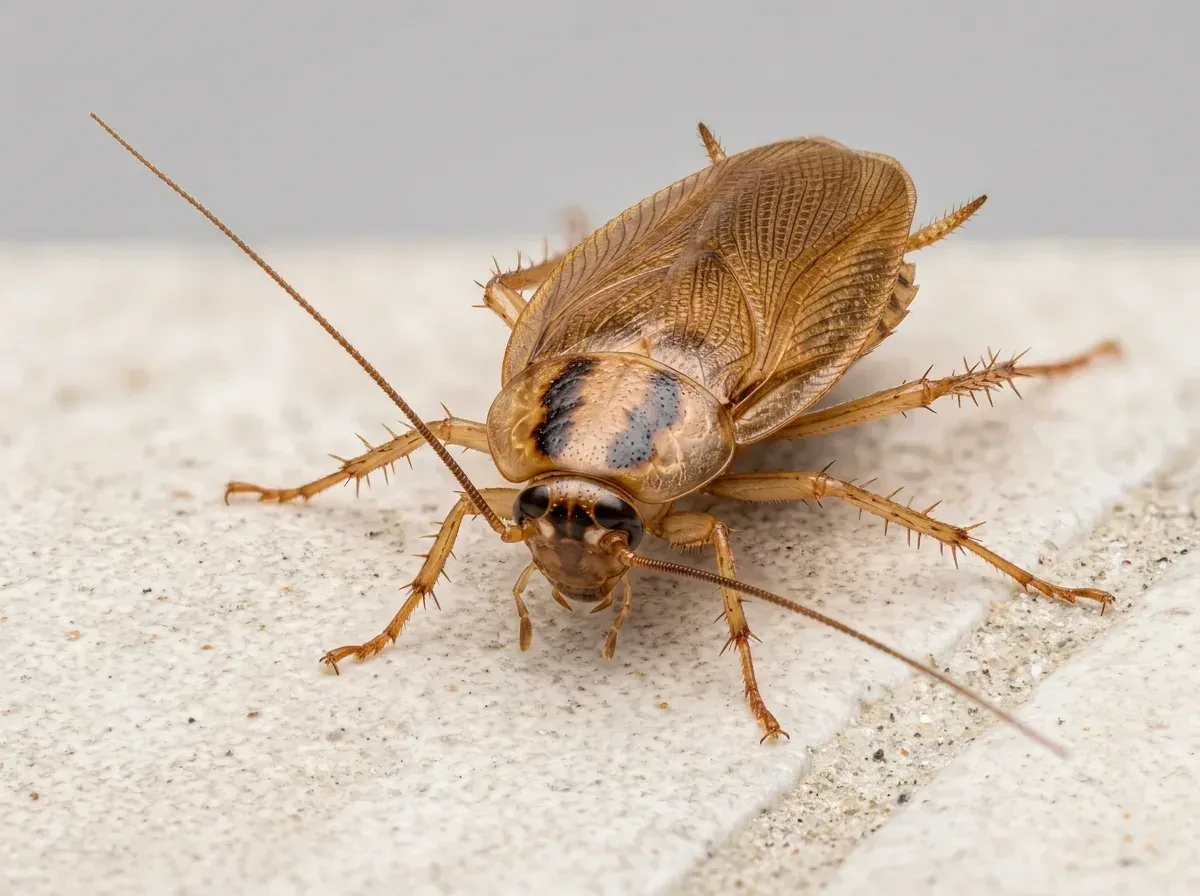
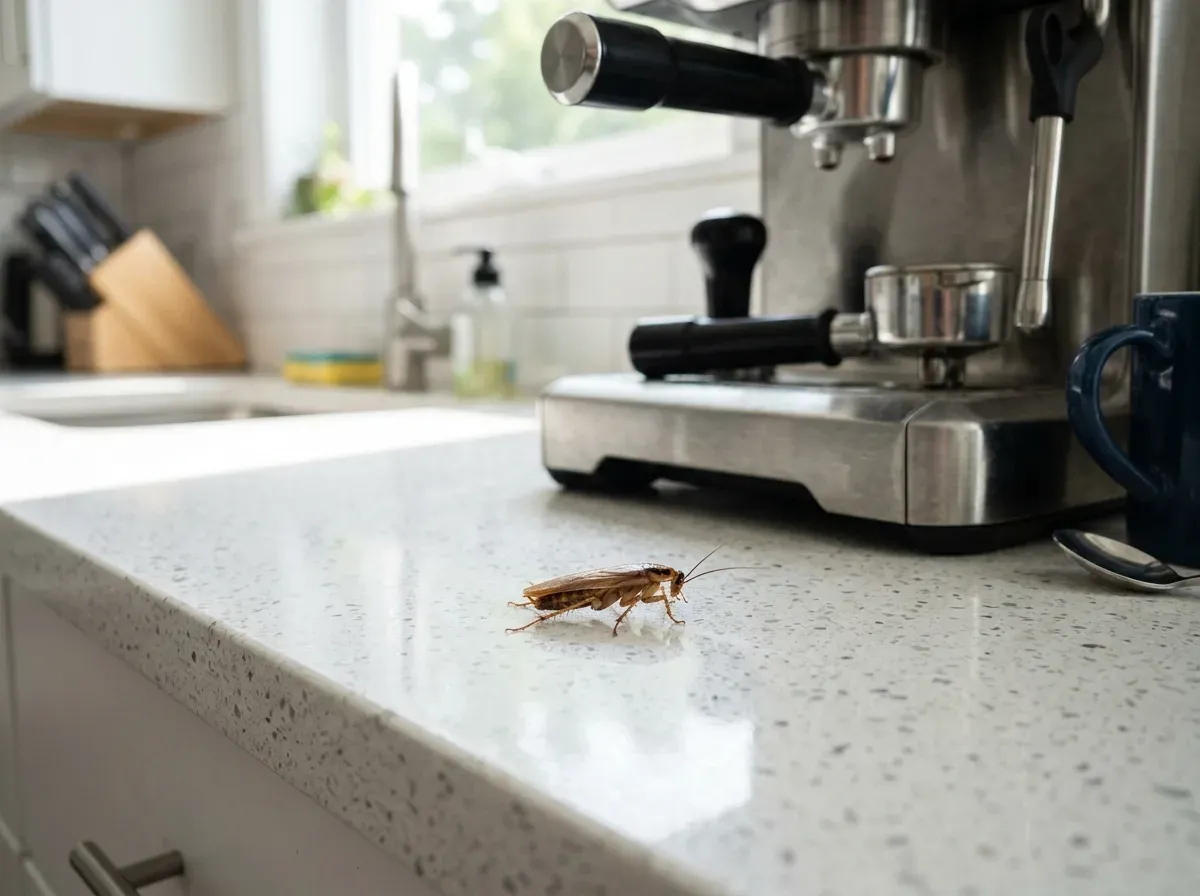
German cockroach (Blattella germanica) – smaller-bodied, light brown, with two dark longitudinal stripes on the back of the thorax. It seeks out warm, humid, protected cavities: the back of ovens, dishwasher insulation, refrigerator motor compartments, the underside of coffee machines. The female carries the egg case with her until it hatches, so the population regenerates quickly after an incomplete treatment.
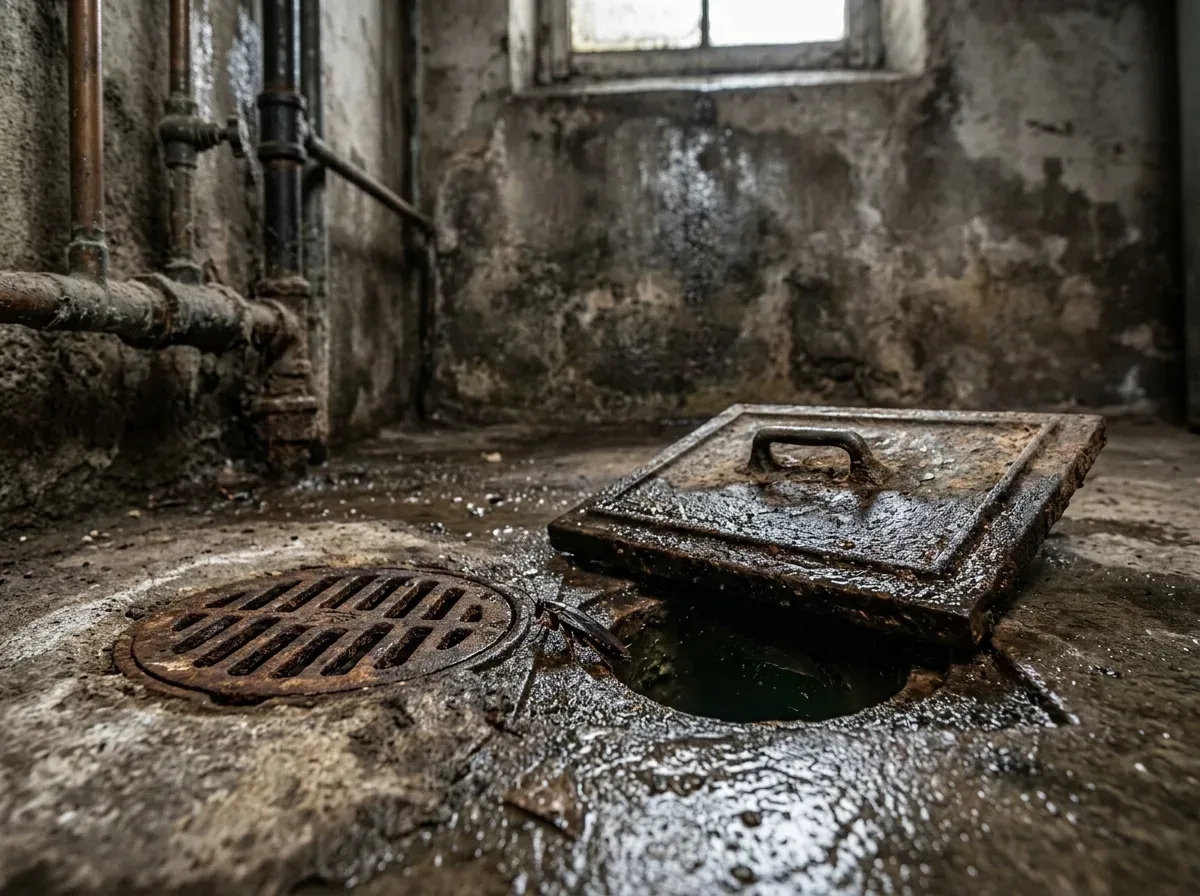
Oriental cockroach (Blatta orientalis) – larger, darker, slower-moving. It prefers cooler, damper sites: basements, drain connections, manholes, plant rooms. It typically comes in from below, through the utility network, so treatment inside the building alone is rarely enough – the entry route has to be treated as well.
How to recognise it
A live cockroach is rarely seen in daylight. In practice, the signs give it away:
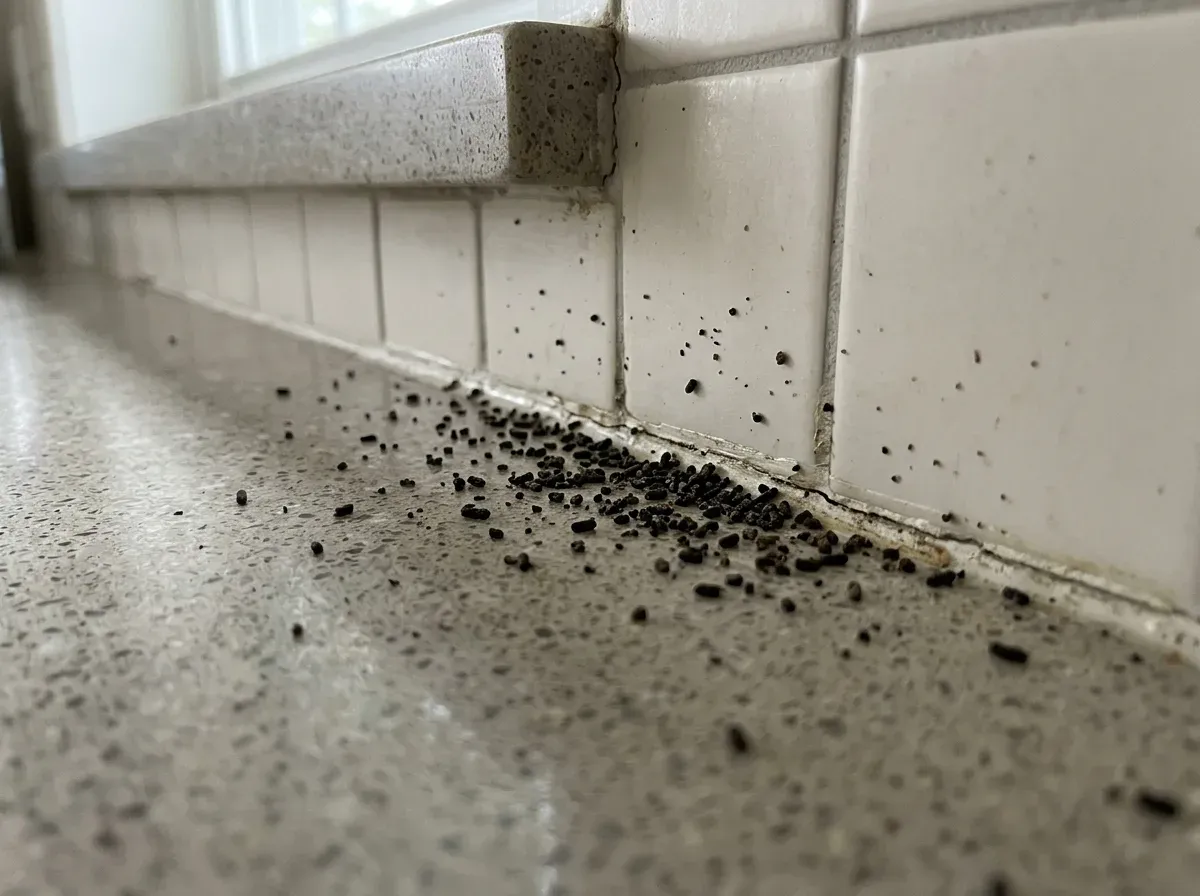
- Droppings – pepper-corn-sized, dark grains along gaps, corners, and the back of equipment. Their density is a good indicator of where the hiding place is.
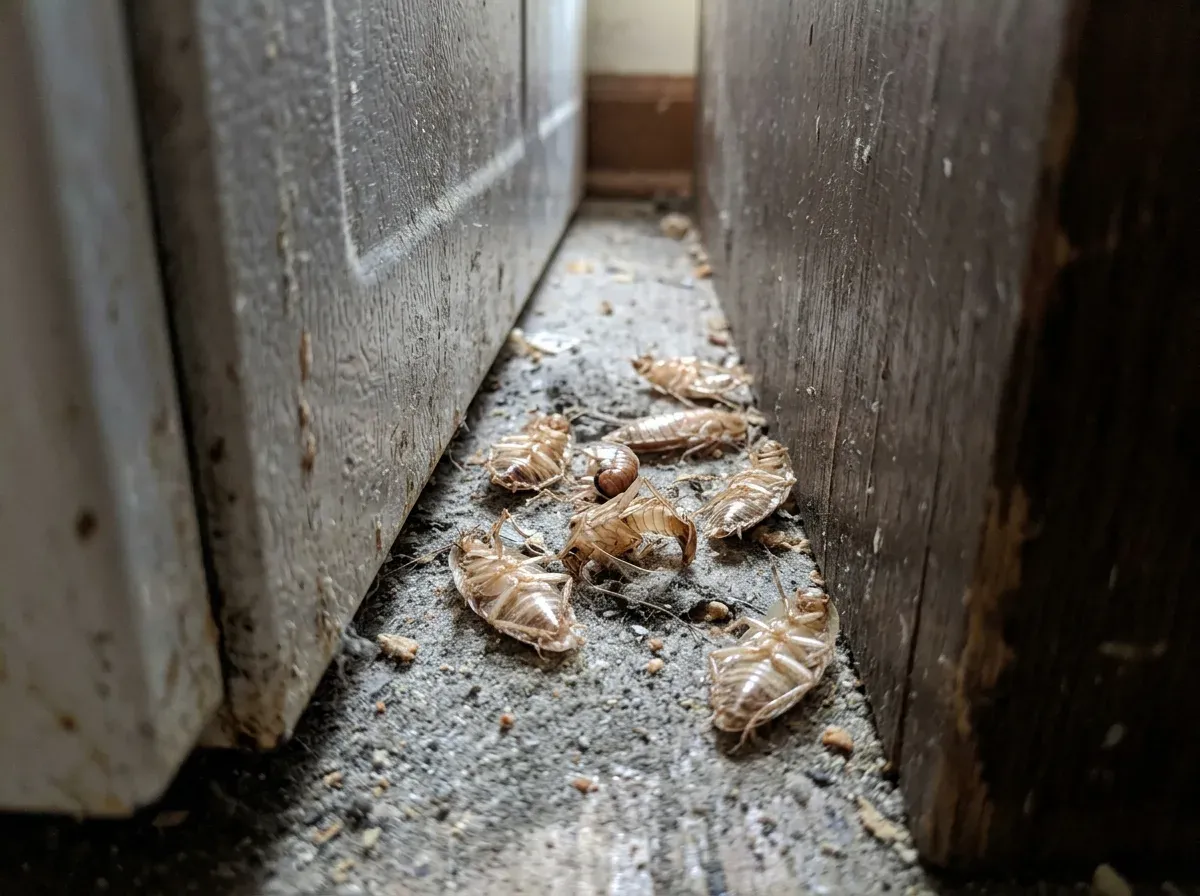
- Shed skins – nymphs moult several times as they develop; the moults accumulate right next to the hiding place.
- Odour – with heavy infestations, a distinctive sweetish, musty smell is noticeable, typically in enclosed, warm spaces.
Why surface treatment isn’t enough
The cockroach spends most of the day in structural cavities that surface spraying cannot reach. Surface treatment alone only reaches the individuals that come out, not the core of the population – which is why it appears to work briefly, and why the infestation returns.
ARZÉN Kft. therefore starts the intervention with a survey: where the hiding places are, where new individuals are coming from, and what food-safety restrictions apply in that zone. Treatment typically consists of targeted gelling of gaps, residual treatment of wall margins, and making the spaces behind equipment accessible, followed by a follow-up check two to three weeks later.
In a food-industry setting, monitoring is added to this: a network of numbered glue-board points whose catch data shows where the infestation is intensifying – and on an audit, this programme is the evidence that it works.
When to call a professional
If you see droppings or an individual moving around during the day; if the infestation appears in a kitchen or food-handling area; or if the problem returned within a few weeks of using an off-the-shelf product. The last of these usually means the hiding place was left untouched.