
Ticks: Identification & Removal

A tick does not fly or jump: it grabs onto a passing host from low vegetation – a blade of grass or a shrub branch, typically 20–80 cm above the ground. An attached tick should be removed as soon as possible, with tweezers, gripping as close to the skin's surface as possible, with a steady pull. In a garden, cutting back tall grass and leaf litter is the most effective way to reduce tick density.

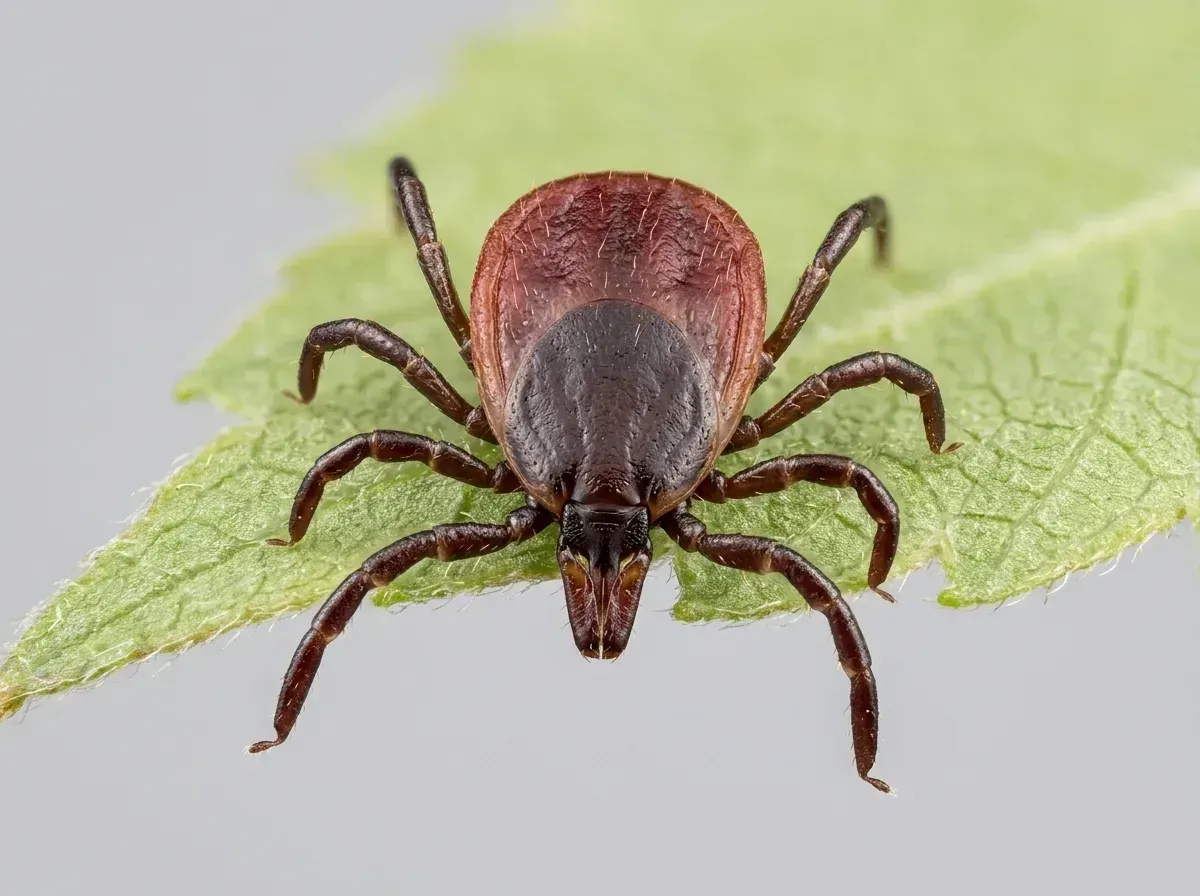
Ticks (Ixodes ricinus · Dermacentor reticulatus)
Ixodes ricinus · Dermacentor reticulatus

How to recognise it

Compare it with what you found. If you are not sure, send us a photo – a preliminary identification means we arrive with the right method from the start.

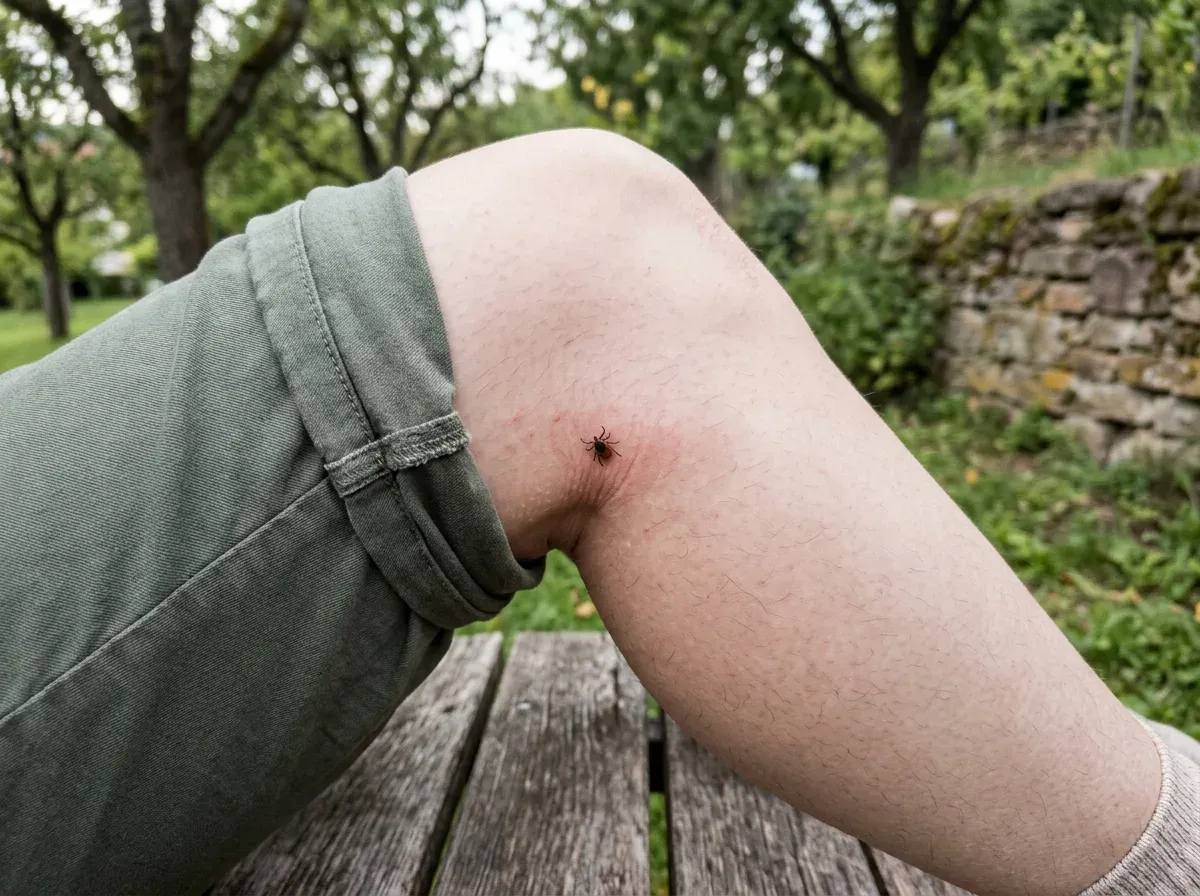
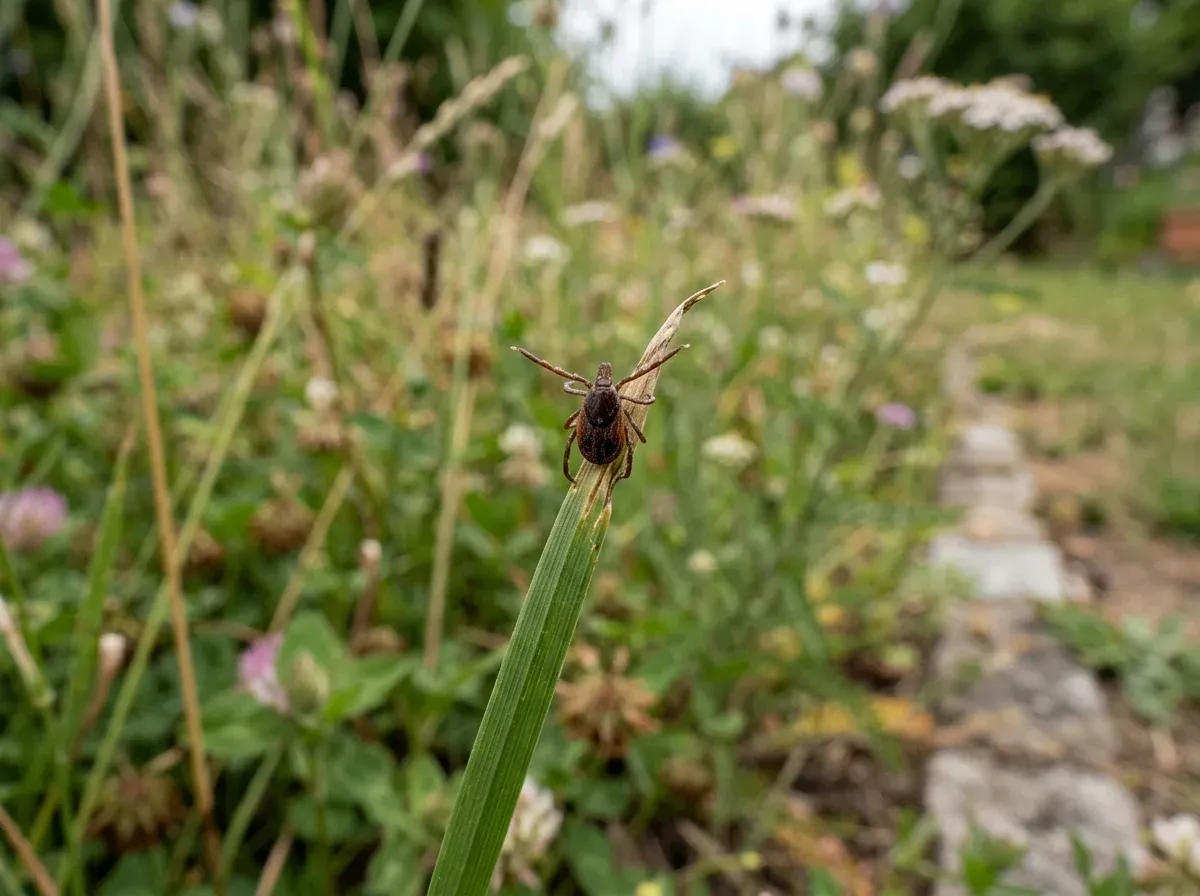
  1. A dark, lentil-sized spot on the skin, often in skin folds

    1A dark, lentil-sized spot on the skin, often in skin folds

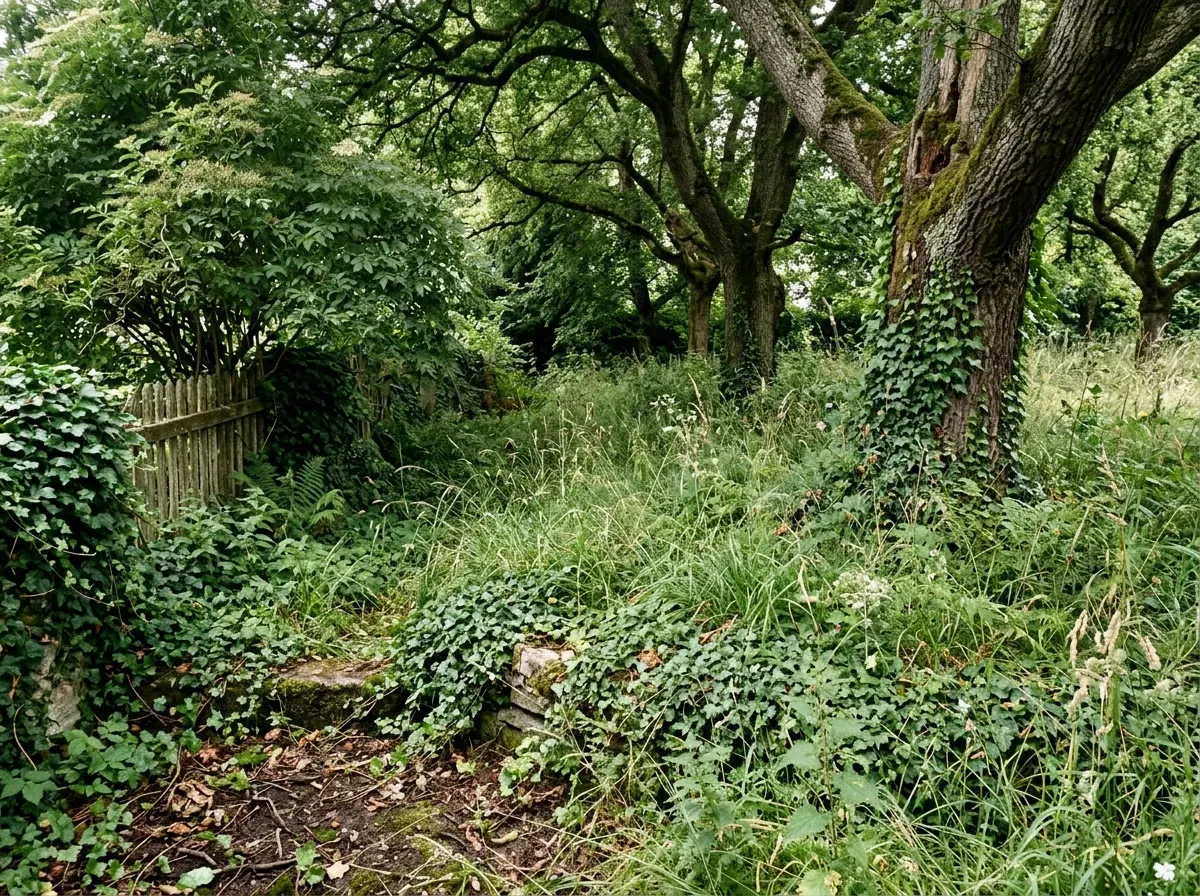
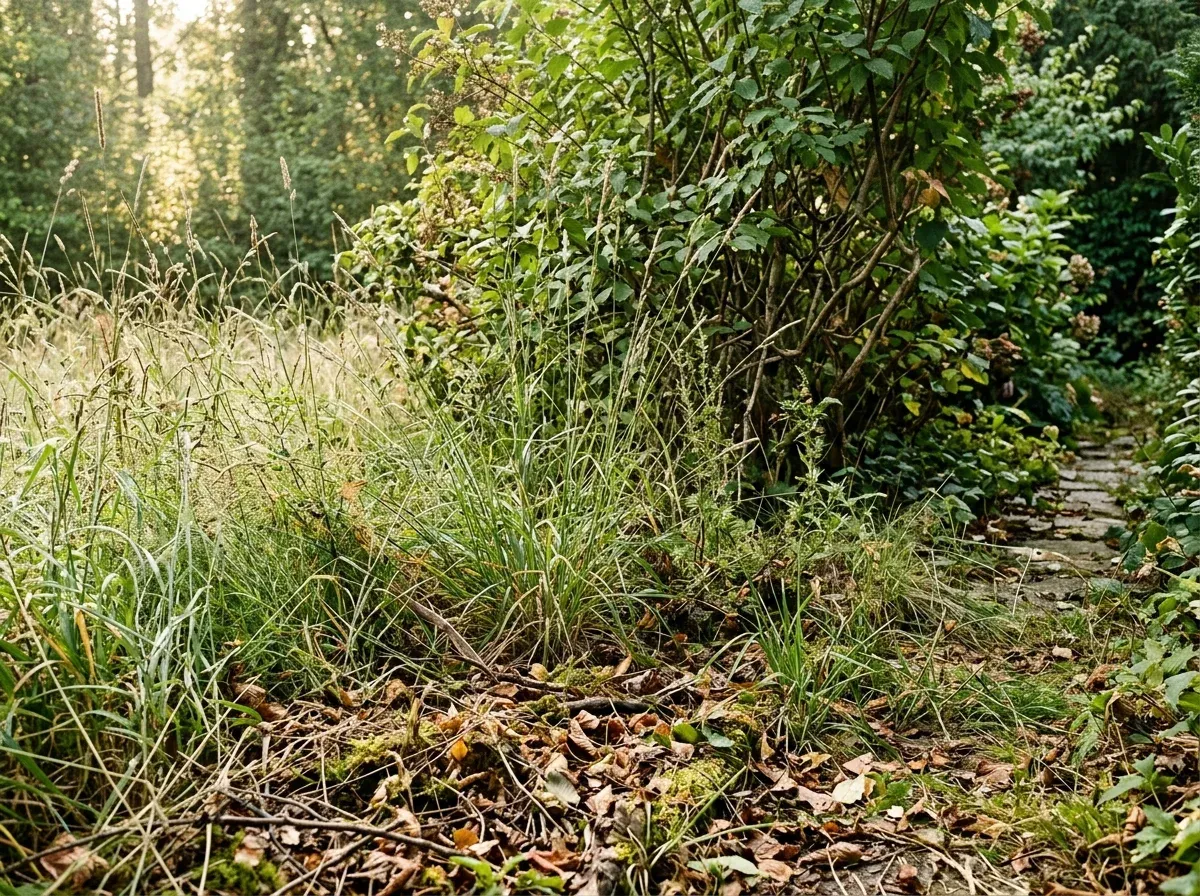
  2. Tall grass and leaf litter at the edge of the garden, in a shrubby transition strip

    2Tall grass and leaf litter at the edge of the garden, in a shrubby transition strip

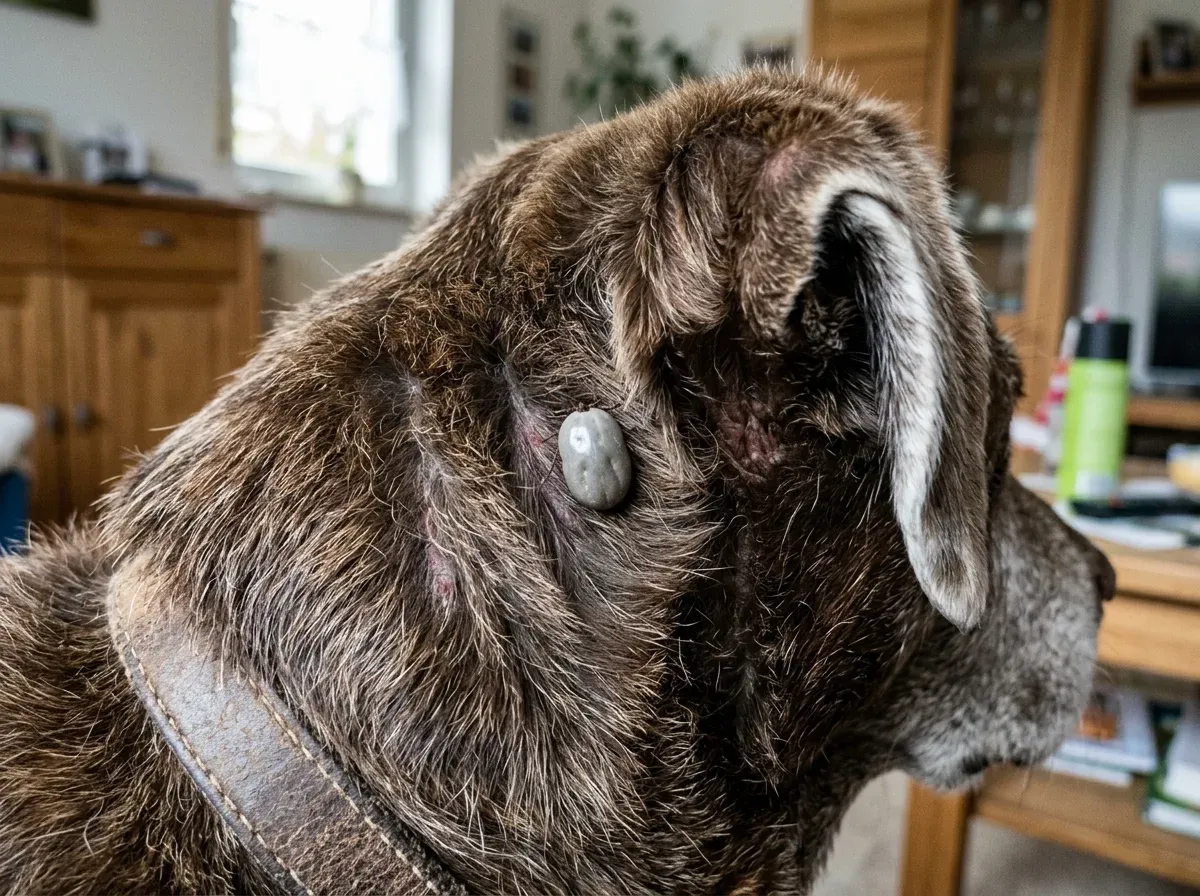
  3. Ticks regularly found on a dog or cat

    3Ticks regularly found on a dog or cat

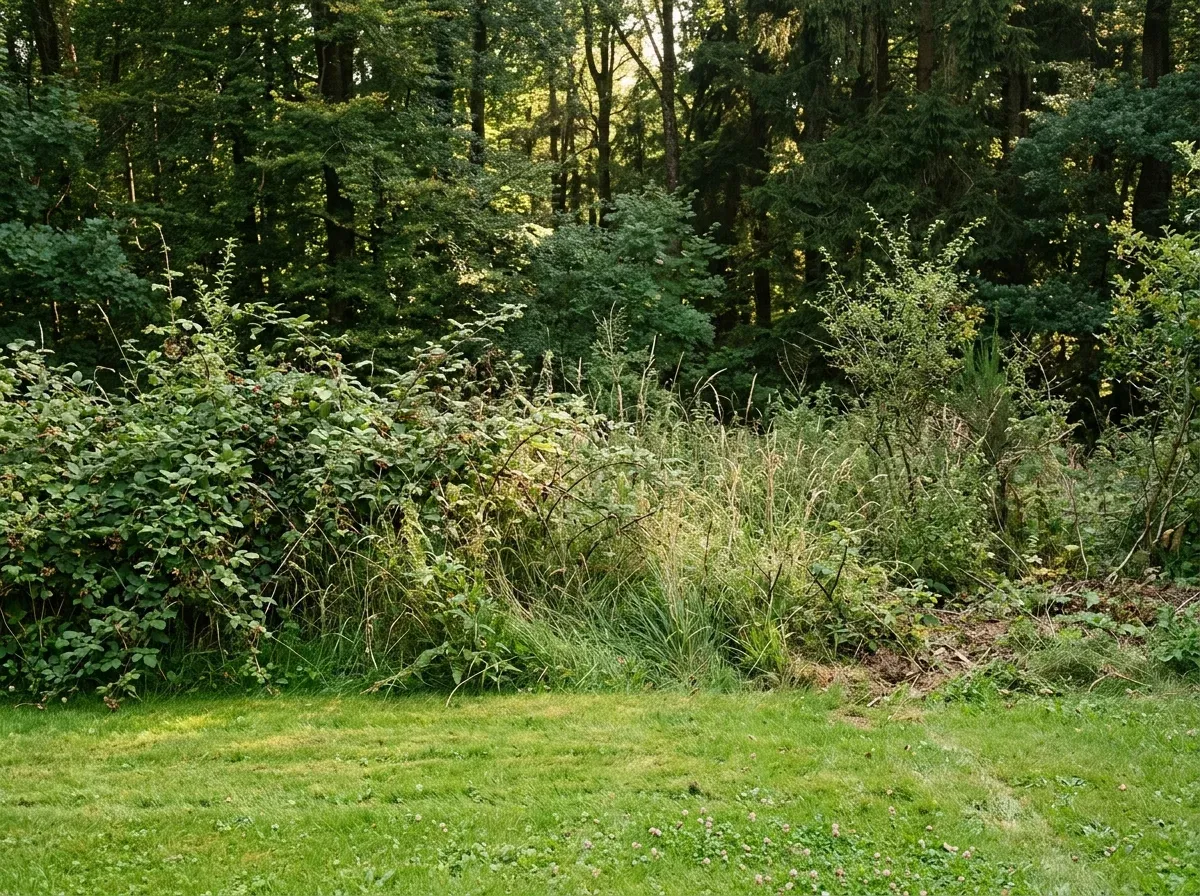
  4. A woodland edge, streamside, or a shaded, damp part of the garden

    4A woodland edge, streamside, or a shaded, damp part of the garden

Where you encounter it

A tick does not fly or jump, and it does not drop onto a person from a tree either. Its method is simple: it climbs a blade of grass or a low shrub branch, typically to a height of 20–80 cm, stretches out its front pair of legs, and waits for a host to pass by. This is called questing.

It follows from this where a person picks one up: in tall grass, in leaf litter, in a shrubby transition strip – that is, at the edge of the garden, on the boundary facing woodland or a streamside, and in unmowed, shaded, damp areas. Short, sunlit lawn is considerably less risky.

How to recognise it

An attached tick is a dark spot, lentil-sized at first, on the skin, which swells as it feeds. It is most often found in skin folds, on the scalp, behind the ear and along the waistline, because it seeks out thinner skin.

In a garden, the telltale sign is indirect: if you regularly find ticks on your dog or cat, some part of the garden is almost certainly a suitable habitat for it.

Proper removal

Grip it with tweezers, as close to the skin’s surface as possible, and pull it out with steady force. Do not squeeze or twist the tick’s body.

Do not use oil, nail polish, alcohol or heat. These cause the tick to empty its gut contents into the wound, which increases exactly the risk you’re trying to reduce by removing it. After removal, disinfect the bite site and monitor it for a few weeks; see a doctor if any symptoms appear.

What can be done in a garden or green space

Eliminating ticks entirely is not a realistic goal, because new ticks keep arriving from the surroundings and from wild host animals. Density can, however, be meaningfully reduced, and the order matters here:

  1. Regular mowing, especially in the parts of the area that are actually used.
  2. Removing leaf litter and cut plant material – not piling it at the edge of the garden, because that creates exactly the ideal habitat.
  3. Maintaining the transition strip bordering woodland, shrubs or a streamside; this is the few-metre-wide strip that most ticks come from.
  4. After these, as a supplement, targeted treatment of the transition strip.

This order cannot be reversed: treating an unkempt, overgrown area on its own achieves only a temporary result, because the habitat itself remains unchanged.

In municipal green spaces, institutional grounds and industrial recreation areas, ARZÉN Kft. carries out treatment in line with the mowing schedule, and documents the intervention.
Where it hides, where it comes from

Treatment starts where the animal actually is – these are the first places we check during the survey.

  • Tall grass and leaf litter at the edge of the garden – waiting at 20–80 cm height

    Tall grass and leaf litter at the edge of the garden – waiting at 20–80 cm height

  • A shrubby transition strip bordering woodland or a streamside

    A shrubby transition strip bordering woodland or a streamside

  • A shaded, damp, rarely mowed part of the garden

    A shaded, damp, rarely mowed part of the garden

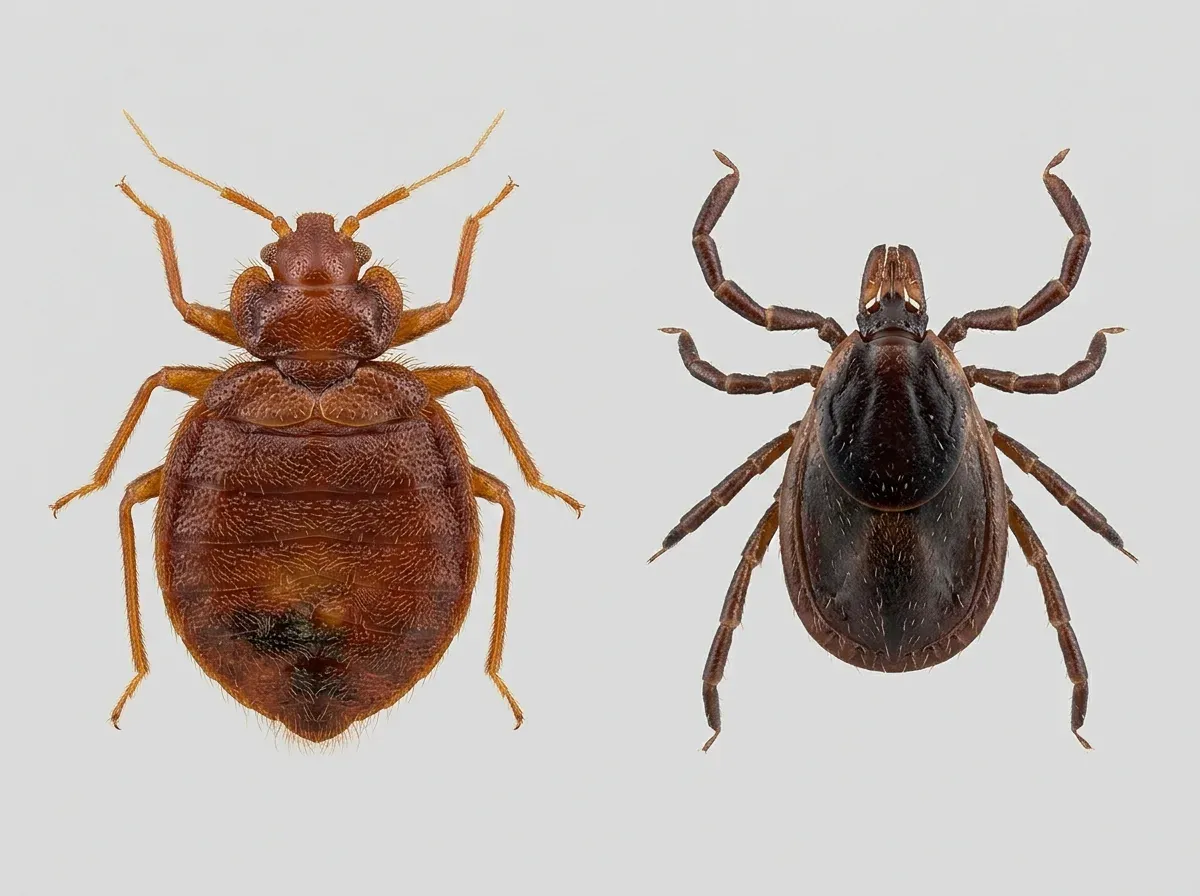
Bed Bug or Tick?

Two similar species in one photo, at the same scale. The difference is not only the name: the two need different treatments.

Bed bug and tick side by side, at the same scale
Left: Bed Bug · Right: Tick

Bed BugLearn more →

  • Insect: six legs, two antennae
  • 5 mm, flat, oval, reddish-brown
  • Hides around the bed: mattress seams, gaps in the slats
  • Bites at night then retreats; bites are often in a row

Tick

  • Arachnid: eight legs, no antennae
  • A dark shield at the front; the body swells to several times its size while feeding
  • Gets onto the skin from the garden, from tall grass
  • Stays attached for days; typically only a single individual attaches

Whatever grips into the skin and doesn't let go is a tick; whatever hides around the bed and leaves only its traces is a bed bug. The sure sign is the number of legs: six versus eight.

Frequently asked questions

How should a tick be removed?

With tweezers, gripping as close to the skin's surface as possible, pulling with steady force. Do not twist or squeeze the tick's body. Do not use oil, nail polish or heat: these cause the tick to empty its gut contents into the wound, which actually increases the risk of infection. After removal, disinfect the bite site and monitor it for a few weeks.

How long does it take to transmit infection?

The longer it feeds on blood, the greater the chance of pathogen transmission, so elapsed time is the most important factor. That's why it's worth checking your skin after every day spent outdoors – especially skin folds, the scalp and the waistline, where a tick most readily attaches.

Can ticks be eliminated from a garden entirely?

Not completely, because new ticks keep arriving from the surrounding green space and from wild host animals. Density can, however, be meaningfully reduced: regular mowing, removing leaf litter and cut plant material, and maintaining the transition strip bordering woodland or shrubs are the most effective measures. Targeted treatment of the transition strip can be added on top.

Do you carry out treatment of green spaces?

Yes. In municipal green spaces, institutional grounds, and industrial park and recreation areas, reducing tick density is a recurring task, typically coordinated with the mowing schedule. We document the intervention.

More from us