Bed Bugs: Identification & Bed Bug Control

Live bed bugs are rarely seen. The typical signs are shed skins, tiny dark droppings along mattress seams and bed frames, and a distinctive sweetish odour with heavy infestations. The species migrates through structural gaps into neighbouring rooms, so treatment can never be limited to the one room affected.

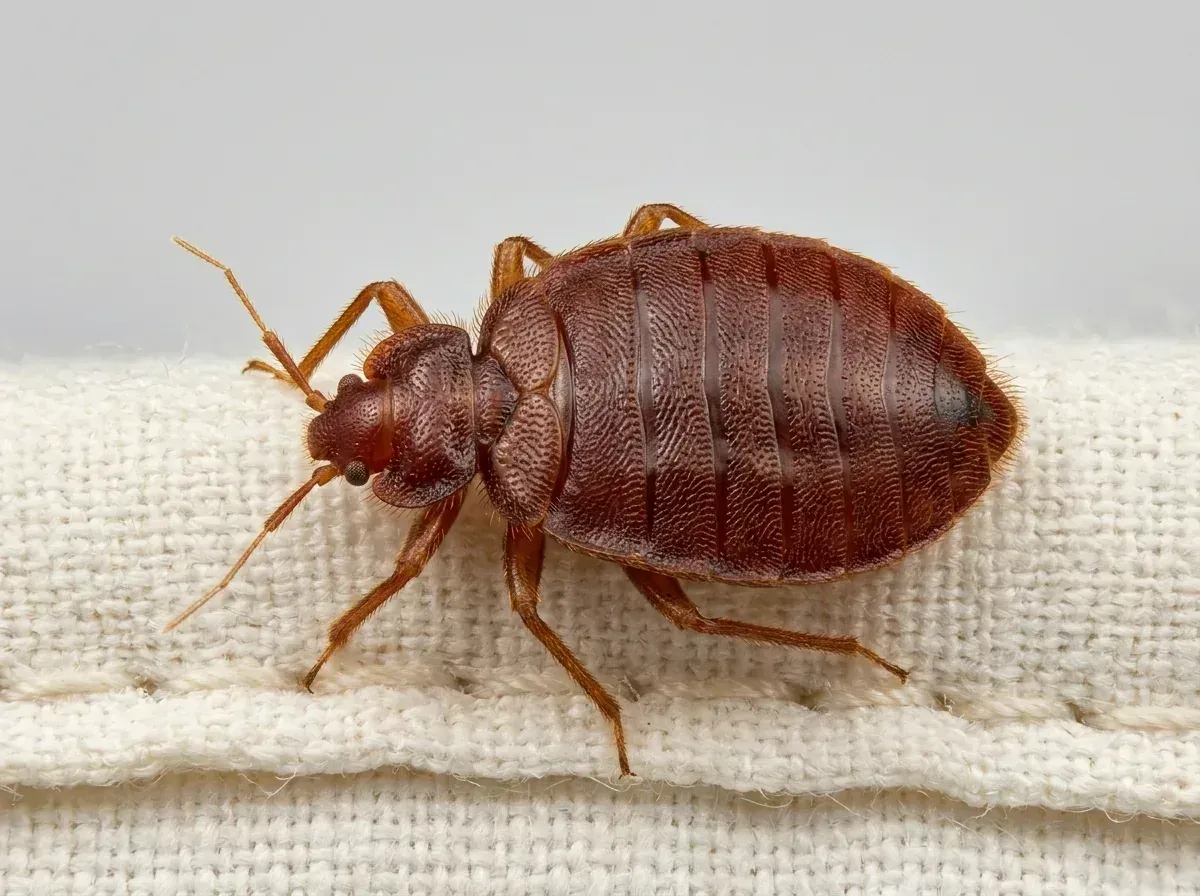
Bed Bugs (Cimex lectularius)
Cimex lectularius

How to recognise it

Compare it with what you found. If you are not sure, send us a photo – a preliminary identification means we arrive with the right method from the start.

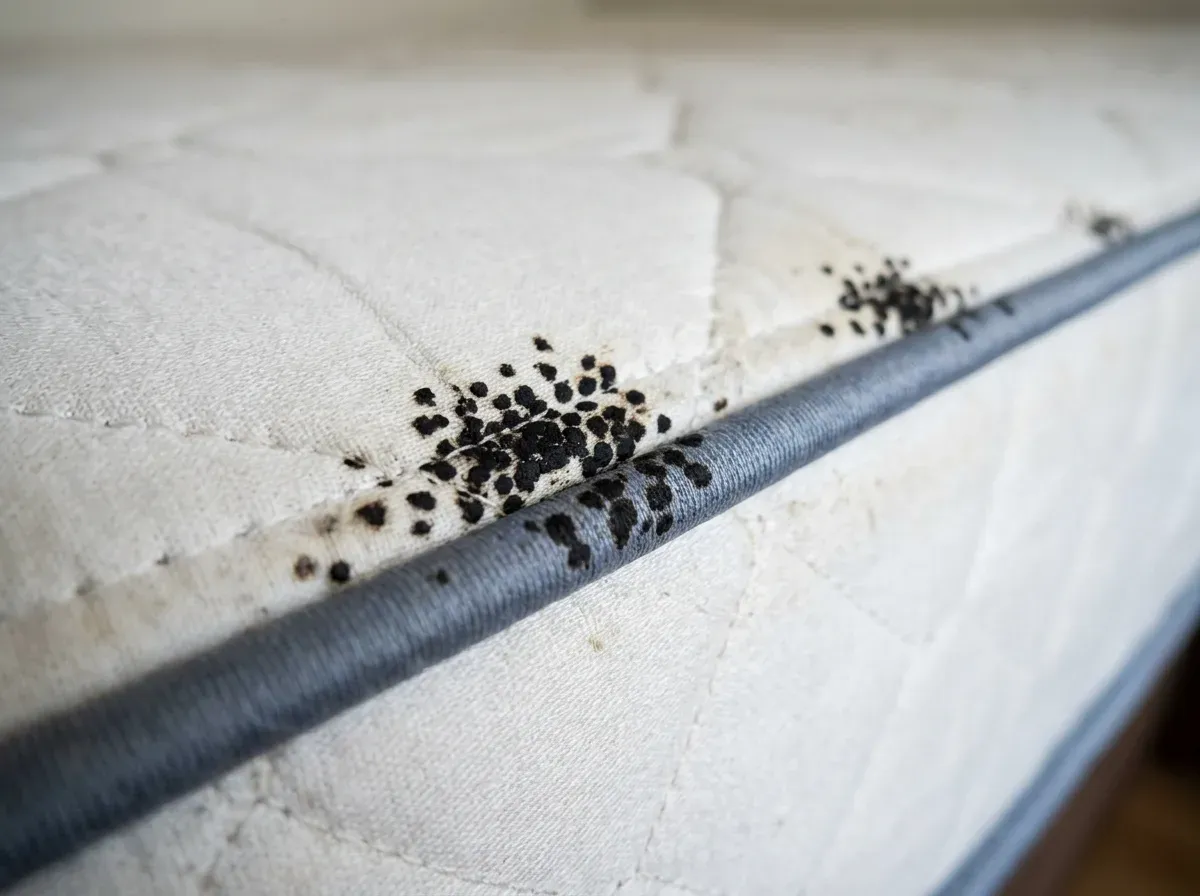
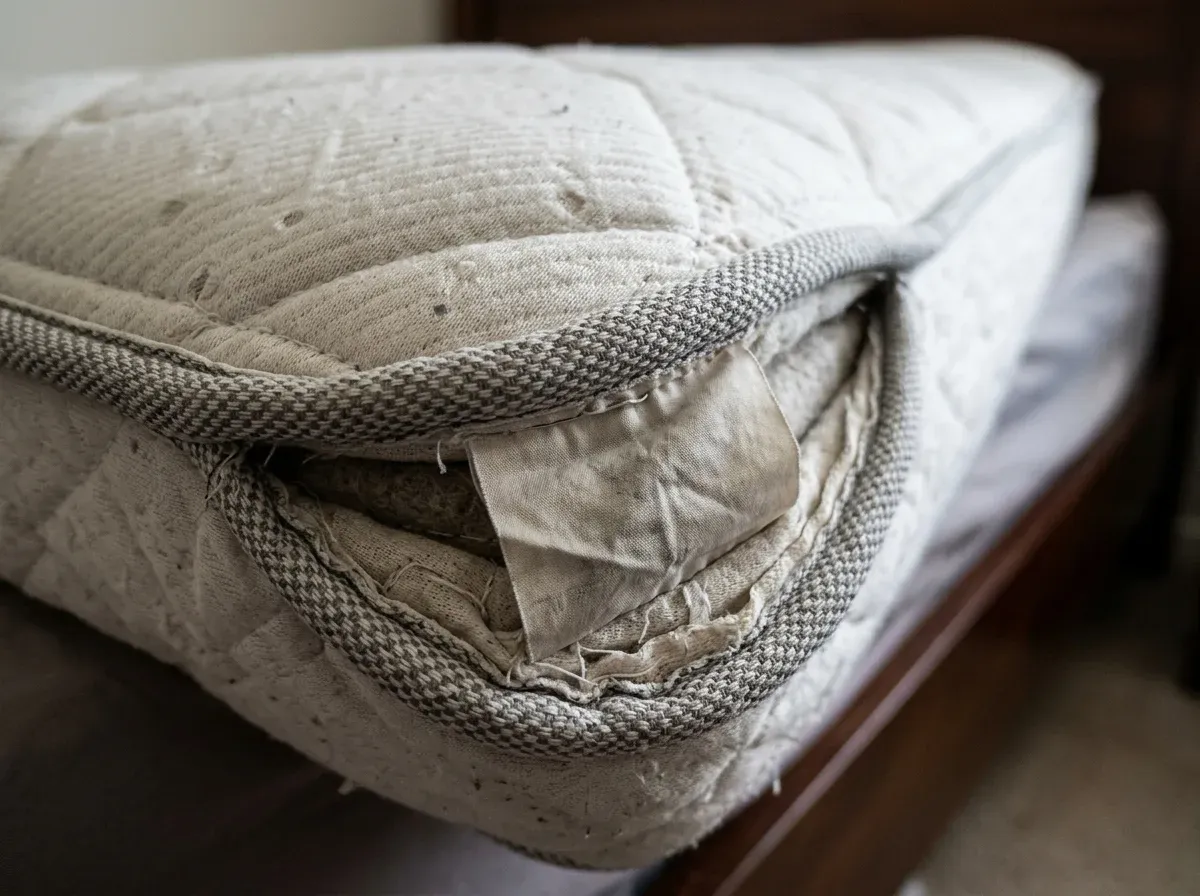
  1. Tiny dark droppings along mattress seams

    1Tiny dark droppings along mattress seams

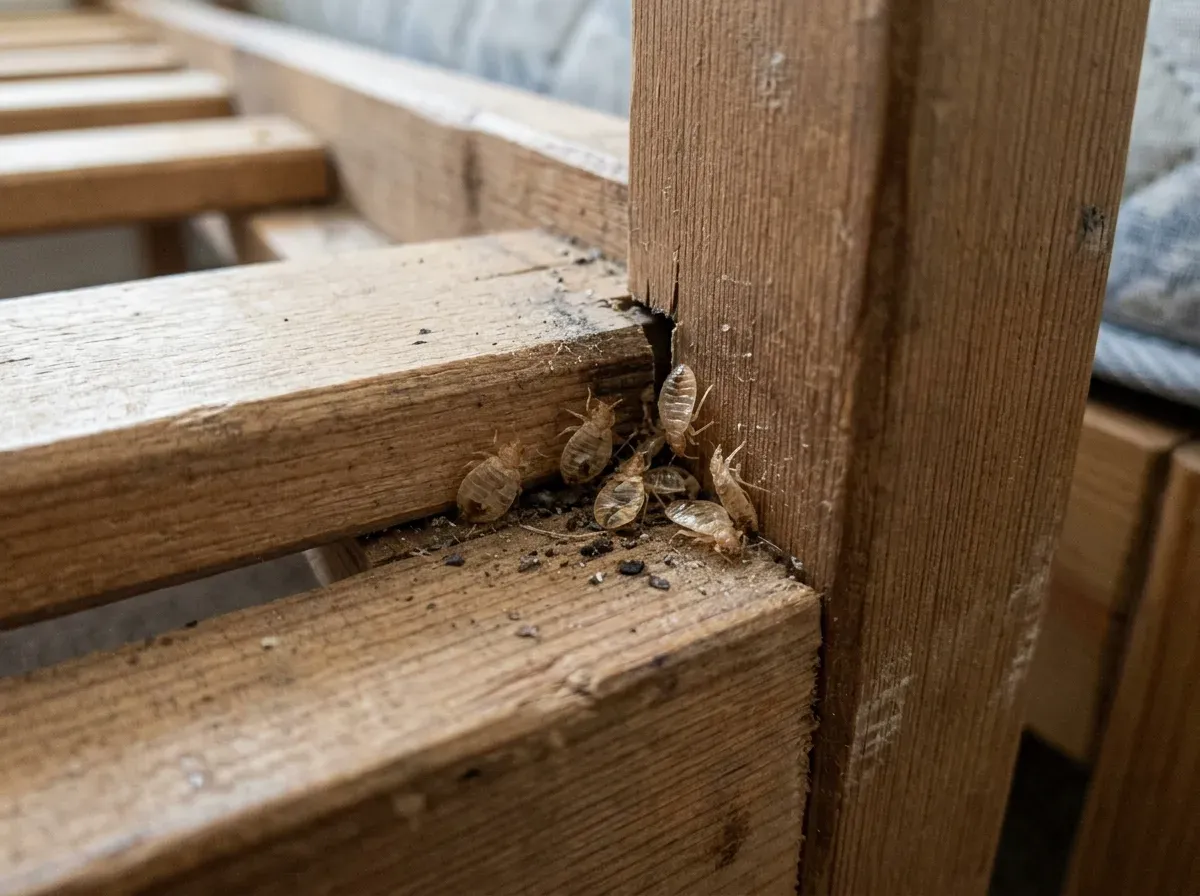
  2. Shed skins in the gaps of the bed frame and slats

    2Shed skins in the gaps of the bed frame and slats

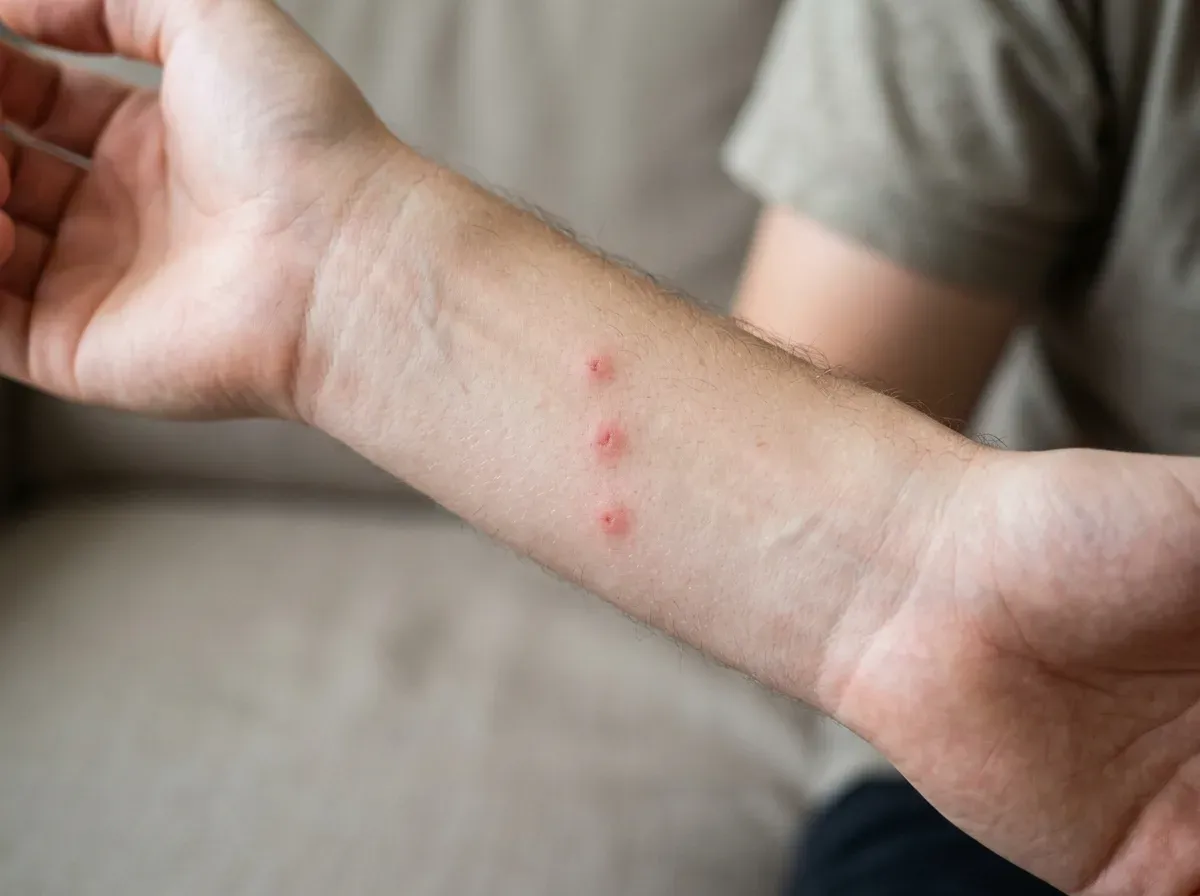
  3. Bite marks, typically in a row, on exposed skin

    3Bite marks, typically in a row, on exposed skin

  • Not a visible sign

    A sweetish odour with heavy infestations

Why it’s a difficult case

The bed bug lives hidden close to the sleeping area and feeds exclusively on blood. It is not attracted by poor hygiene: it can be carried in with a suitcase or used furniture, and it can also migrate in on its own, through structural gaps, from a neighbouring room. This makes it the most common difficult case in institutional and hotel settings.

Two things make treatment difficult. First, the species retreats into the smallest gaps – mattress seams, bed slats, the gap behind a skirting board – which surface treatment cannot reach. Second, the eggs are more resistant than the adults, so the generation that hatches after a single treatment can restart the population.

How to recognise it

  • Droppings – tiny, dark, ink-blot-like spots along mattress seams, the bed frame and the slats. This is the most reliable early sign.
  • Shed skins – pale, translucent moults near the hiding places; the nymph sheds its skin several times as it develops.
  • Bite marks – typically on exposed skin, often in a row. The reaction to a bite varies greatly from person to person, so it is not proof on its own: some people show no reaction at all.
  • Odour – a distinctive sweetish smell with a long-standing, heavy infestation.

What lasting elimination requires

Treatment starts with a survey to establish how far the infestation has spread, because that determines the extent of treatment. Targeted treatment of the gaps and hiding places follows, then – because of the eggs’ resistance – a follow-up check and, if needed, a repeat treatment.

In hotels and institutions, ARZÉN Kft. schedules treatment around operations, and issues a treatment report for every intervention. For a hotel, this is not a formality: it documents what was done and when, in case a guest complains later.

What you can do in the meantime

Do not start moving furniture or carrying textiles into other rooms – this is the most common way an infestation spreads. Washing and drying textiles at a high temperature is effective; throwing furniture away is usually unnecessary, and doing so alone will not solve the problem.
Where it hides, where it comes from

Treatment starts where the animal actually is – these are the first places we check during the survey.

  • Mattress seams and the gap under the mattress label

    Mattress seams and the gap under the mattress label

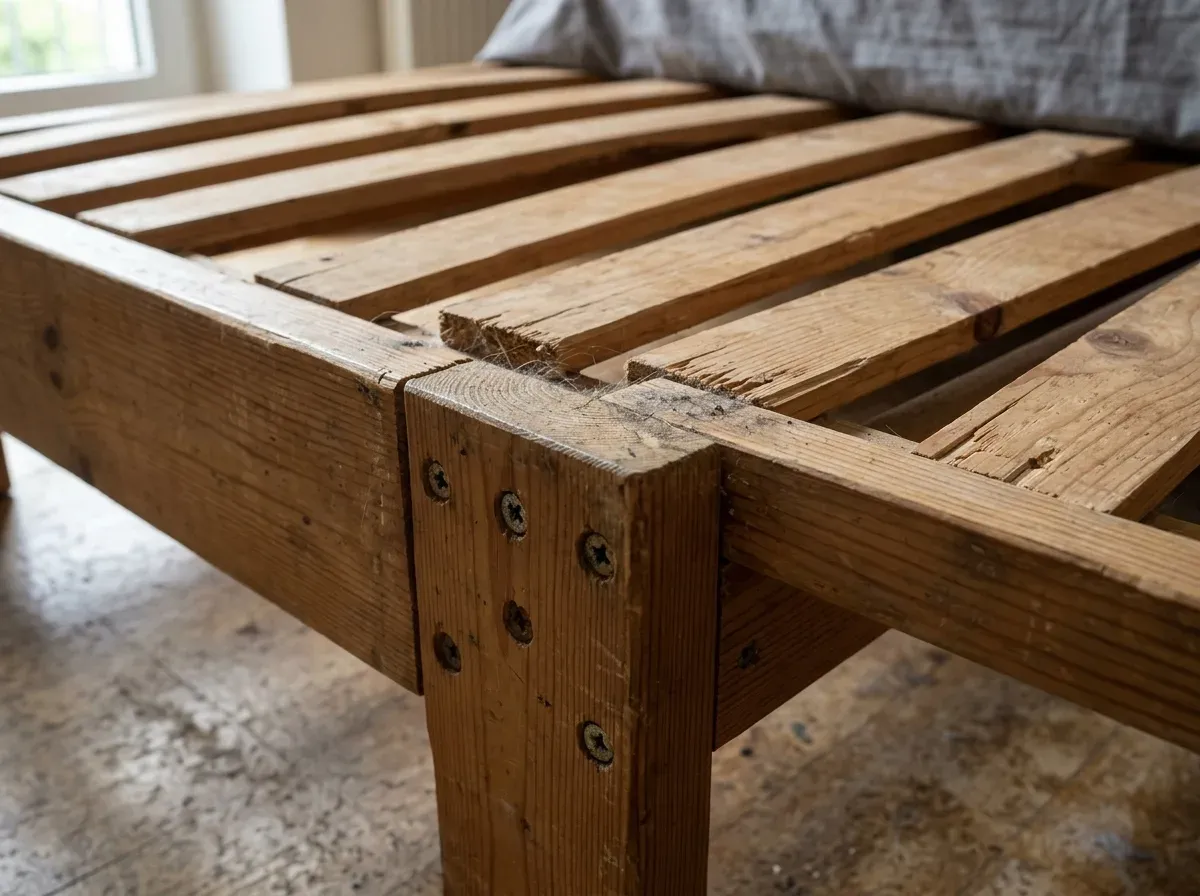
  • Bed frame and slat joints, screw holes

    Bed frame and slat joints, screw holes

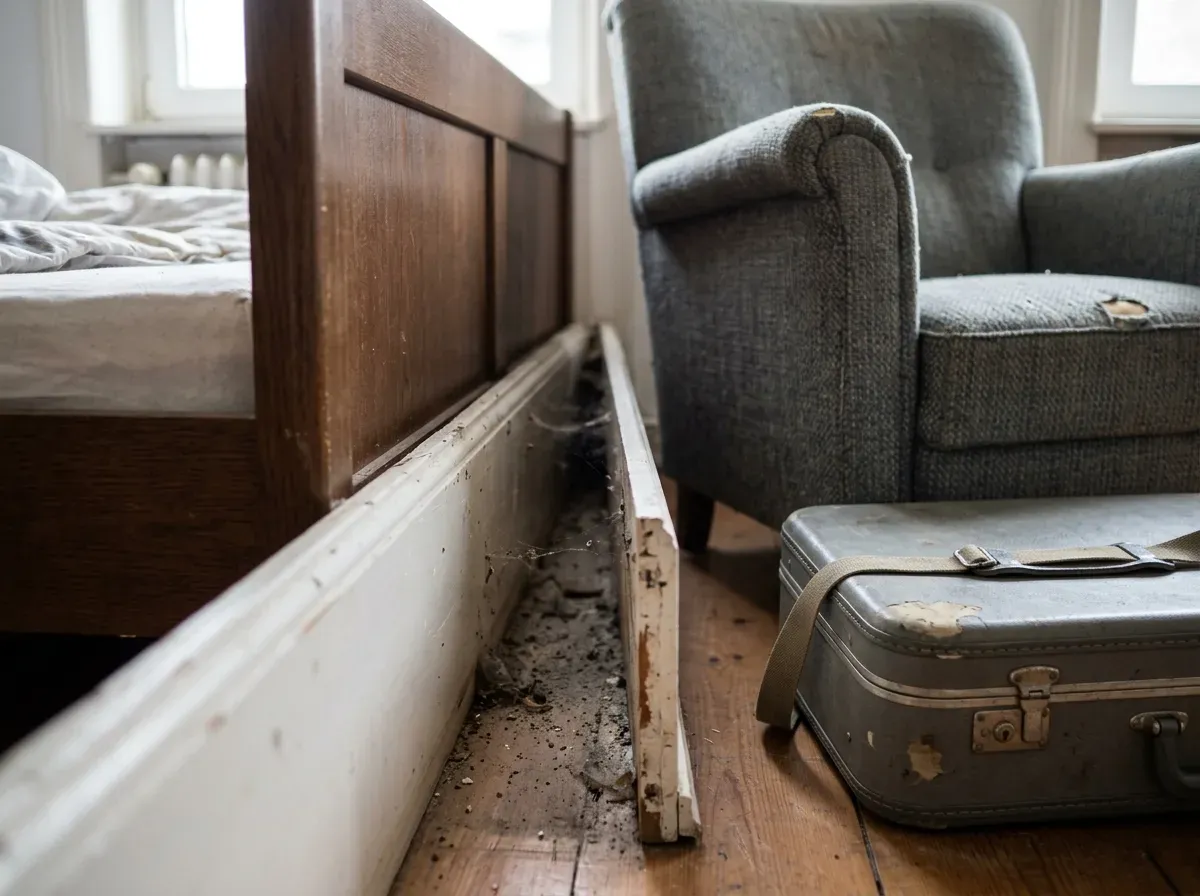
  • The gap behind the skirting board and the back of the headboard – where bed bugs carried in with a suitcase or used furniture retreat

    The gap behind the skirting board and the back of the headboard – where bed bugs carried in with a suitcase or used furniture retreat

Bed Bug or Tick?

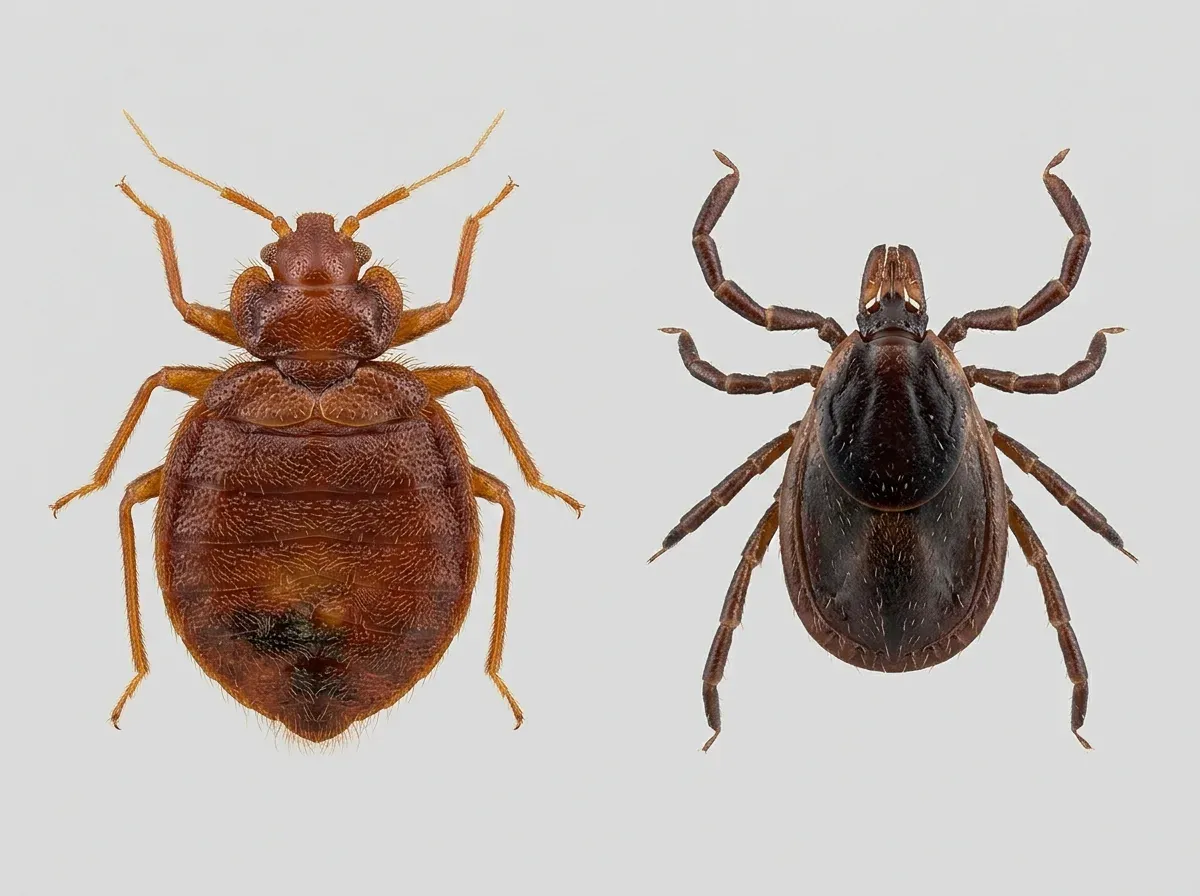
Two similar species in one photo, at the same scale. The difference is not only the name: the two need different treatments.

Bed bug and tick side by side, at the same scale
Left: Bed Bug · Right: Tick

Bed Bug

  • Insect: six legs, two antennae
  • 5 mm, flat, oval, reddish-brown
  • Hides around the bed: mattress seams, gaps in the slats
  • Bites at night then retreats; bites are often in a row

TickLearn more →

  • Arachnid: eight legs, no antennae
  • A dark shield at the front; the body swells to several times its size while feeding
  • Gets onto the skin from the garden, from tall grass
  • Stays attached for days; typically only a single individual attaches

Whatever grips into the skin and doesn't let go is a tick; whatever hides around the bed and leaves only its traces is a bed bug. The sure sign is the number of legs: six versus eight.

Frequently asked questions

How much does bed bug control cost?

We do not publish a list price or price range, because the fee depends materially on the site, the floor area, the extent of the infestation, accessibility, and how quickly action is needed. A public price without those factors would be misleading. We prepare each quote individually based on your enquiry and send it by email, as a priority if the case is urgent.

Where should I look for signs?

In the mattress seams and under their tags, in the gaps of the bed frame and slats, on the back of the nightstand next to the bed, behind the skirting board, and around wall sockets. Bed bugs stay within a few metres of the sleeping area, but migrate through gaps into neighbouring rooms as well.

Is it enough to treat the infested room?

No. The species passes through structural gaps, behind skirting boards and through utility penetrations into neighbouring rooms, so treatment always has to include the surrounding spaces. In a hotel this typically means the adjacent rooms as well as the ones above and below.

As a hotel, how do we handle this discreetly?

We also work with unmarked vehicles and inconspicuous work clothing, and we schedule treatment around occupancy so it goes unnoticed by guests. We issue a report for every treatment, which documents the work carried out in case a guest complains afterwards.

Do you also take this on in an apartment building?

In an apartment building we can act through the building manager or the operator, covering the affected flats – because bed bugs move through structural gaps, and treating a single flat on its own does not produce a lasting result. For a house, we also contract directly with the owner.

More from us