
It lives inside, it doesn’t just pass through
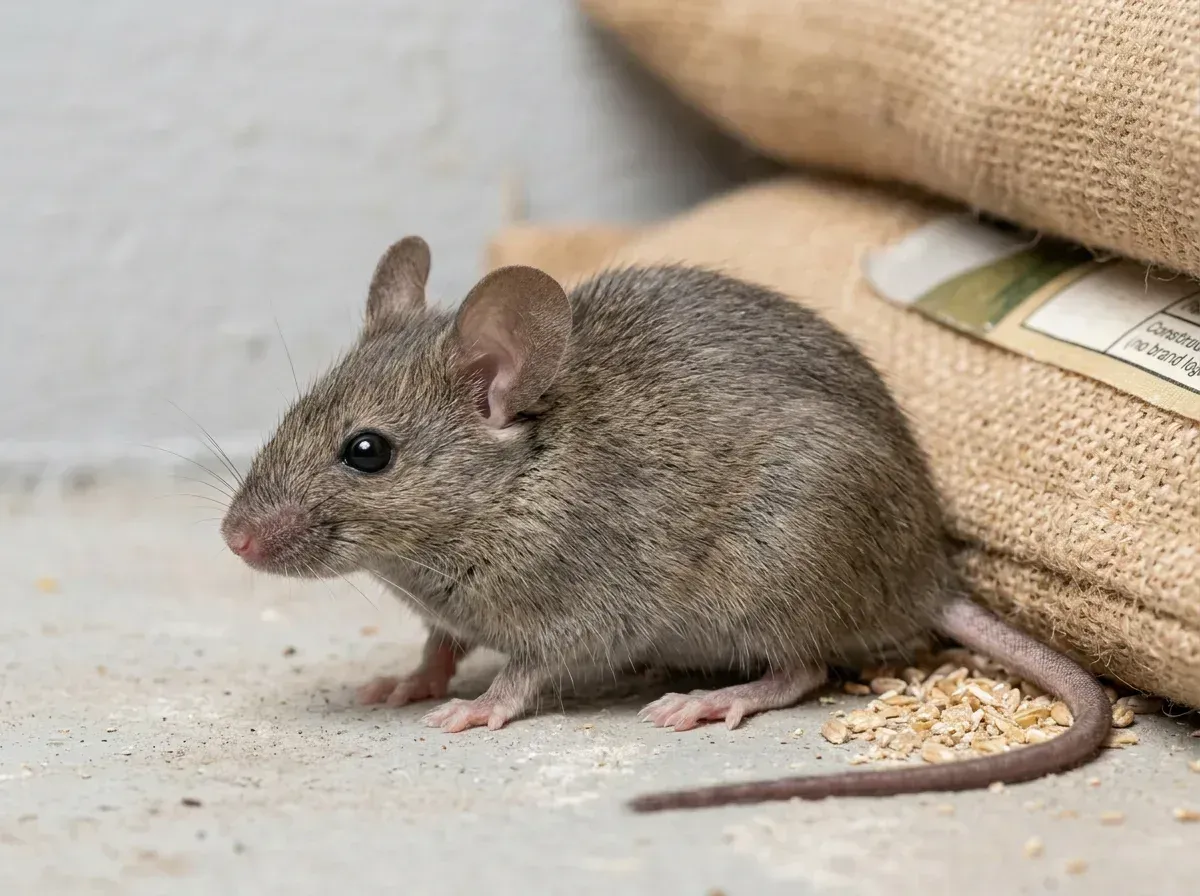
Unlike the rat, the house mouse often spends its entire life cycle inside a building: it nests there, feeds there, and its home range is typically a few metres around the nest. This has two consequences.
The first: perimeter control – the effective tool against the rat – will not catch it on its own. The point network has to sit indoors, densely spaced, matched to its home range.
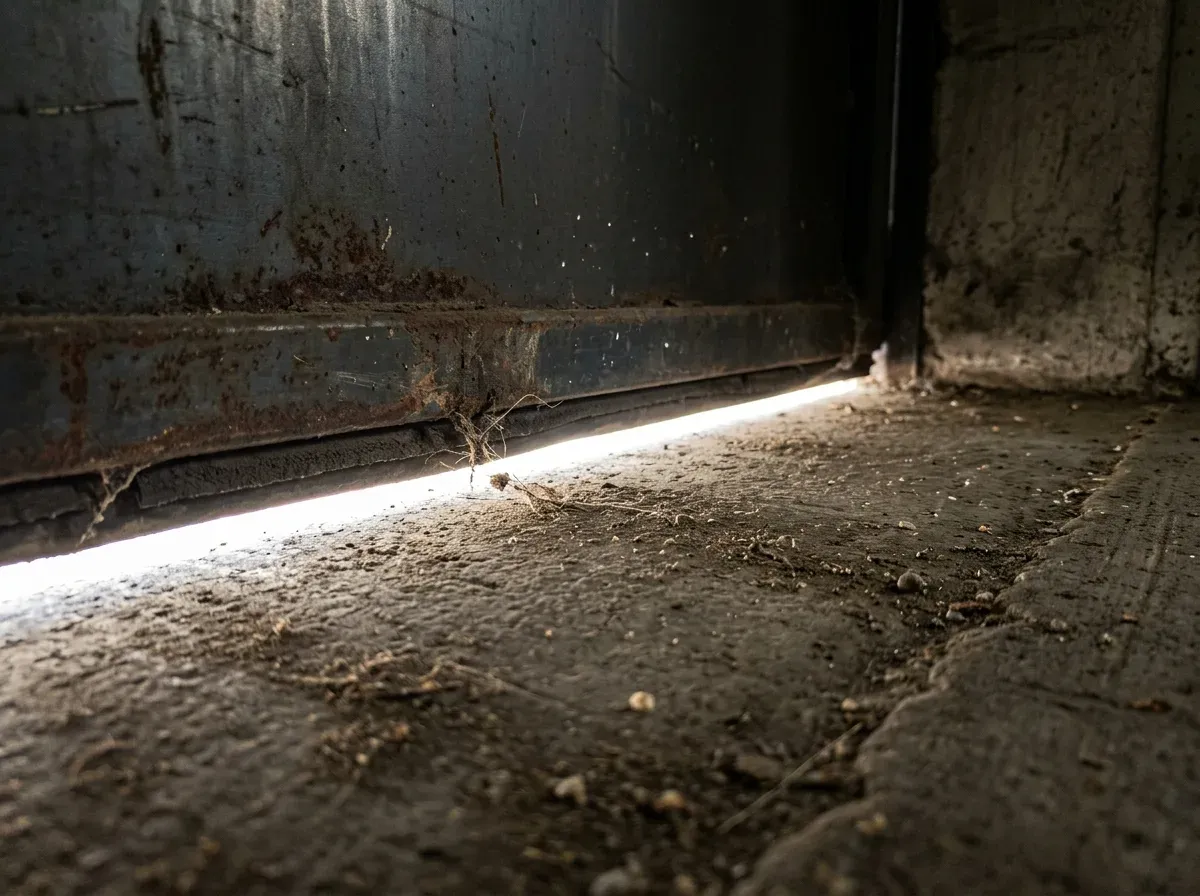
The second: sealing entry points matters a great deal. A mouse fits through a gap of just a few millimetres, and in most buildings these gaps are identifiable and can be sealed – utility penetrations, the gap under a door, ventilation grilles, cable entries.
How to recognise it
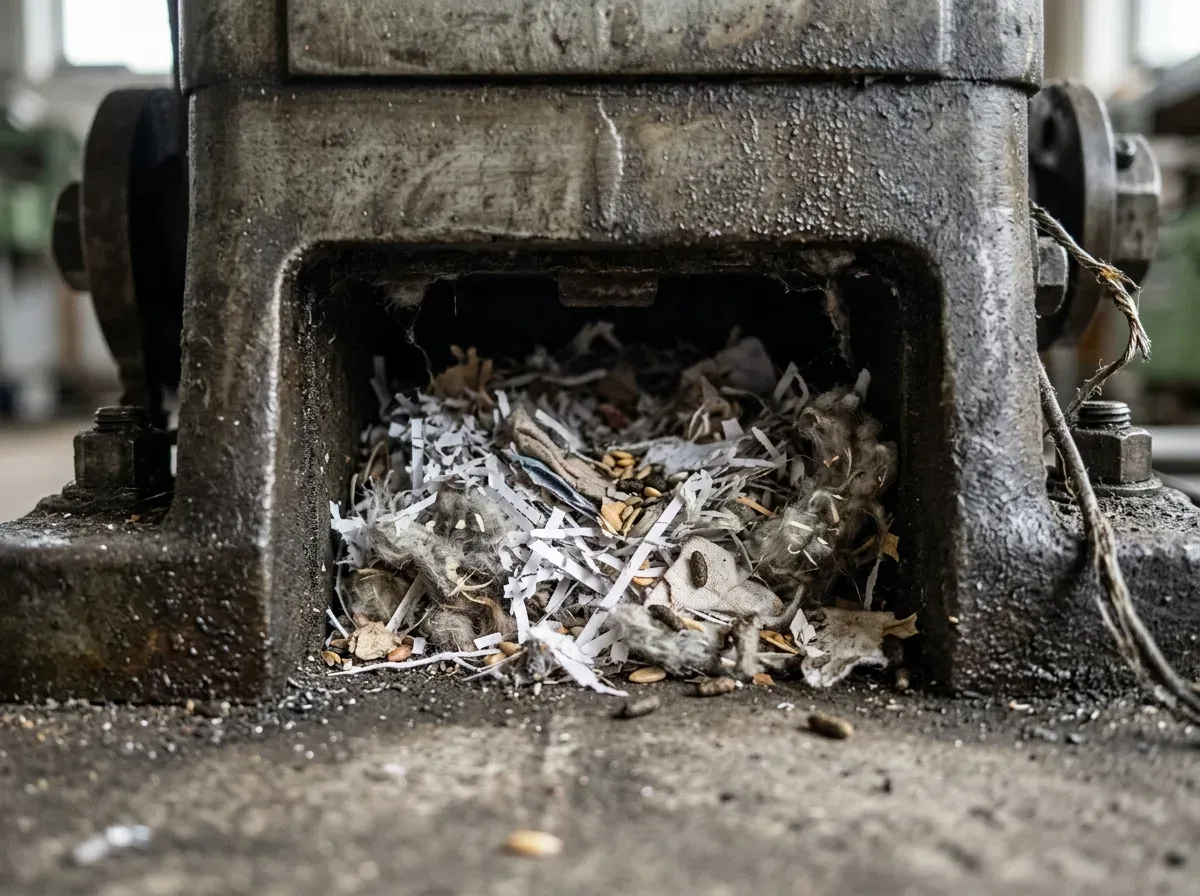
- Droppings – rice-grain-sized, dark, with a pointed end. This is the easiest way to tell a mouse apart from a rat: the rat’s droppings are much larger and blunt-ended.
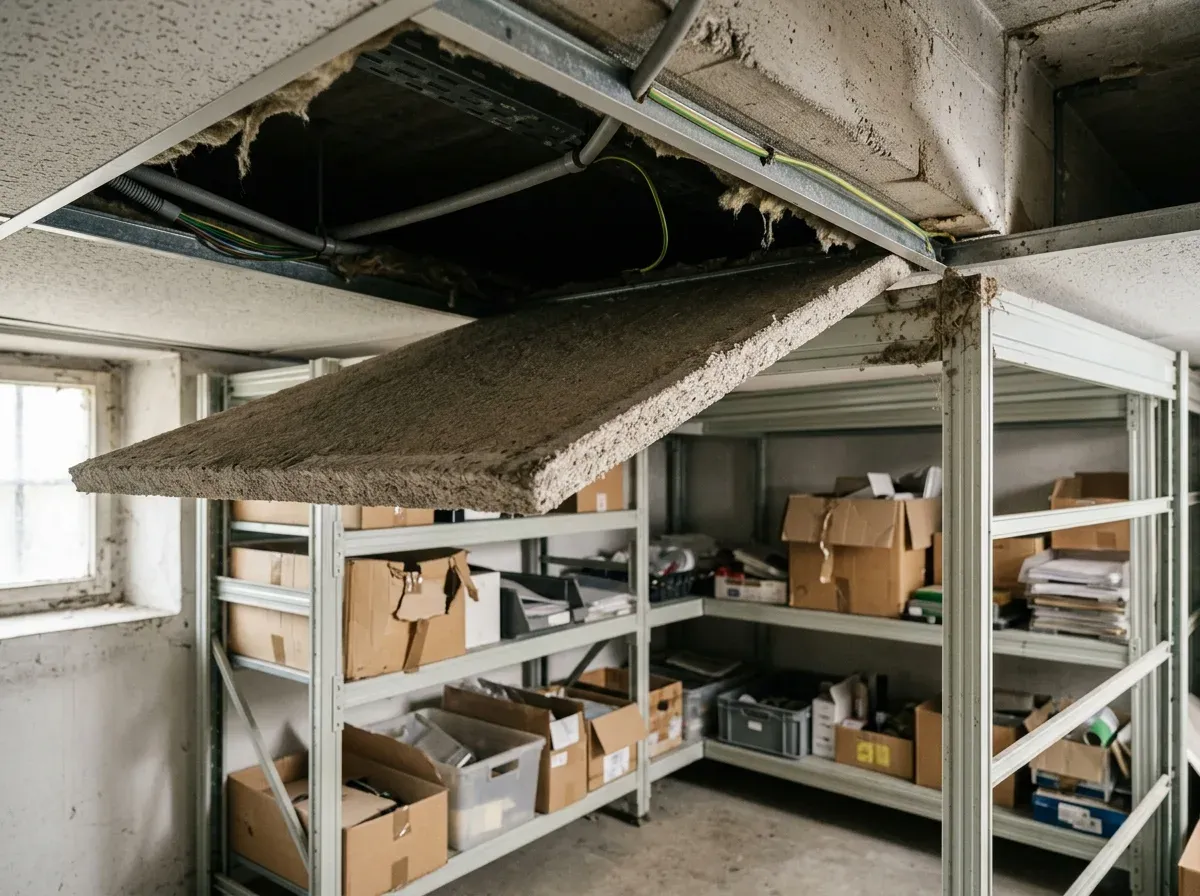
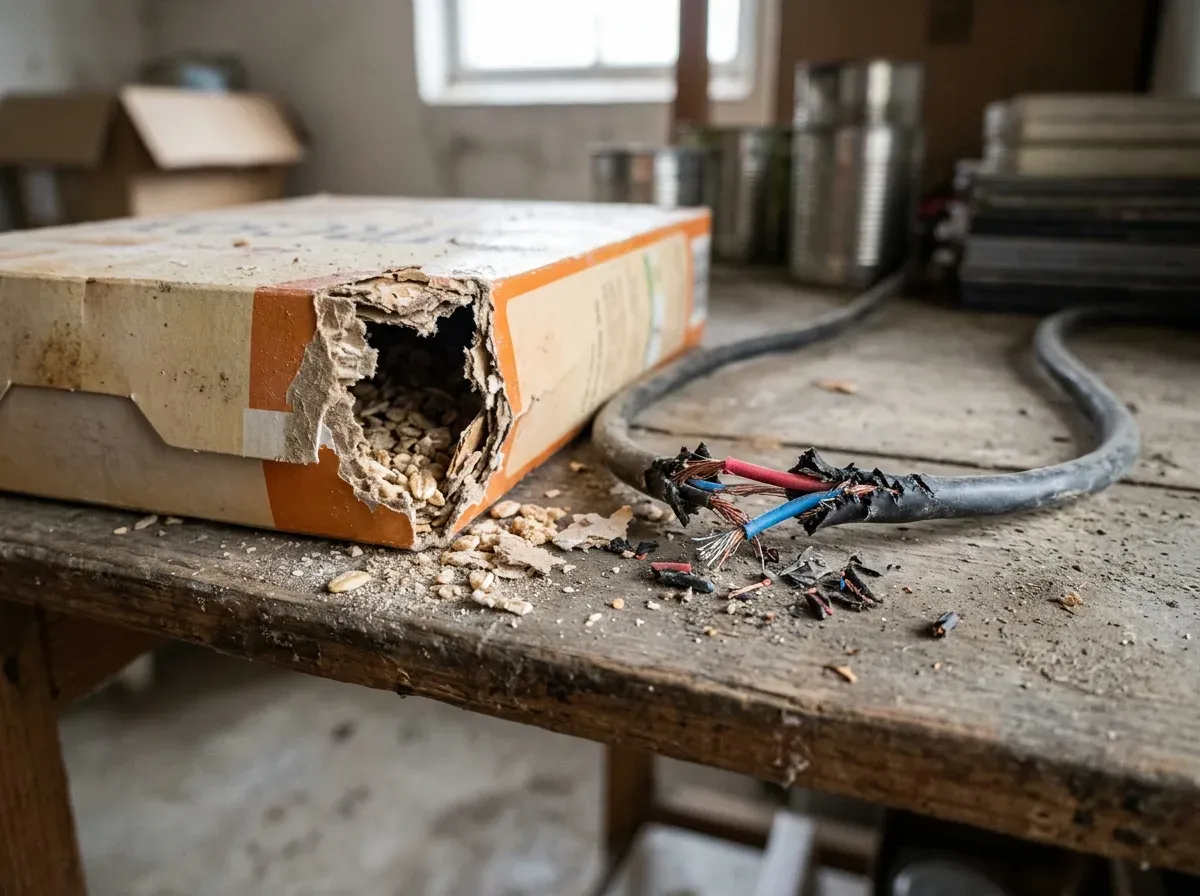
- Gnaw marks – on packaging, cables, insulation. The mouse gnaws continuously because its incisors keep growing throughout its life.
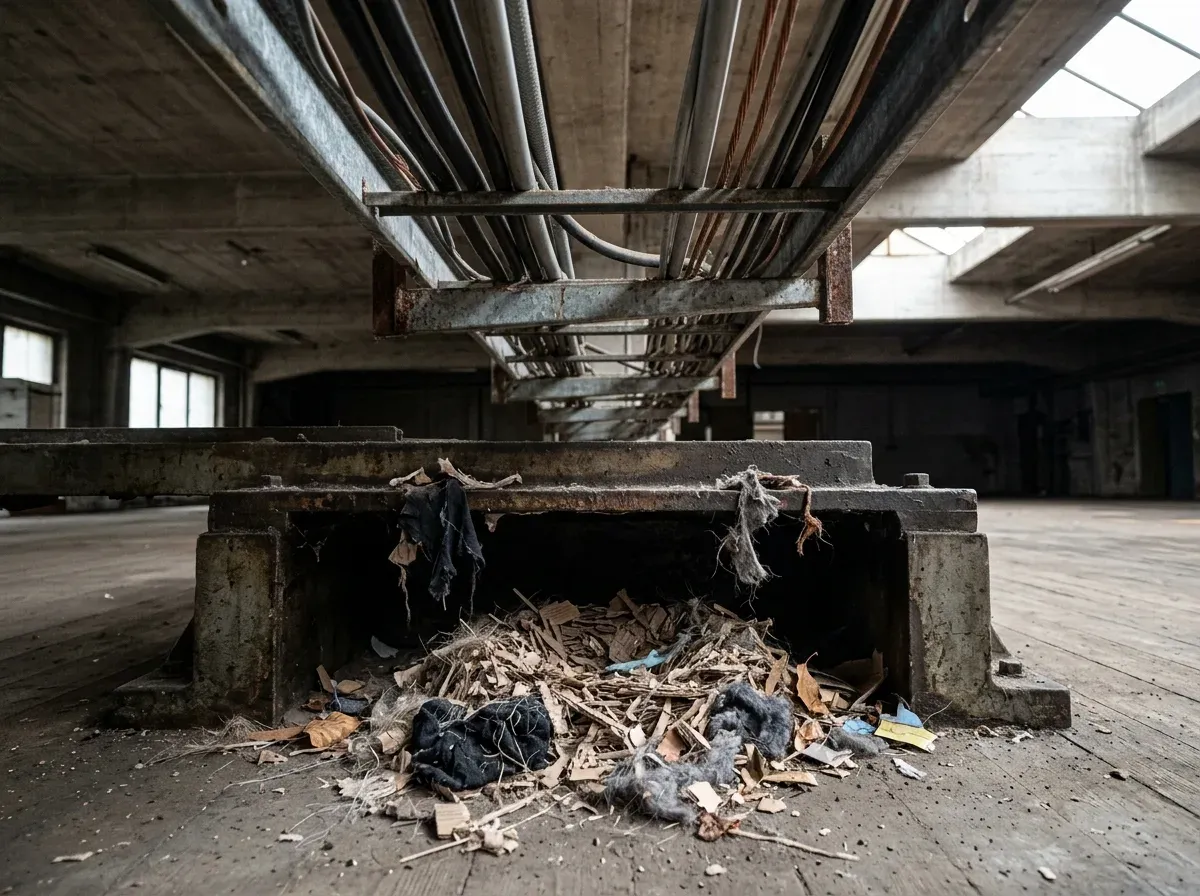
- Nesting material – finely shredded paper, textile and insulation in hidden spaces: under equipment bases, in suspended ceilings, between pallets.
- Noise – night-time scratching in a suspended ceiling or inside a wall structure.
In an industrial setting
Visual inspection is the weakest tool here: by the time a live mouse is seen, the population has already established itself. ARZÉN Kft. therefore relies on a permanent network of numbered monitoring points, which it checks on a schedule, and shows from the trend in catch data which zone is seeing increasing pest pressure.
Around food-contact surfaces and in high-risk zones, the use of toxic bait is typically not permitted – in these spaces we use mechanical traps and glue-board traps.
In a private home
For a house and garden, we also contract directly with the owner. The practical order is the same there too: first sealing entry points and removing food sources, then placing bait or traps. In the reverse order, treatment will have to start over.