Pest Control for Factories & Industry

In manufacturing plants, pest risk comes from large production halls, continuous material movement and extensive site areas. The programme is built on perimeter protection and zoned monitoring, with scheduled visits that do not disrupt production.

Manufacturing

Typical challenges

These are the situations that decide how the programme is built for your site – they are the first thing we look at during the survey.

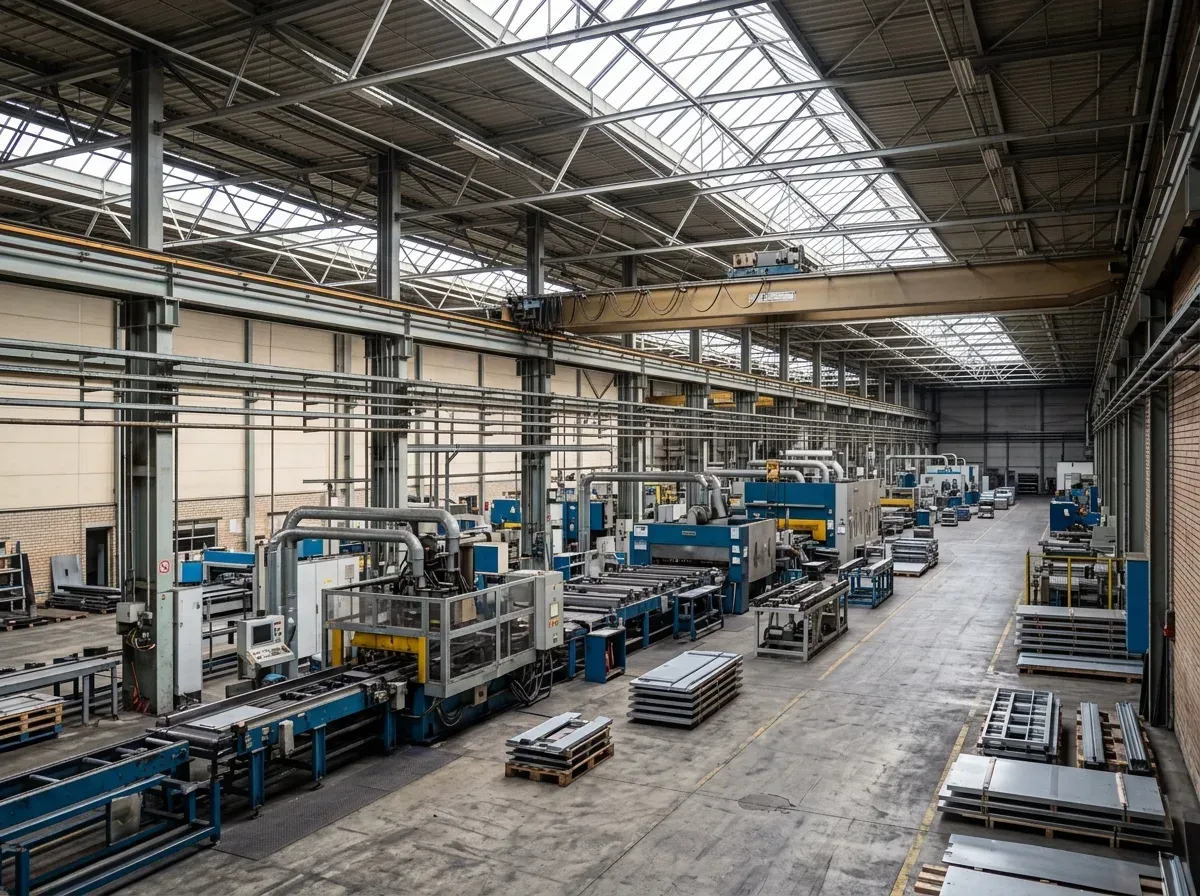
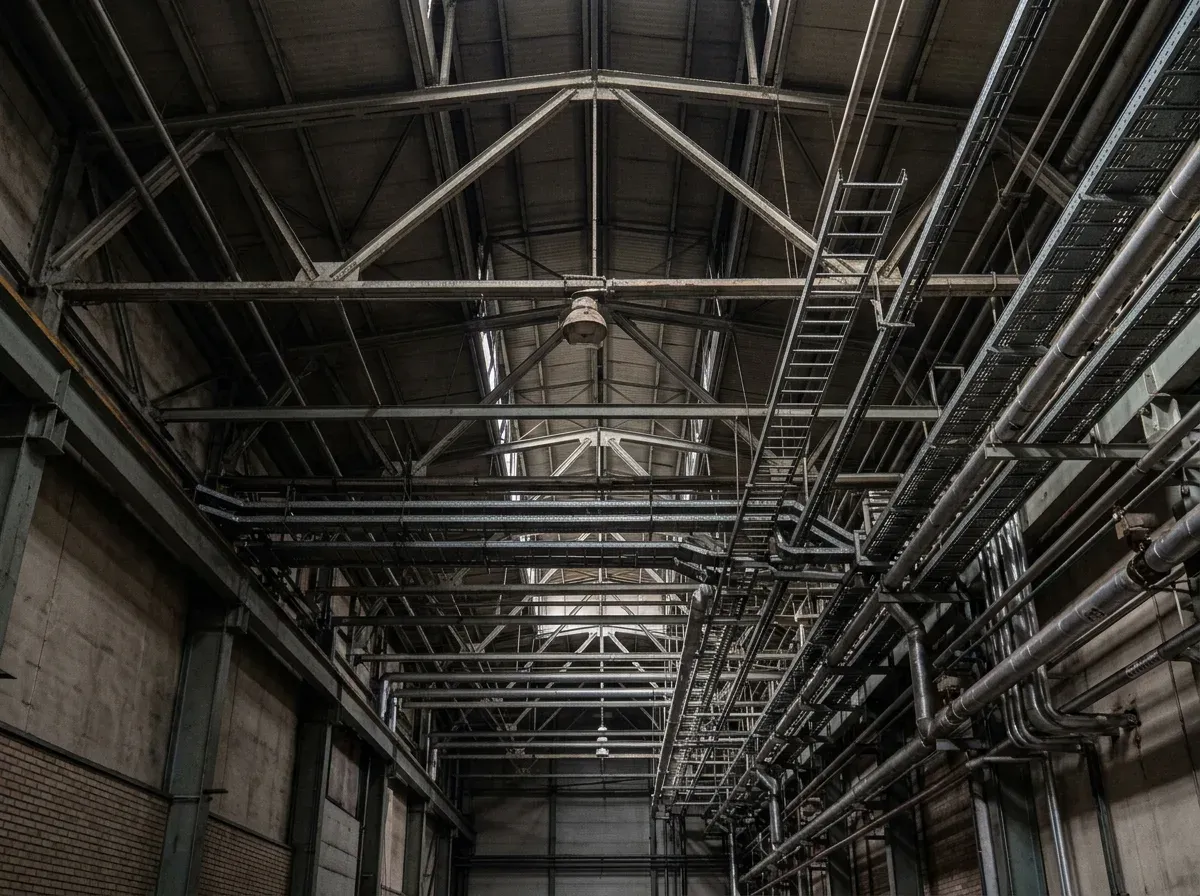
  1. Large-volume halls with complex, hard-to-survey structures

    1Large-volume halls with complex, hard-to-survey structures

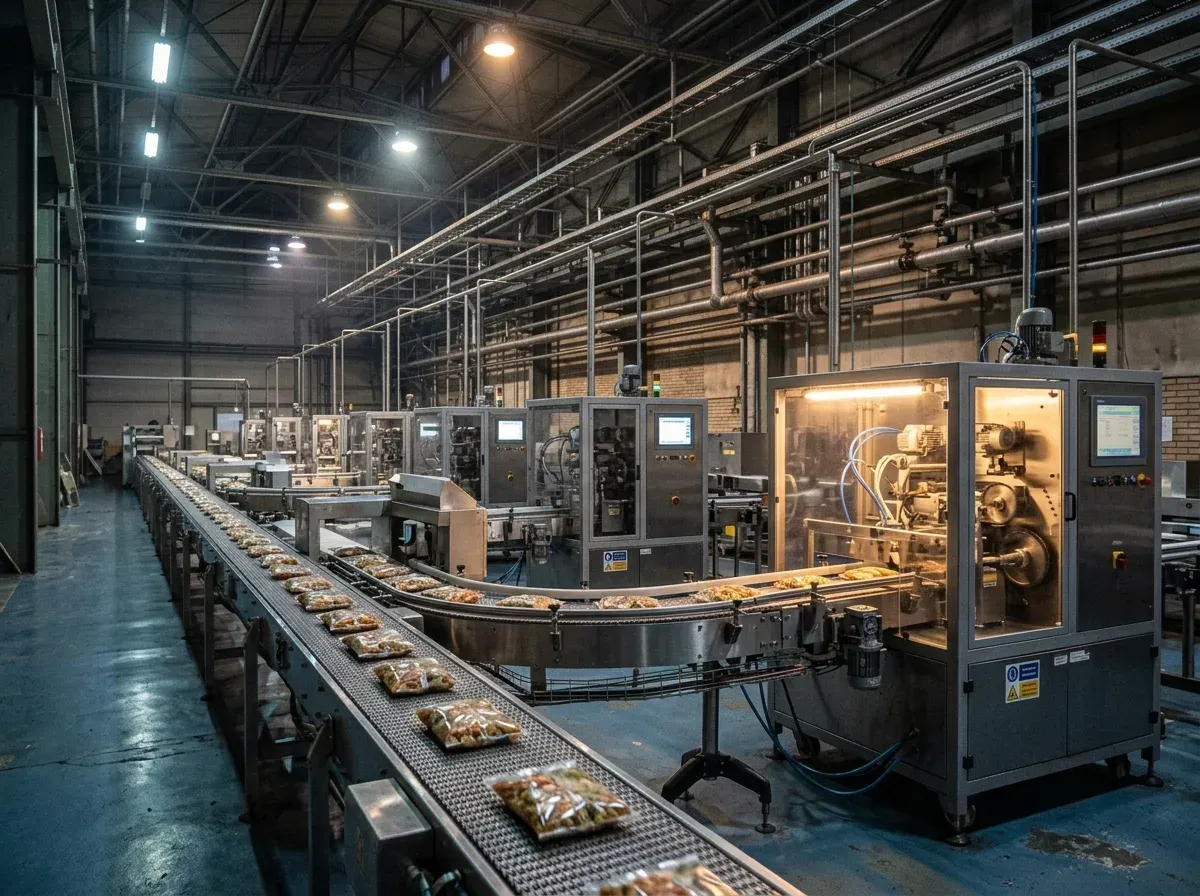
  2. Continuous, multi-shift production

    2Continuous, multi-shift production

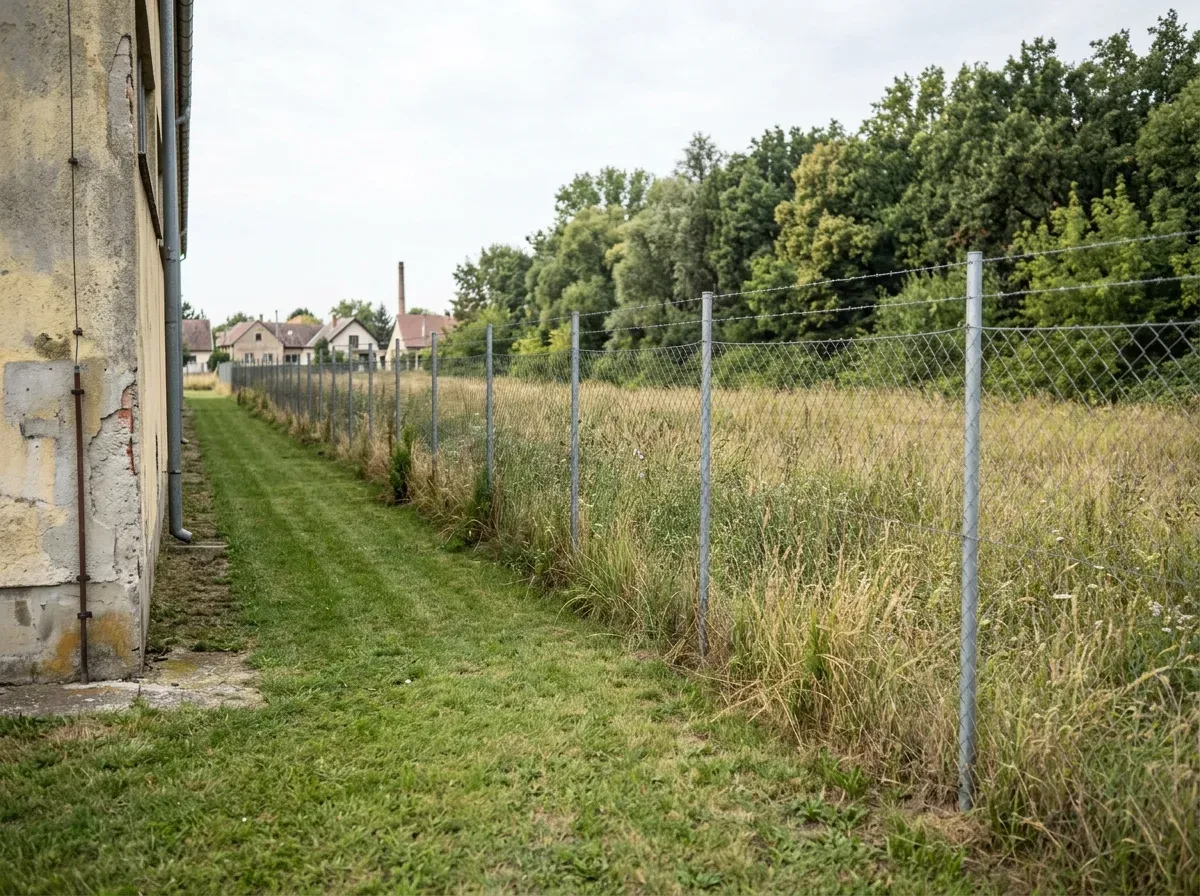
  3. Extensive sites often bordered by green space

    3Extensive sites often bordered by green space

  4. Different risk levels in staff and canteen areas

    4Different risk levels in staff and canteen areas

  5. Expectation of audit-ready documentation

    5Expectation of audit-ready documentation

Large spaces, few visible signs

In a production hall covering several thousand square metres, a pest presence stays unnoticed for a long time: structural cavities, cable trays, machine bases and pallet storage are all hidden habitat. By the time the presence becomes visible, the population has already established itself.

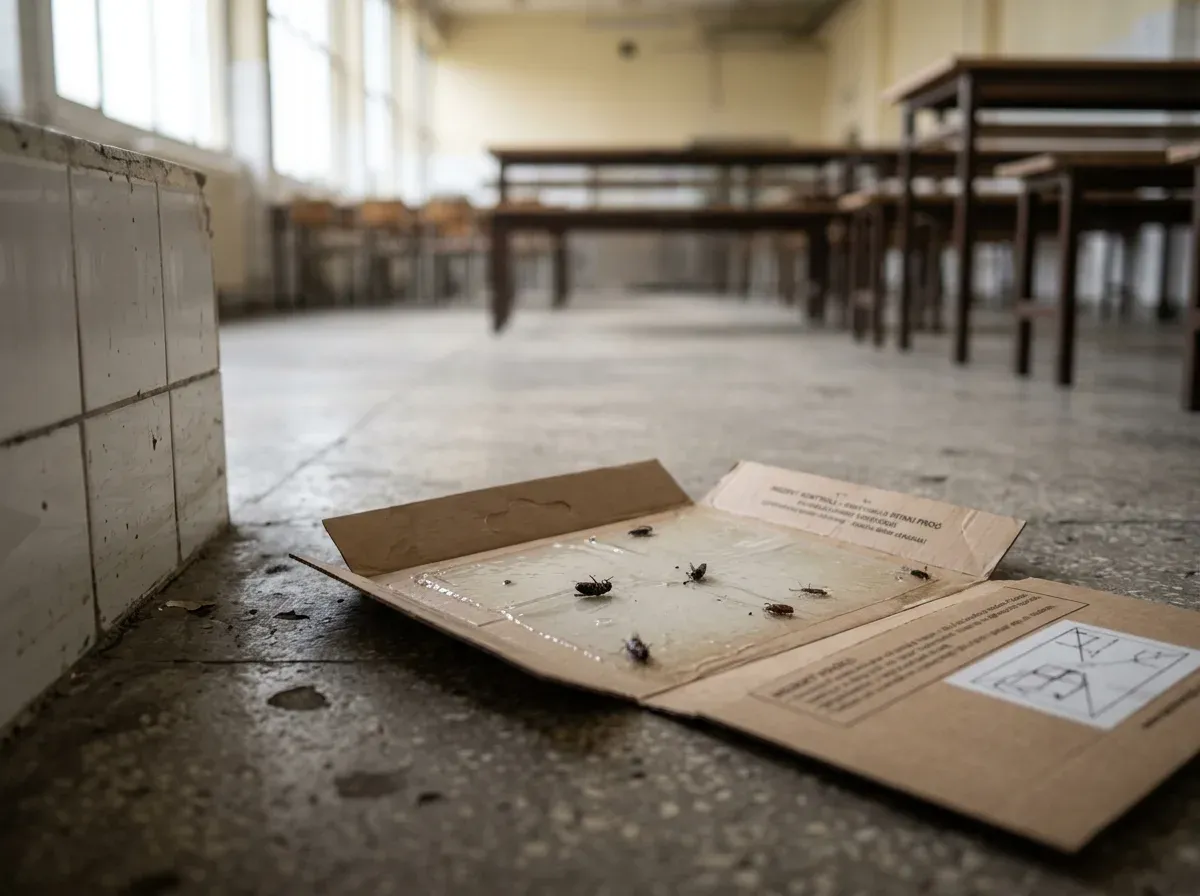
That is why, in a manufacturing plant, monitoring is not an optional extra but the only method that gives early warning.

A zoned layout

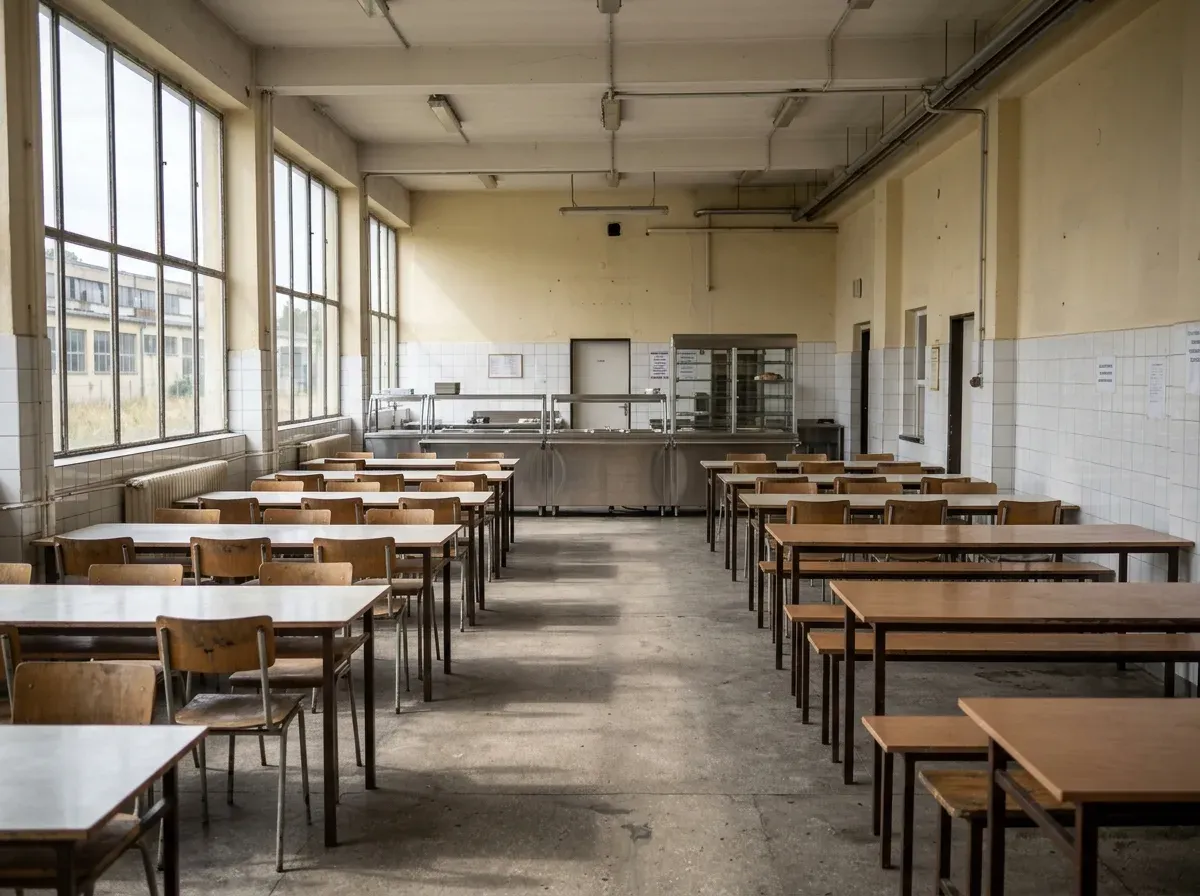
We divide the site into zones — perimeter, production floor, warehouse, staff and canteen areas, waste handling — because their risk and equipment needs differ. Pest pressure is usually highest around the canteen and the waste storage area.

Perimeter protection and green space

Large industrial sites typically border green space. That is where rodents come from, so a network of bait points along the fence line, together with a vegetation-free strip around the buildings, provides the protection.

Scheduling

Visits are aligned with the production calendar. Monitoring points can be checked while production continues; treatments are timed for shift breaks or maintenance shutdowns.

Our references in the sector

Our partners include Bridgestone Tatabánya, Samsung Engineering Magyarország, AGC Autóipari Kft., BYD Electric Bus & Truck Hungary Kft., SICK Kft., Baumit, OBO Bettermann Hungary, Schmitz Cargobull and E.ON, as well as the industrial parks of Komárom, Tata, Oroszlány, Tatabánya, Dorog and Budakalász.

Frequently asked questions

Does treatment disrupt production?

No. Monitoring points can be checked while production continues, and interventions are scheduled for shift breaks or planned maintenance shutdowns. The exact arrangement is set out in the contract.

What should be done about green space on the site?

It's worth keeping a vegetation-free strip around buildings, because plants growing up against a wall provide shelter and a route in. Regular management of the site's green areas is therefore part of the pest control programme, not a separate task.

More from us