
Where they nest
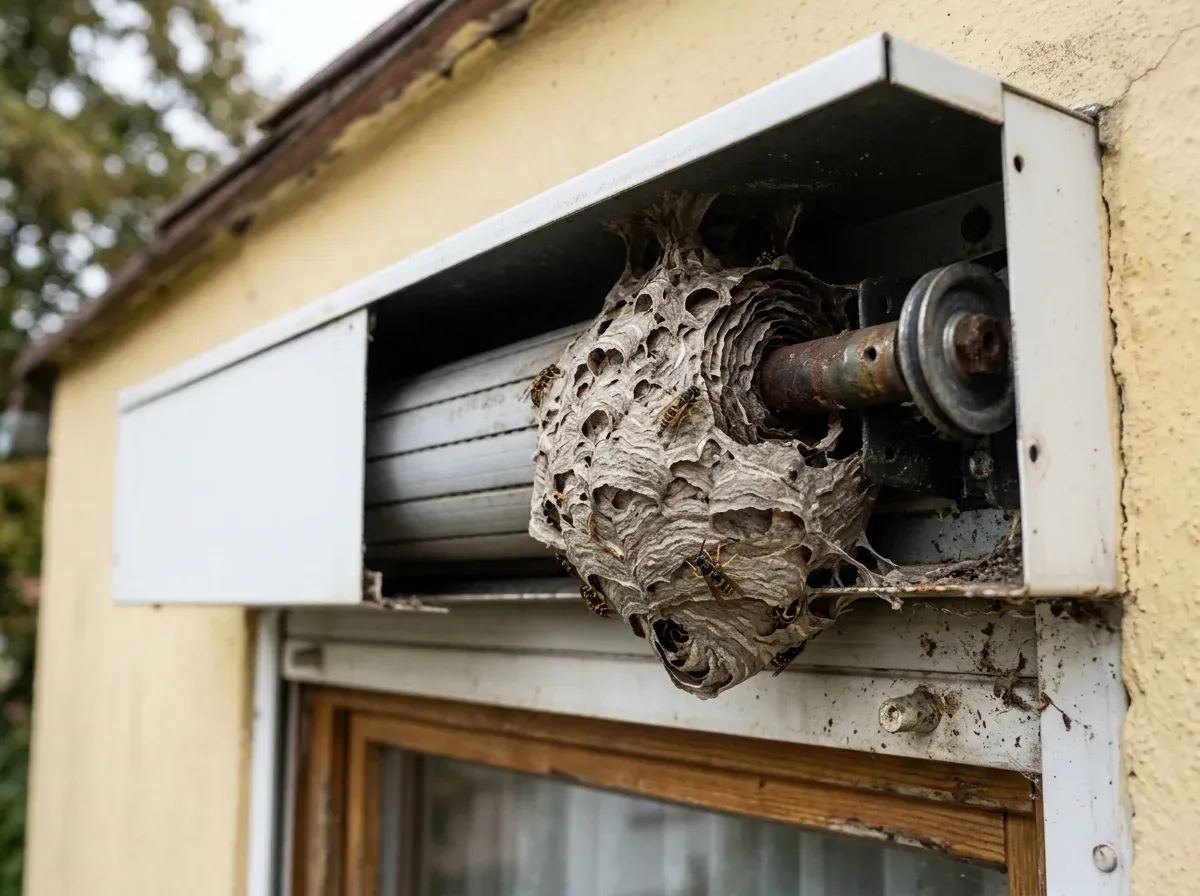
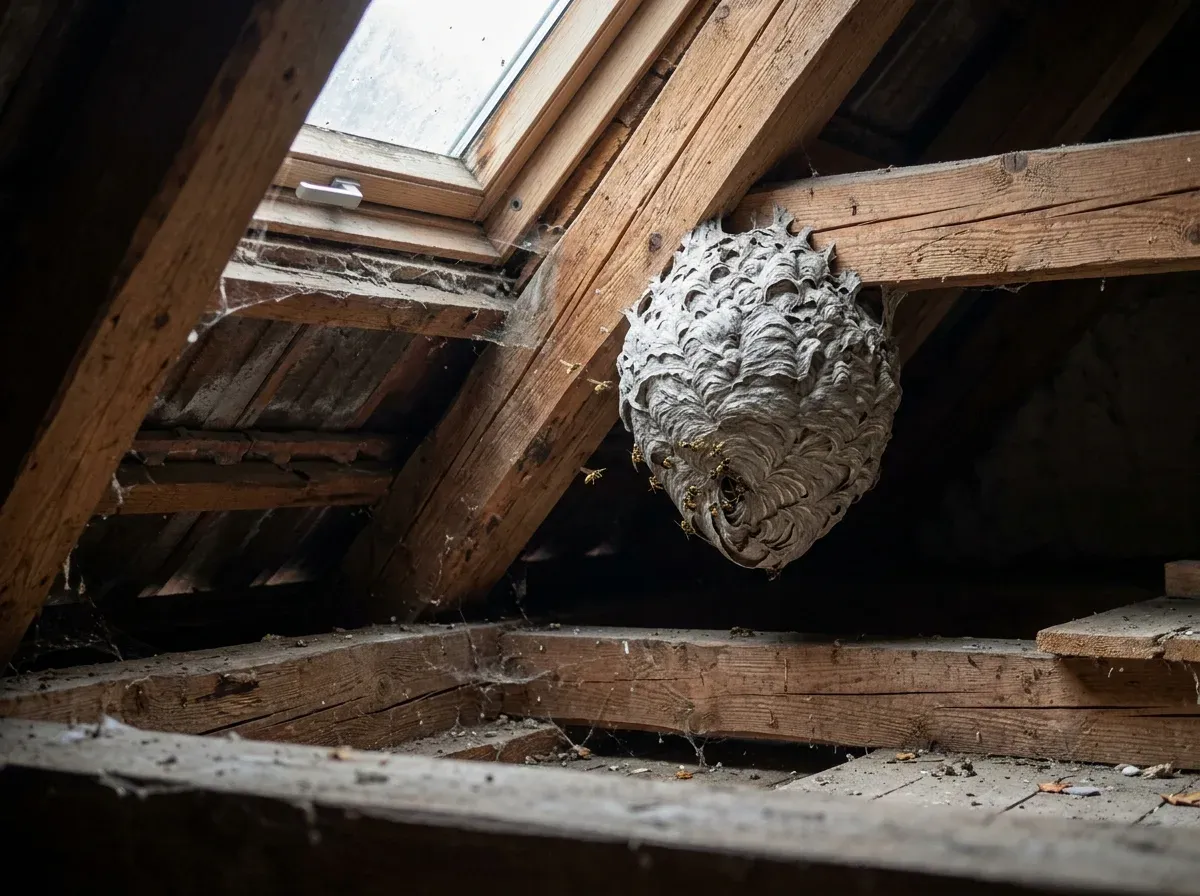
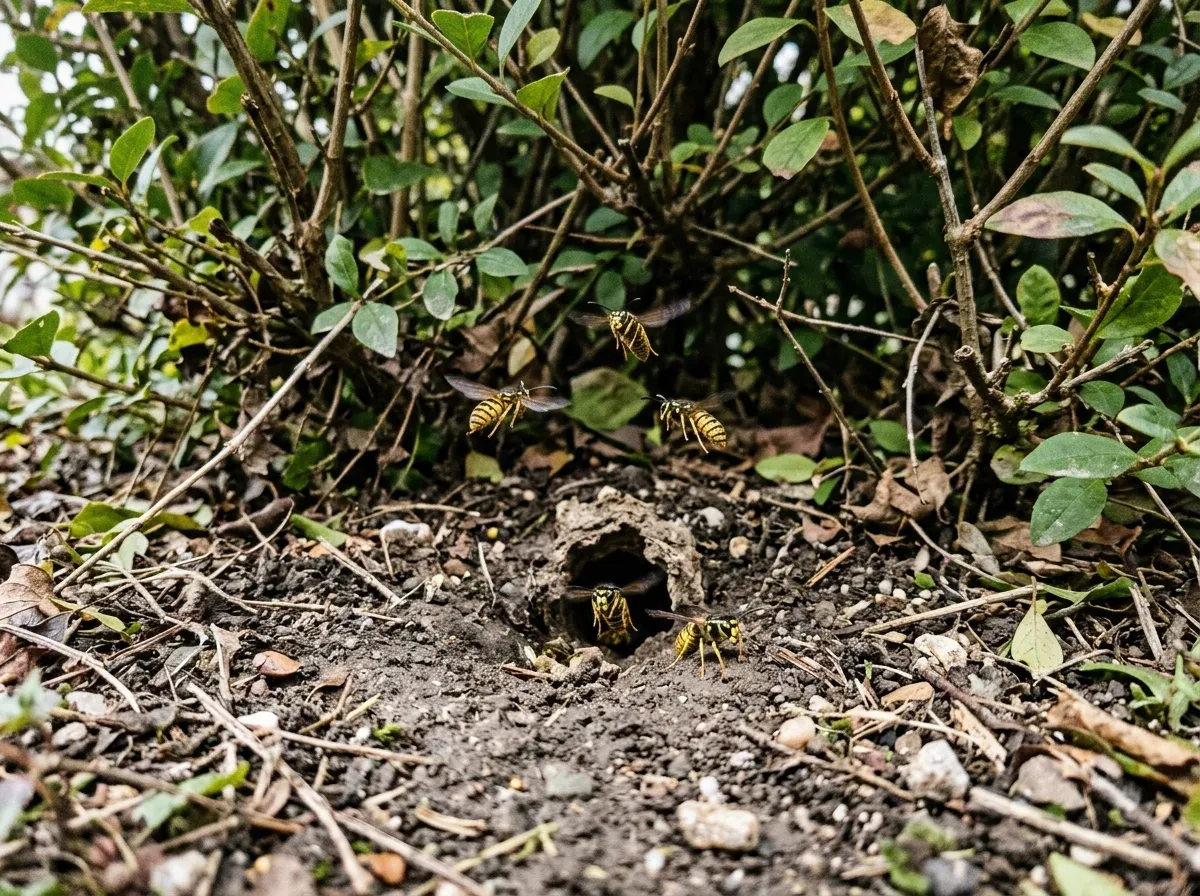
A wasp looks for a protected, enclosed, dry cavity. In a home, this is typically the loft, the space under the eaves, and the shutter box; in a garden, a dense hedge or a ground cavity. In an industrial setting: plant rooms, ventilation shafts, the high structural cavities of warehouses, and gaps in the outer façade.
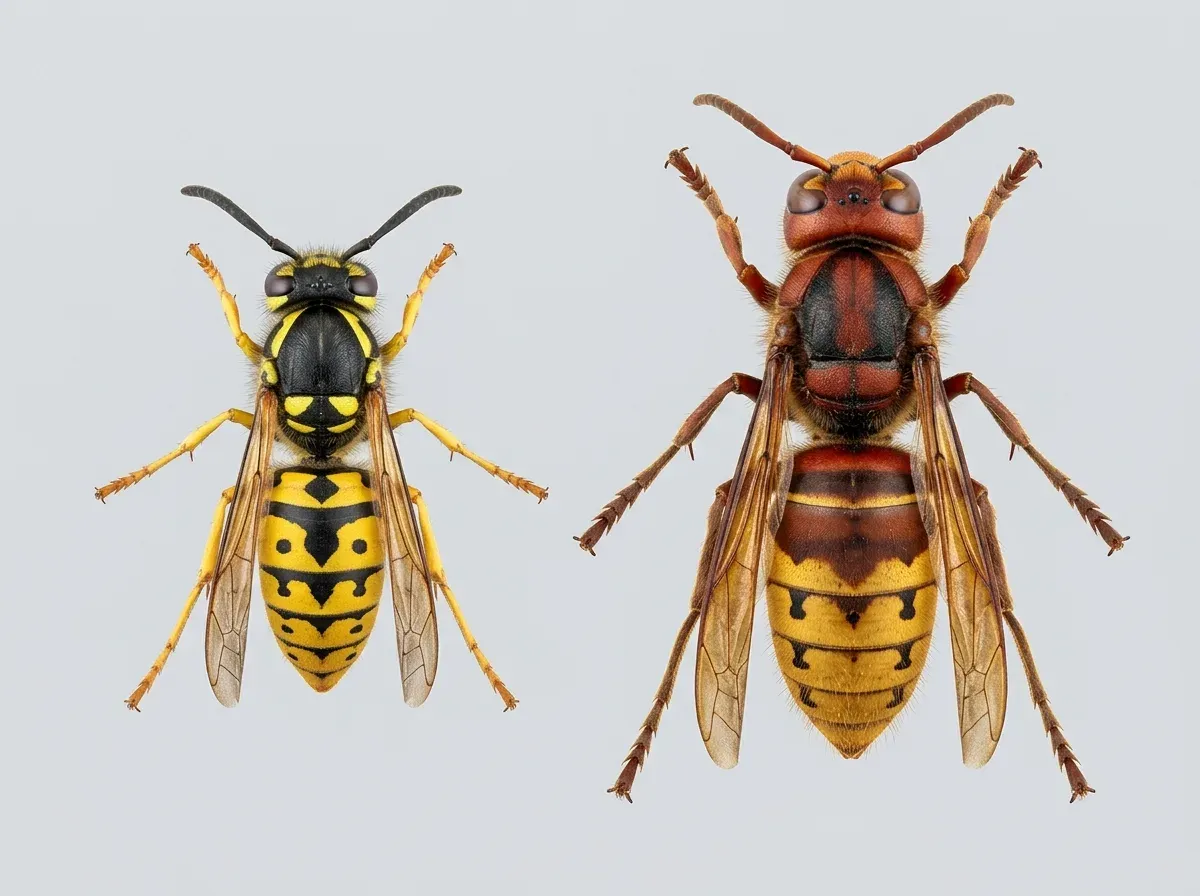
The European hornet (Vespa crabro) is larger and louder, but no more aggressive – it defends itself near the nest just the same way. It typically settles in a hollow tree, a loft space, or a larger structural cavity.
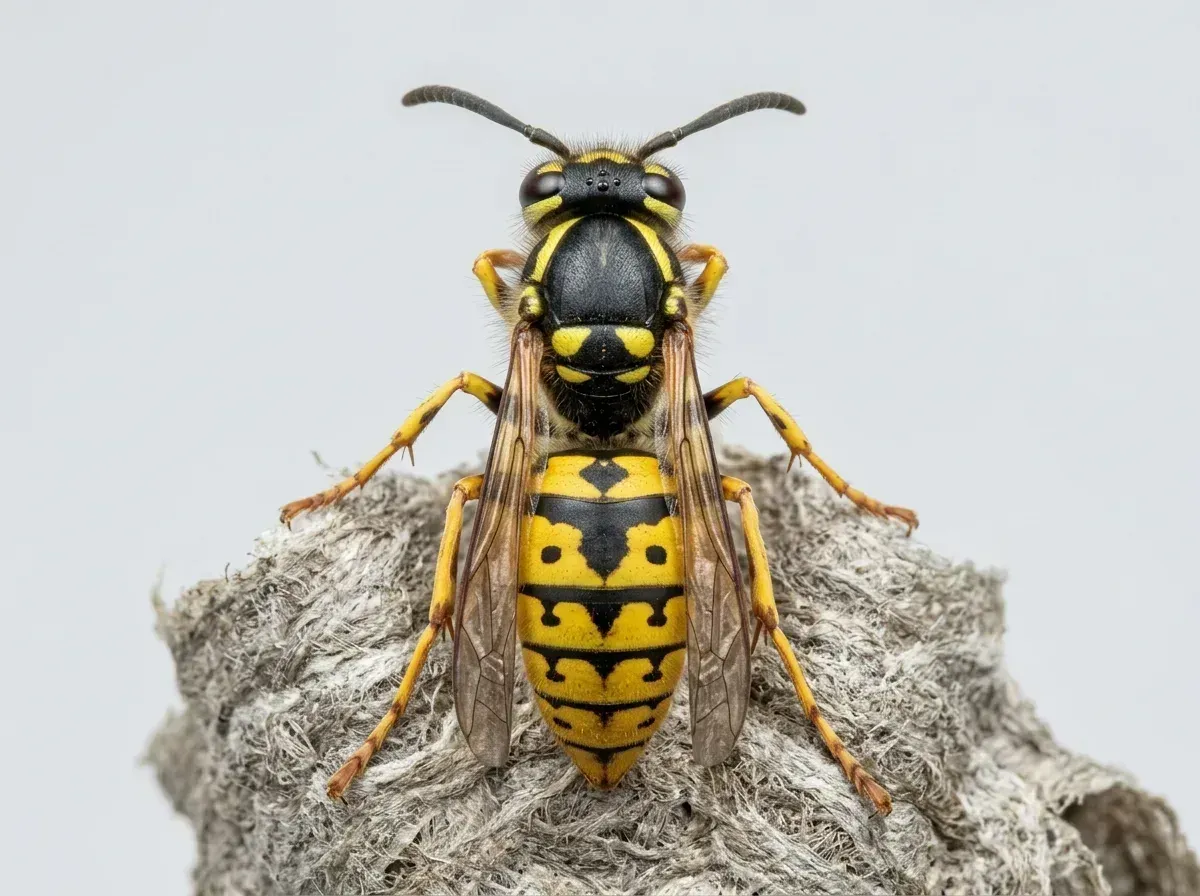
How to recognise it
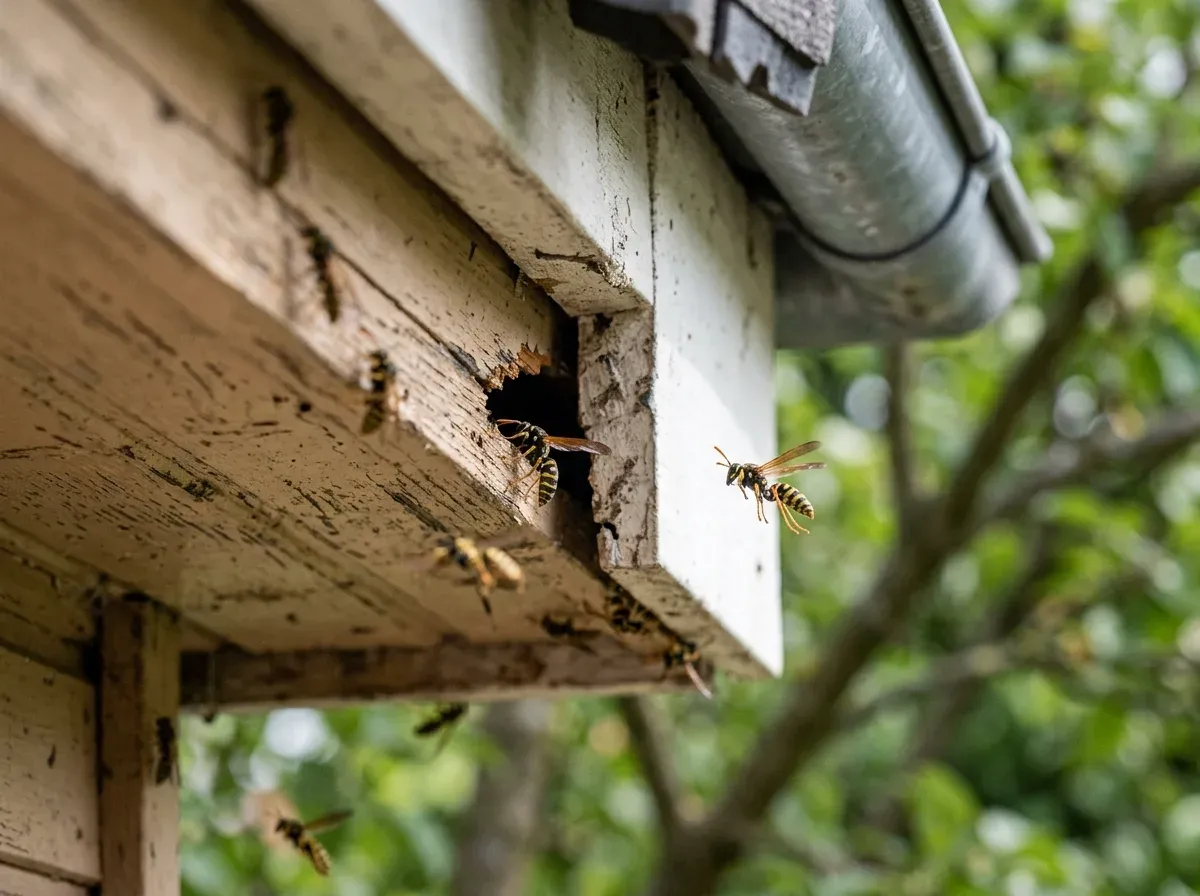
The nest itself is often not visible, because it sits inside an enclosed cavity. In that case, the telltale sign is a constant entry and exit point: a steady stream of traffic to the same spot can be observed at a particular gap, an opening under the eaves, or a shutter box. This shows exactly where the nest is without needing to open up the structure.
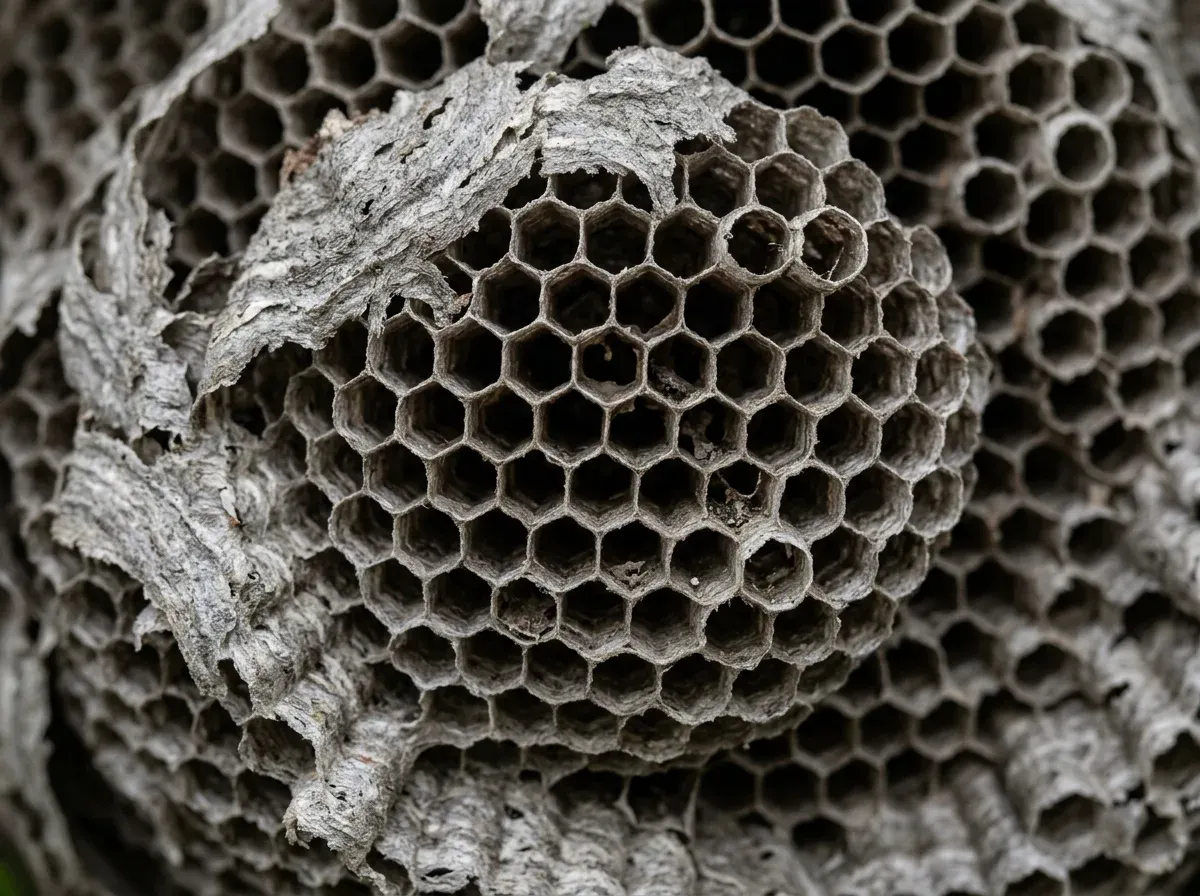
Other signs are fragments of papery, layered nest material, and a buzzing sound audible from inside the wall structure in quiet conditions.
Why it’s a workplace-safety issue
In an industrial setting, a wasp nest is primarily not a matter of comfort but a workplace-safety problem. The sting is painful, a wasp can sting more than once, and for an allergic employee a single sting can trigger an anaphylactic reaction. In a loading area, next to a waste store, or on an outdoor work site, this is a real accident risk.
ARZÉN Kft. removes or treats the nest in full, equipped for work at height as well, and documents the intervention.
What helps in the meantime
Do not try to spray or knock the nest down, and do not block the exit opening – wasps will typically then try to break through into the interior. Covering sweet food and open waste bins reduces traffic, but does not eliminate the nest.