Spiders at Home and at Work: What They Mean

The spider species found in Hungary are practically harmless to people, and even useful, because they eat flying insects. Their presence is therefore rarely the problem on its own: a spider settles wherever there is something to eat, so a sudden increase in numbers typically signals that flying insects have increased. In a food-industry setting, a web counts as a hygiene shortfall and shows up as an audit finding.

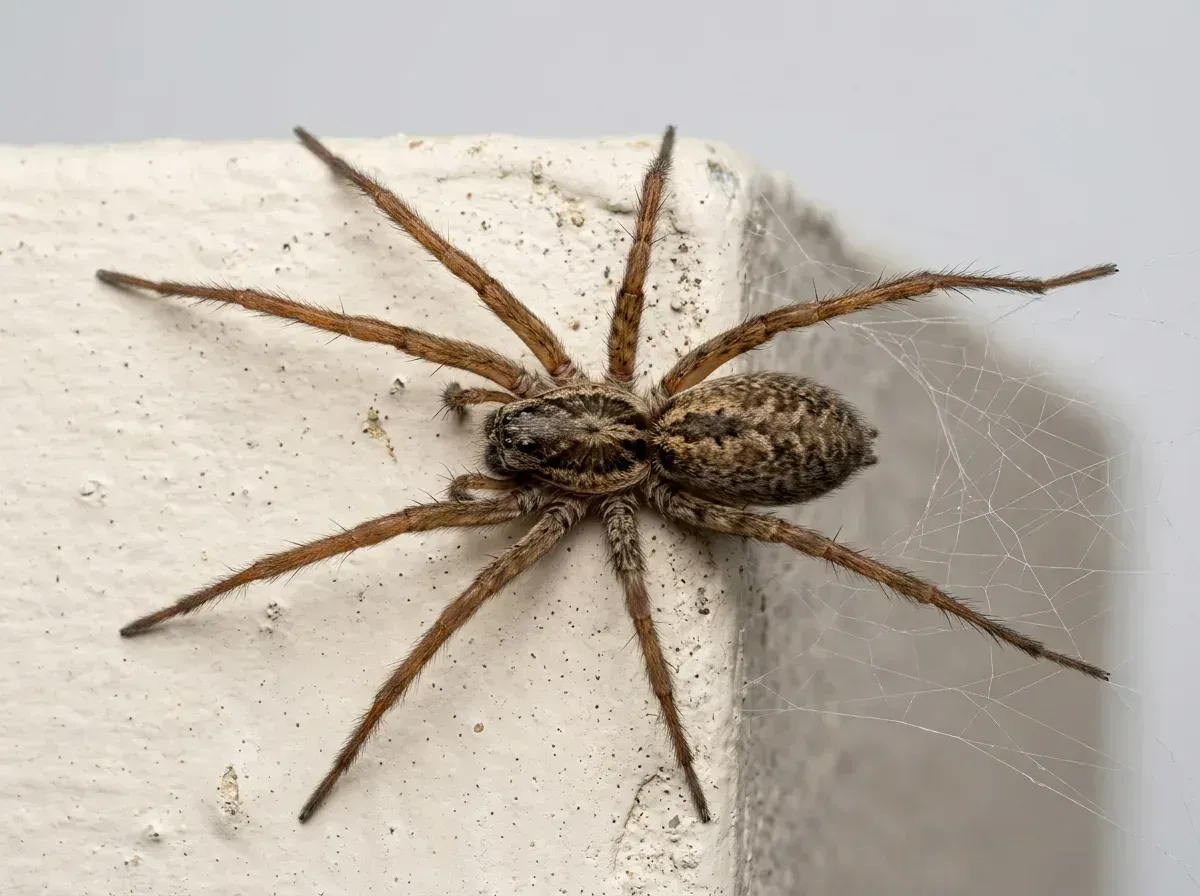
Spiders (Araneae)
Araneae

How to recognise it

Compare it with what you found. If you are not sure, send us a photo – a preliminary identification means we arrive with the right method from the start.

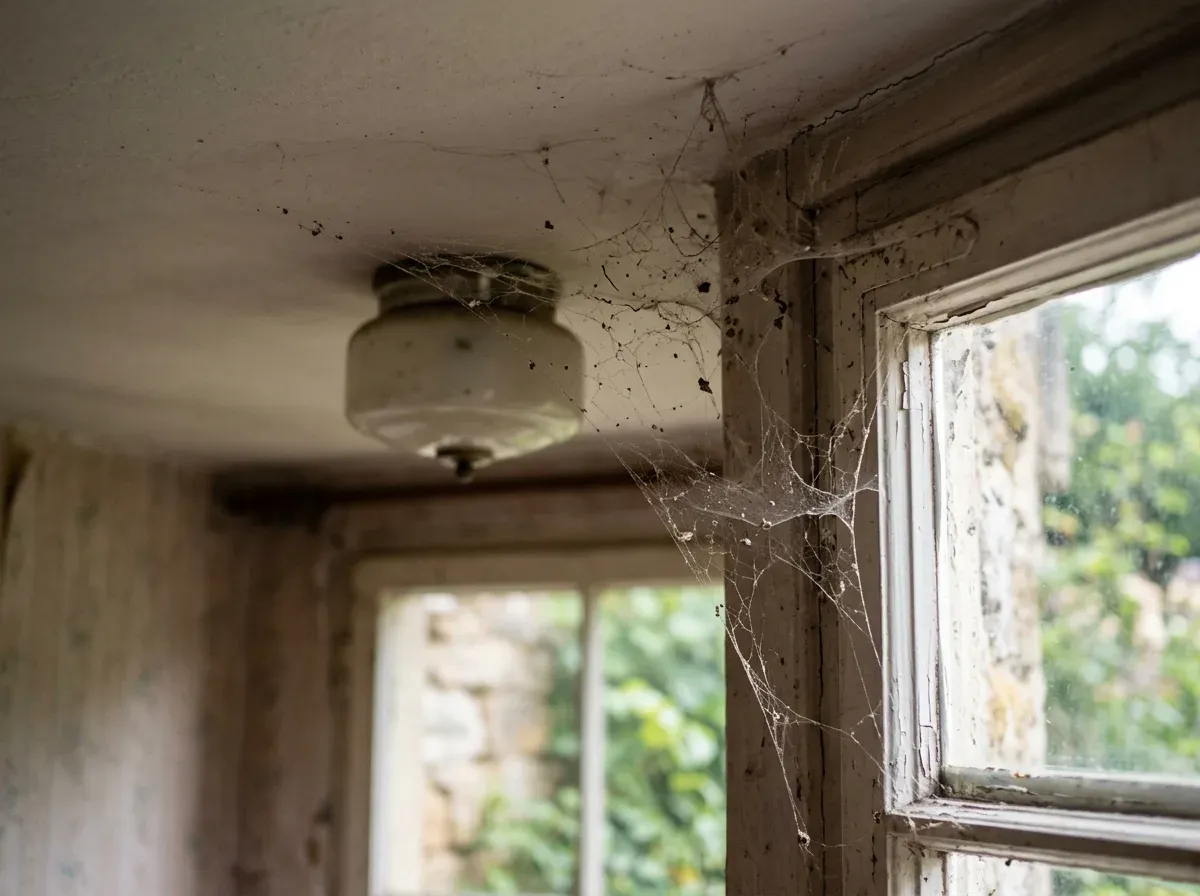
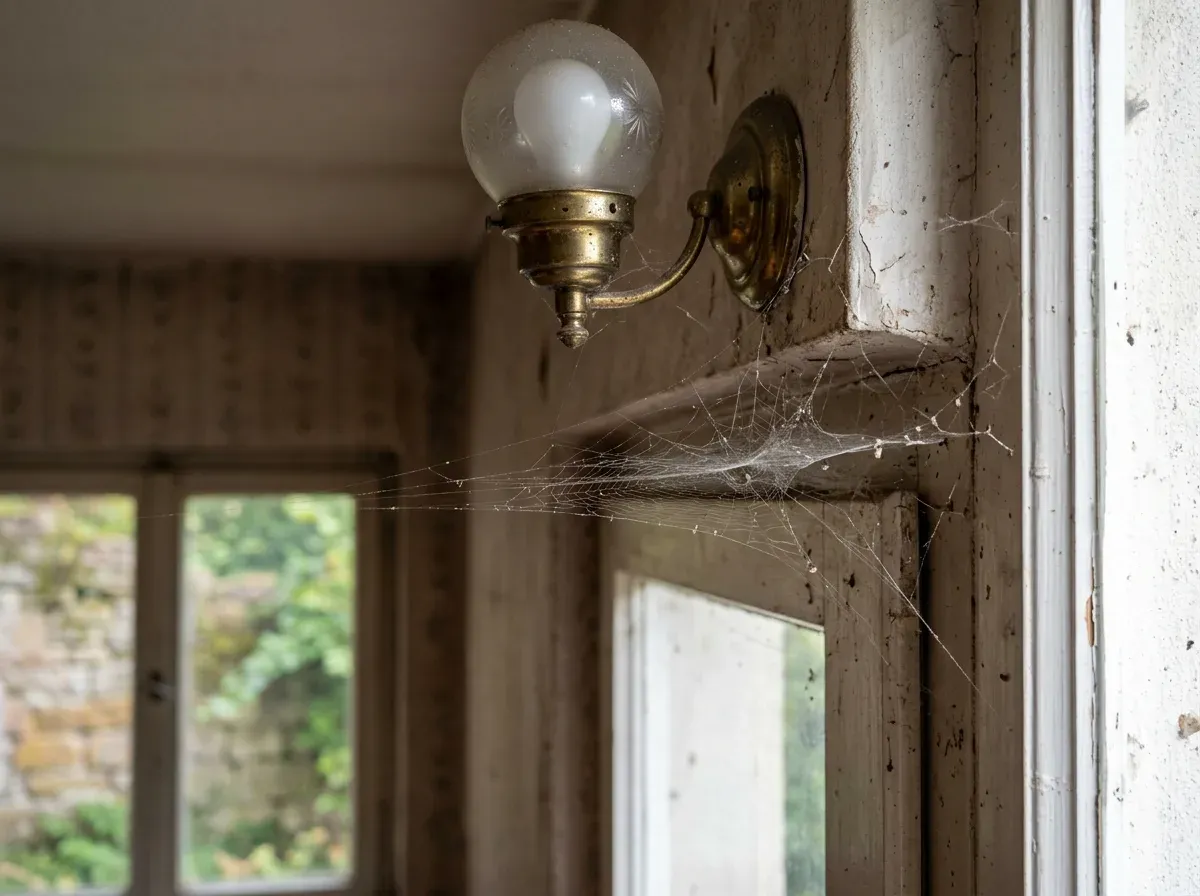
  1. Webs in corners, window frames and around light fittings

    1Webs in corners, window frames and around light fittings

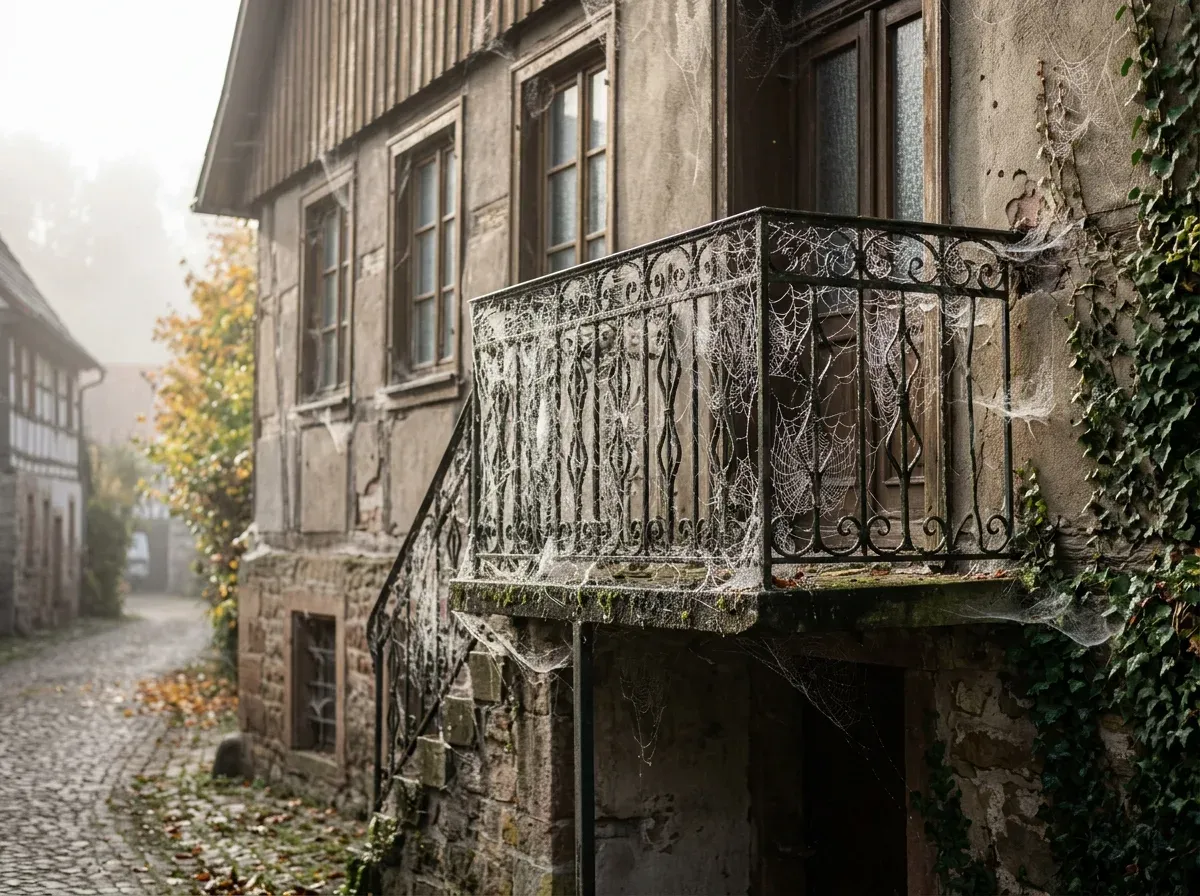
  2. A sudden increase in webs in early autumn

    2A sudden increase in webs in early autumn

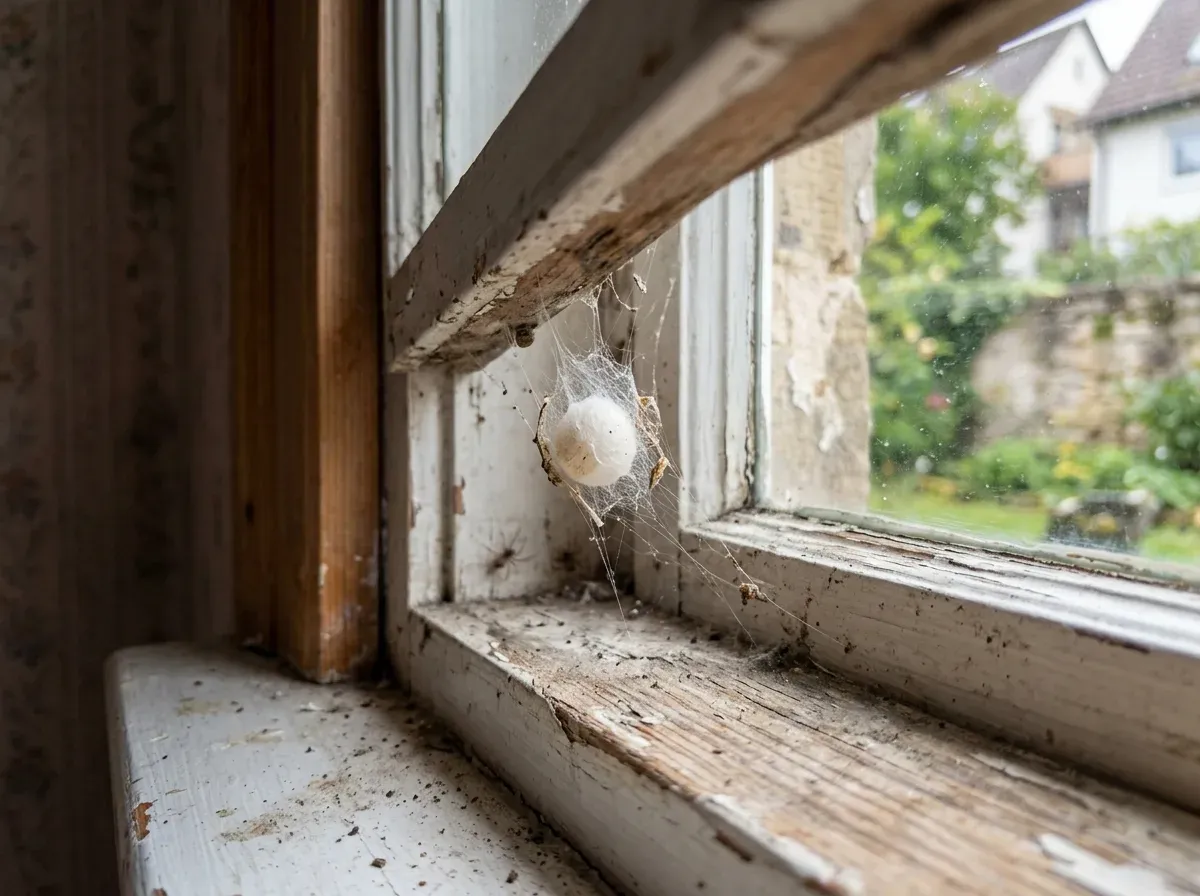
  3. Egg sacs on hidden, protected surfaces

    3Egg sacs on hidden, protected surfaces

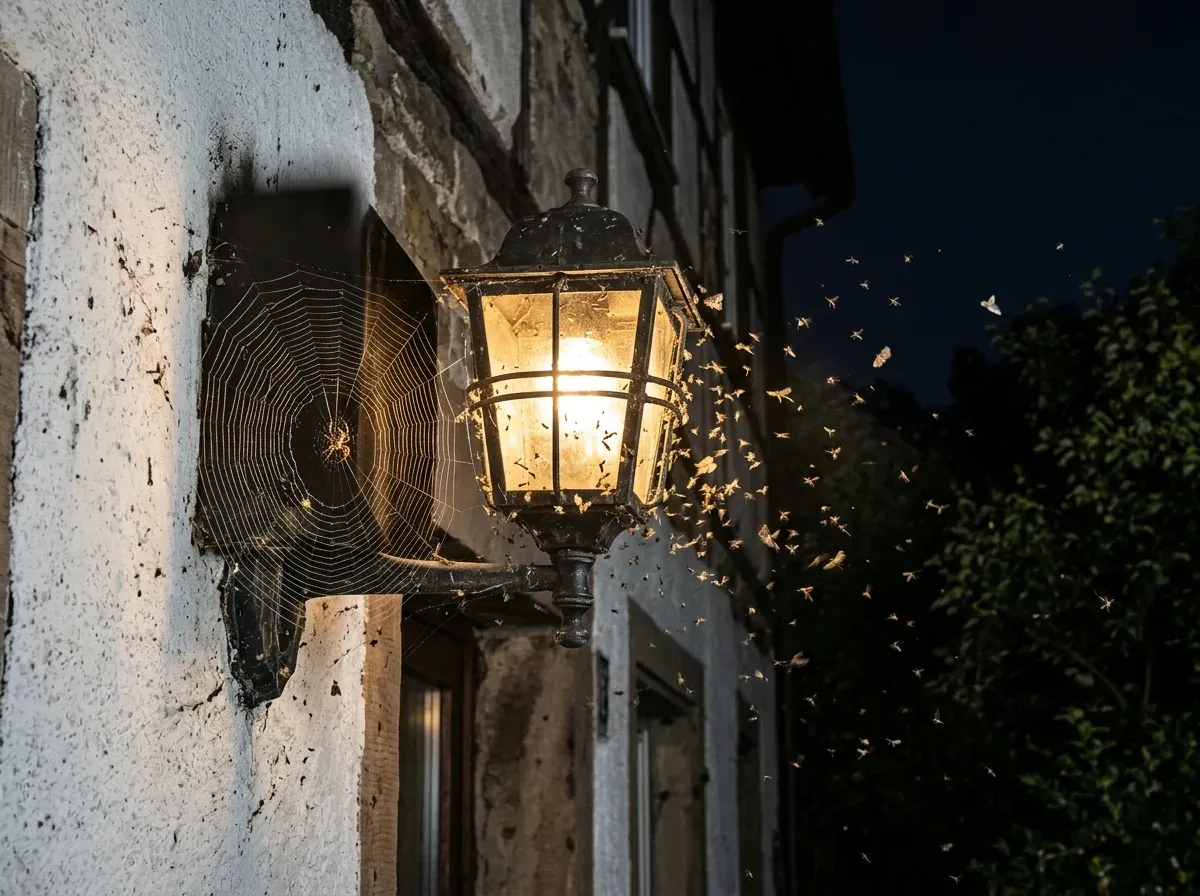
  4. Large numbers of flying insects around light sources

    4Large numbers of flying insects around light sources

It’s not the spider that’s the problem, it’s what it signals

A spider is a predator: it settles and stays wherever there is something to eat. This is why a larger spider population appearing in a home or a plant is rarely the problem on its own – it’s much more a signal that there are plenty of flying insects around.

This is why treating spiders on their own is consistently disappointing. If the food source remains, the area repopulates. If there are fewer flying insects, the spider population thins out on its own.

Is it dangerous?

The species found in Hungary are practically harmless to people. Bites are rare and typically only occur if the animal is trapped between the skin and a surface. The health risk is therefore negligible – but the nuisance factor and industrial compliance are real concerns.

Why it shows up in early autumn

Two causes act together. Individuals that hatched in spring have grown by early autumn, so they become more visible. At the same time they are more actively searching for a mate, which means more movement and more conspicuous individuals.

This autumn picture is misleading: there aren’t necessarily more spiders, the existing ones are just larger and more active.

In a food-industry setting

Here, the animal itself is not the issue – keeping the building structure clean is. Webs and egg sacs show up as a shortfall in the cleaning and maintenance regime, and on an audit they typically appear as a finding – especially in a packaging-material warehouse and above process areas, where debris falling from a web is a foreign-matter risk.

A real solution is therefore always twofold: regular, documented removal of webs, and reducing the number of flying insects – which includes reviewing the lighting, as well as installing and emptying UV insect light traps and evaluating their catch data.
Where it hides, where it comes from

Treatment starts where the animal actually is – these are the first places we check during the survey.

  • Corners, window frames and around light fittings – where flying insects gather

    Corners, window frames and around light fittings – where flying insects gather

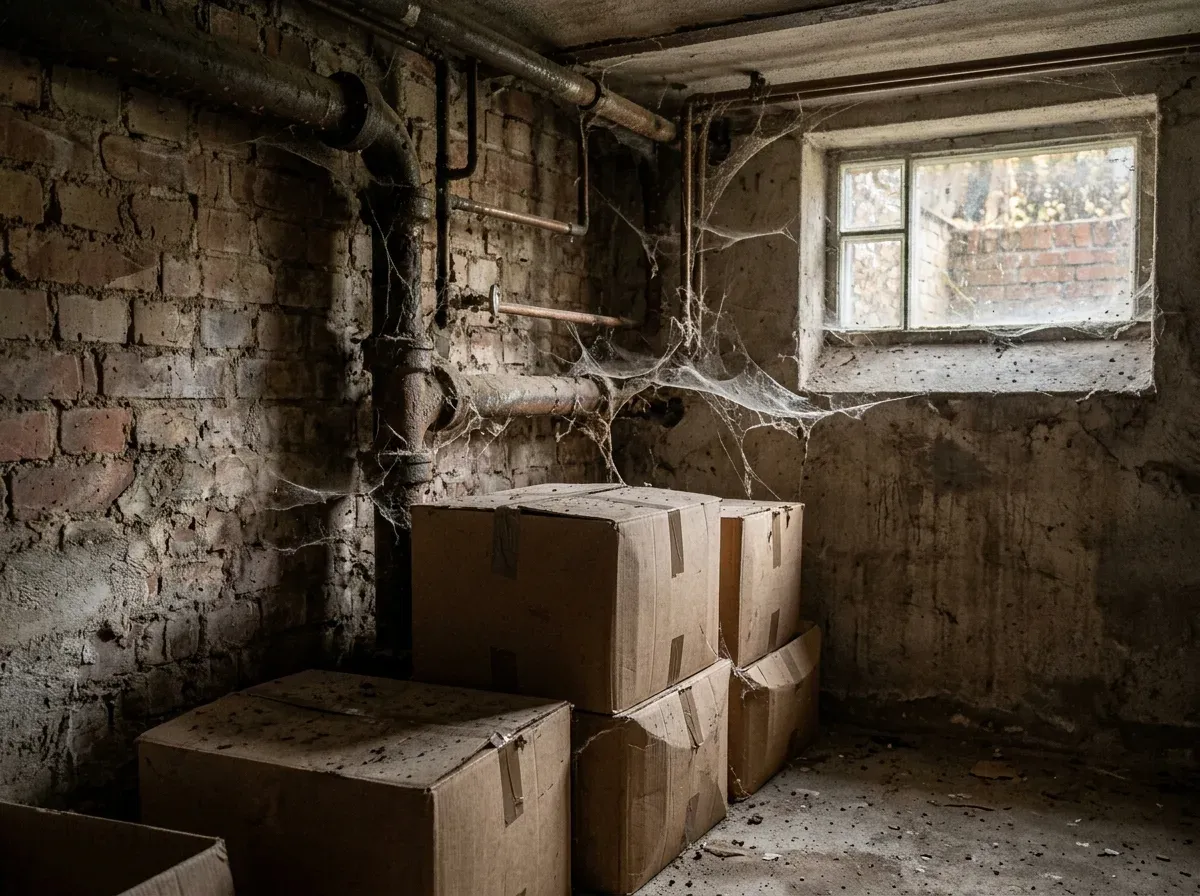
  • Corners of cellars, garages and storage areas

    Corners of cellars, garages and storage areas

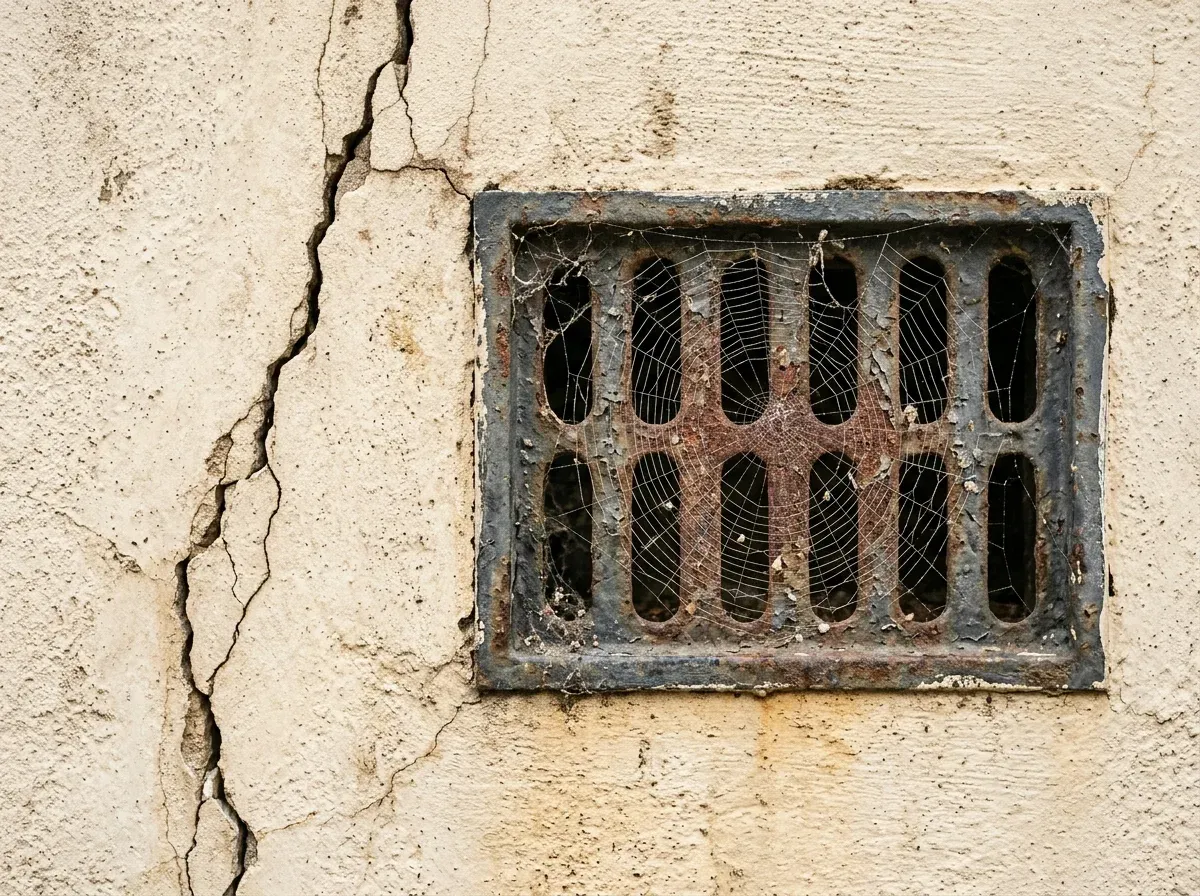
  • Façade gaps and ventilation openings – where it moves in through in early autumn

    Façade gaps and ventilation openings – where it moves in through in early autumn

Frequently asked questions

Is a spider living in the home dangerous?

The species found in Hungary are practically harmless to people. Bites are rare, and typically only happen if the animal is pressed against the skin. This is not a health risk but a nuisance – and in an industrial setting, a matter of hygiene compliance.

Why are there suddenly so many?

There are typically two reasons. In early autumn, adult specimens are larger and more actively searching for a mate, so they simply become more visible. The other reason is food abundance: a spider stays wherever there are flying insects, so an increase in spiders usually signals that flying insects have increased.

What does a food-industry audit expect?

The presence of webs and egg sacs shows up as a shortfall in the cleaning and maintenance regime, typically as an audit finding. For an auditor, the spider itself is not the point – what matters is whether keeping the building structure clean and controlling flying insects – for example installing and emptying UV insect light traps – is demonstrably in place.

What helps the most?

Regular mechanical removal of webs, reviewing outdoor lighting – because it attracts prey – and making sure doors, windows and vents are gap-free. Only after that does targeted treatment make sense; as long as the food source remains, treatment on its own only gives a temporary result.

More from us