Pest Control for Grain Stores & Farms

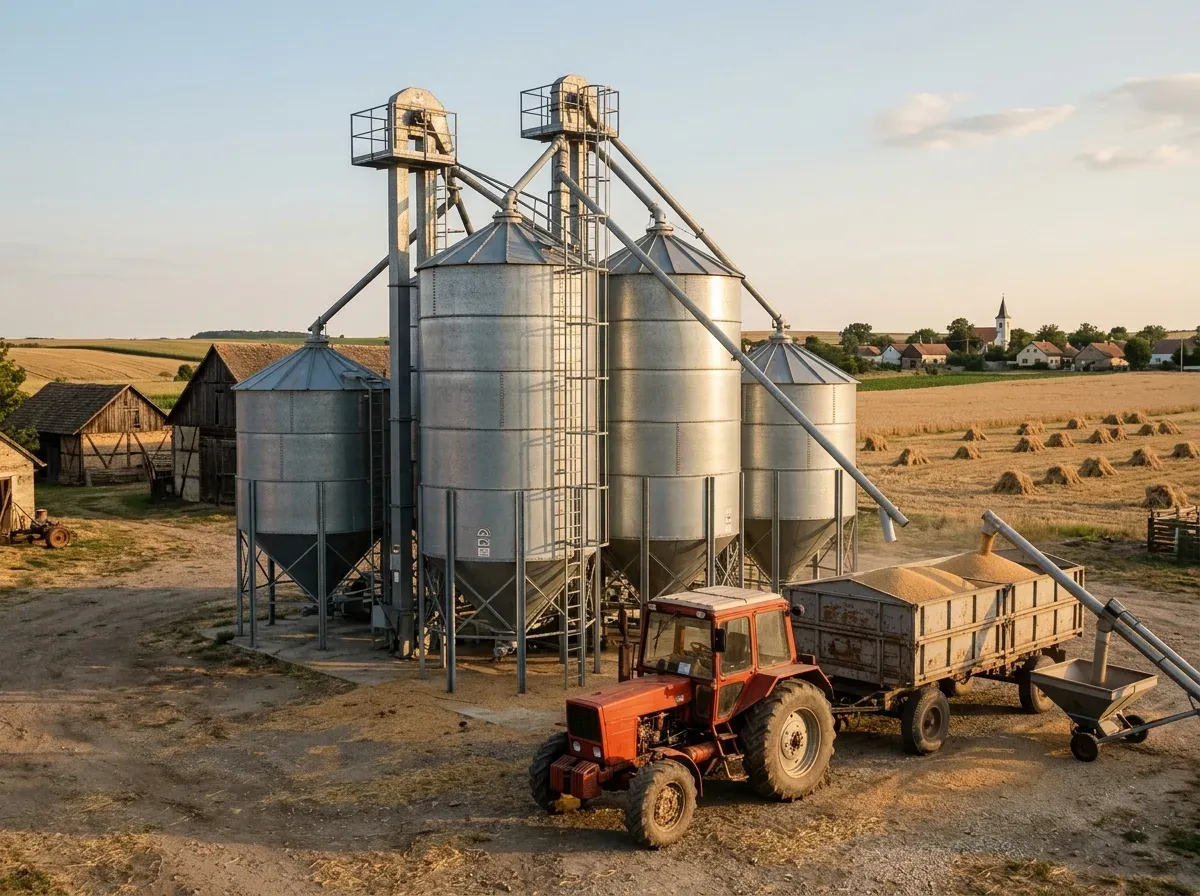
Agricultural pest control centres on protecting stored produce: stored-product pests develop inside the grain itself, so surface treatment cannot reach them. The solution is sealed-space fumigation, supervised by a licensed fumigation supervisor, with the storage space prepared beforehand.

Agriculture

Typical challenges

These are the situations that decide how the programme is built for your site – they are the first thing we look at during the survey.

  1. The pest develops inside the grain itself

    1The pest develops inside the grain itself

  2. A narrow time window at the seasonal intake peak

    2A narrow time window at the seasonal intake peak

  3. Storage spaces that are not gas-tight

    3Storage spaces that are not gas-tight

  4. Rodent pressure from surrounding farmland

    4Rodent pressure from surrounding farmland

  5. Quality objections raised by the buyer

    5Quality objections raised by the buyer

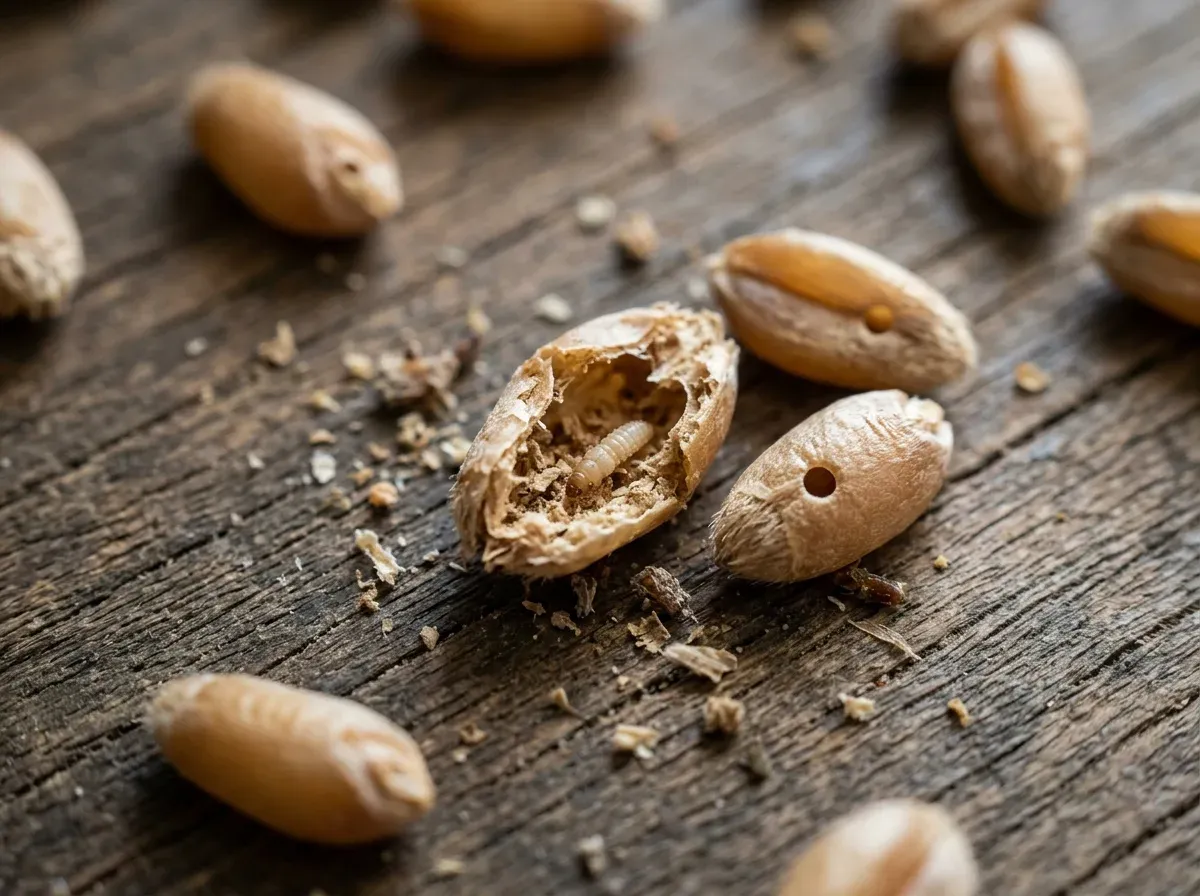
The stored-product pest destroys unseen

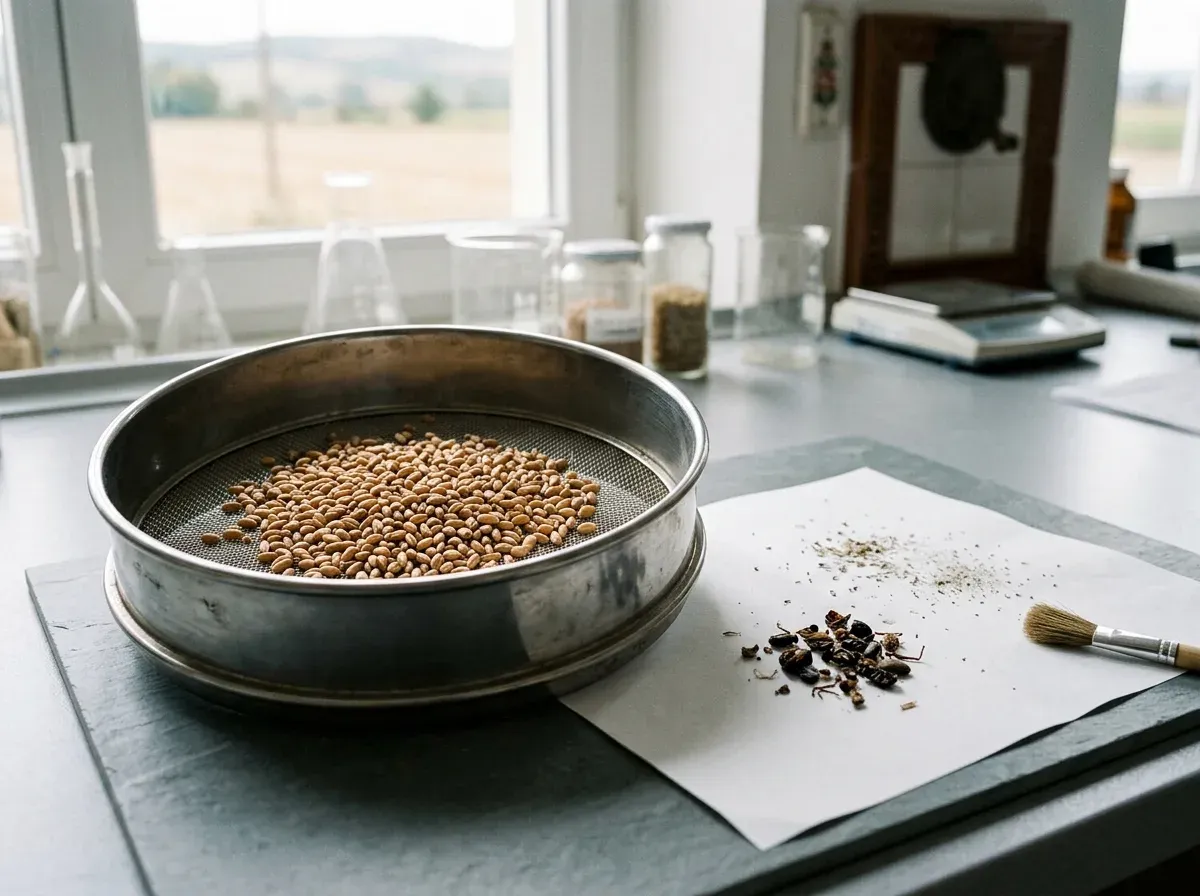
Weevil larvae develop inside the grain kernels themselves; stored-product moths develop deep within the stock. The damage therefore stays invisible for a long time, and comes to light when the buyer raises a quality objection — typically at the worst possible moment, at outloading.

Surface treatment cannot reach these developmental stages. A gaseous active ingredient is the only one that spreads through the full cross-section of the stock.

Treating the empty store

The most effective and most economical intervention is treatment of the empty store before intake. This clears infestation left over from the previous season in structural gaps, augers and hoppers — infestation that would otherwise contaminate the new stock immediately.

Gas-tightness

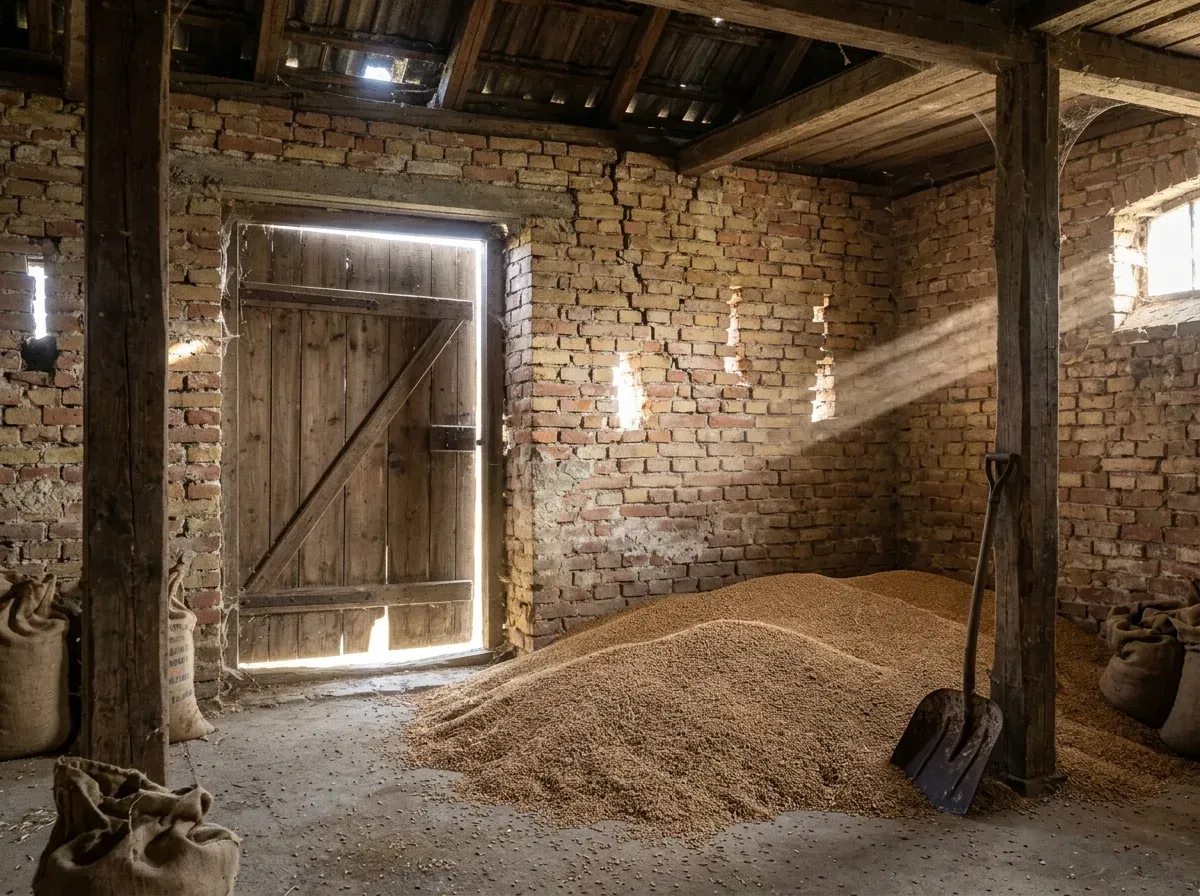
Fumigation only works in a space that can be sealed. Before treatment, we assess the condition of the store and seal gaps, vents and openings. Where a structure cannot be sealed permanently, we recommend repair — without it, effectiveness cannot be guaranteed.

Rodent control on site

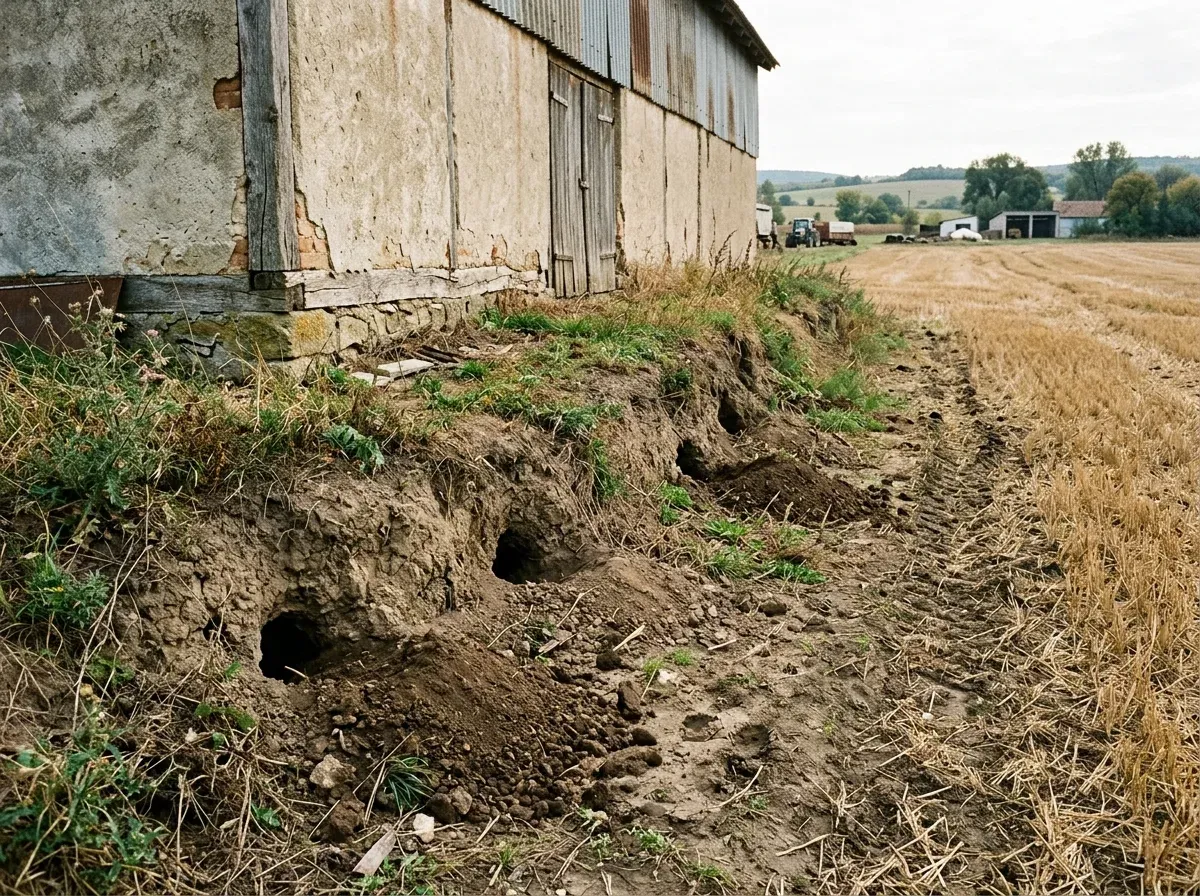
Agricultural sites face constant rodent pressure from the surrounding fields. Maintaining a network of bait points around the stores and a vegetation-free strip is especially important here.

Seasonal scheduling

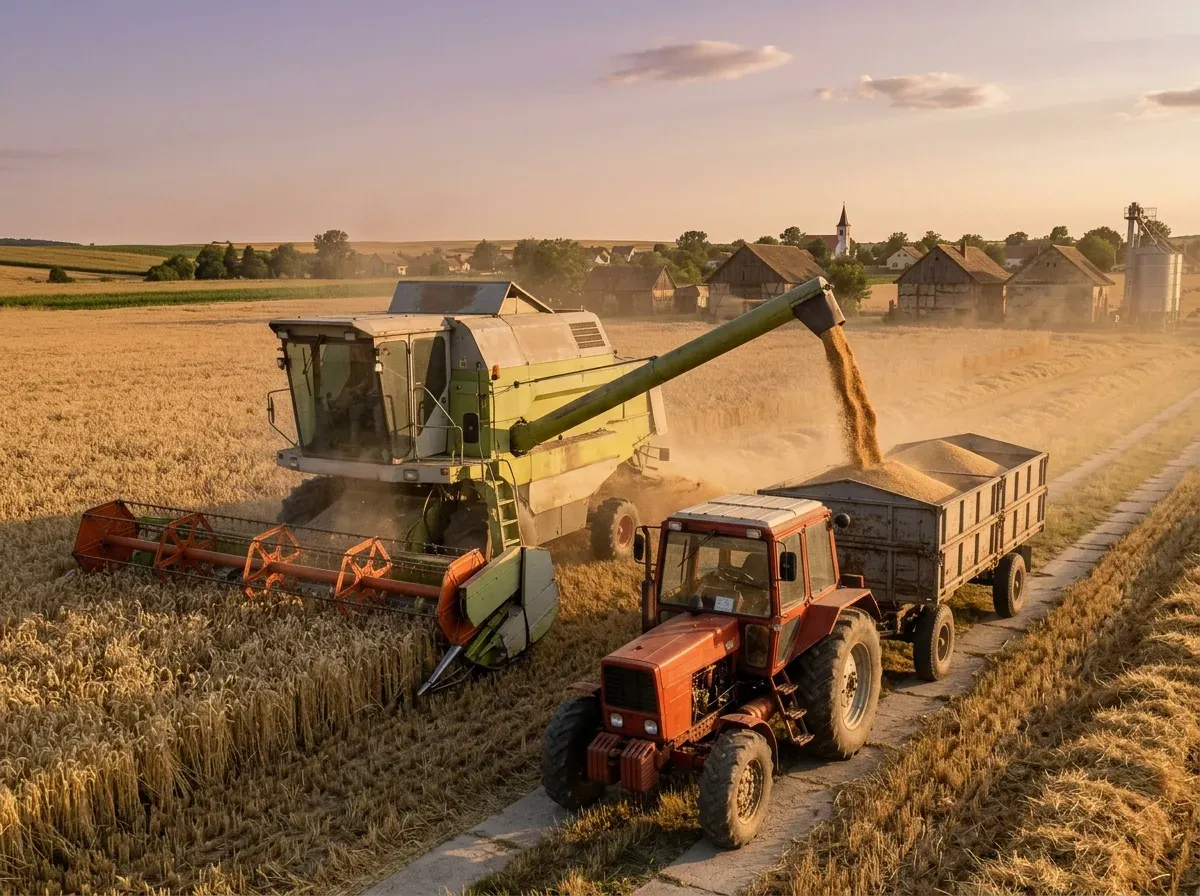
The intake peak leaves a narrow time window. Treatments are therefore scheduled against a pre-agreed calendar, so the store is ready by the start of intake.

Frequently asked questions

Is it better to fumigate before or after intake?

Both have a role. Treating the empty store before intake clears any infestation carried over from the previous season — this is the most effective form of prevention. After intake, we treat stock already in storage if monitoring indicates an infestation.

What if the store isn't gas-tight?

Fumigation only works in a space that can be sealed. Gaps, vents and openings are sealed before treatment; where this cannot be done permanently, we recommend structural repair, because without it the treatment's effectiveness cannot be guaranteed.

Does fumigation affect the quality of the grain?

No. Phosphine is a gas: after ventilation it leaves no residue on the grain that would restrict its use. We measure concentration at the end of the process and record the result in a report.

More from us