When is fumigation the right choice?
Once a pest is already inside the stored produce, surface treatment can’t reach it. Weevil larvae develop inside the kernel, and stored-product moth larvae deeper within the stock — only a gaseous active ingredient, which disperses throughout the full depth of the stock, reaches them.
Fumigation is also the only method that destroys every stage of the pest’s development at once: egg, larva, pupa and adult. This matters because after a treatment effective only against adults, the emerging new generation recolonises the stock within a few weeks.
Where do we apply it?
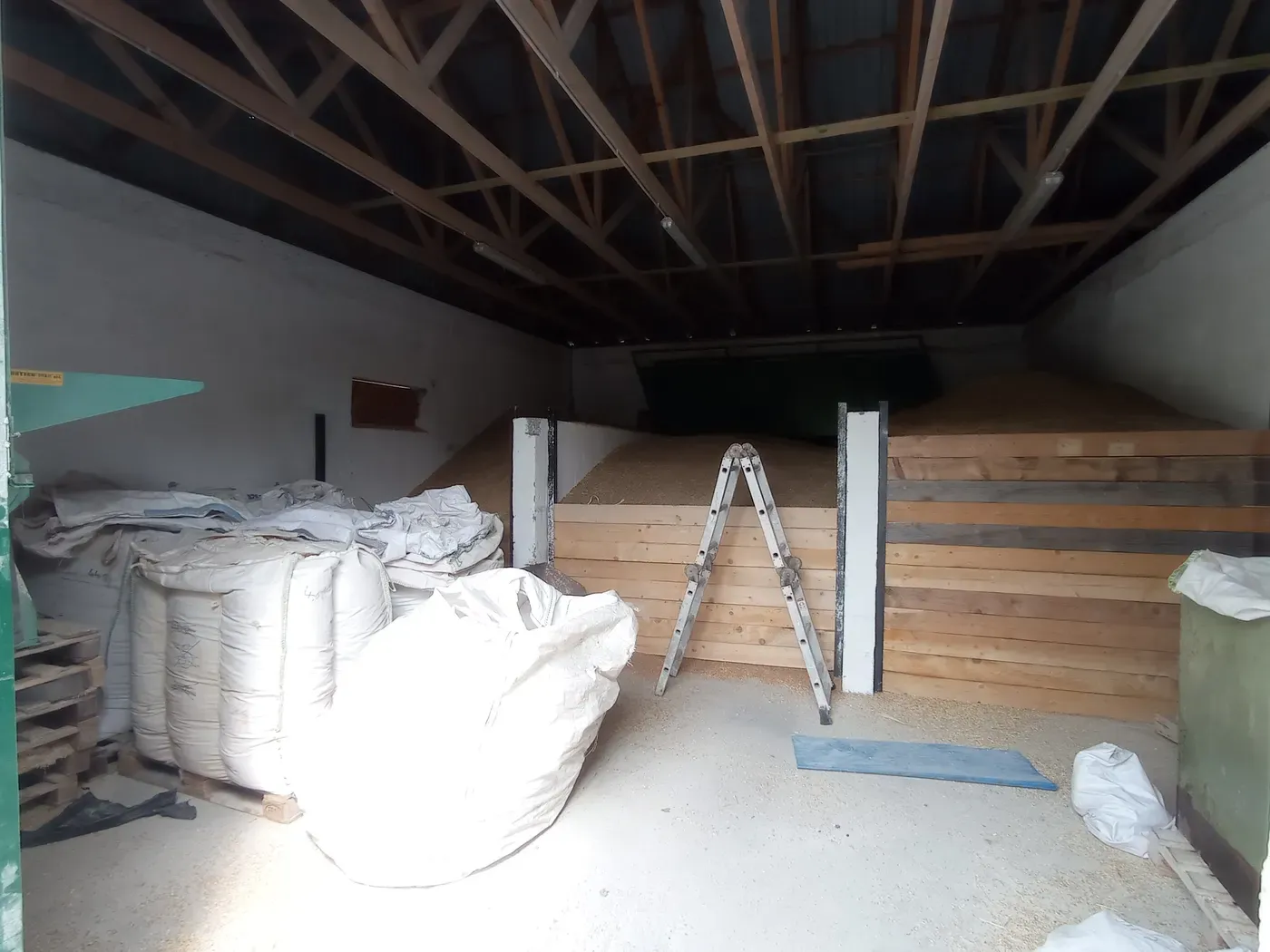
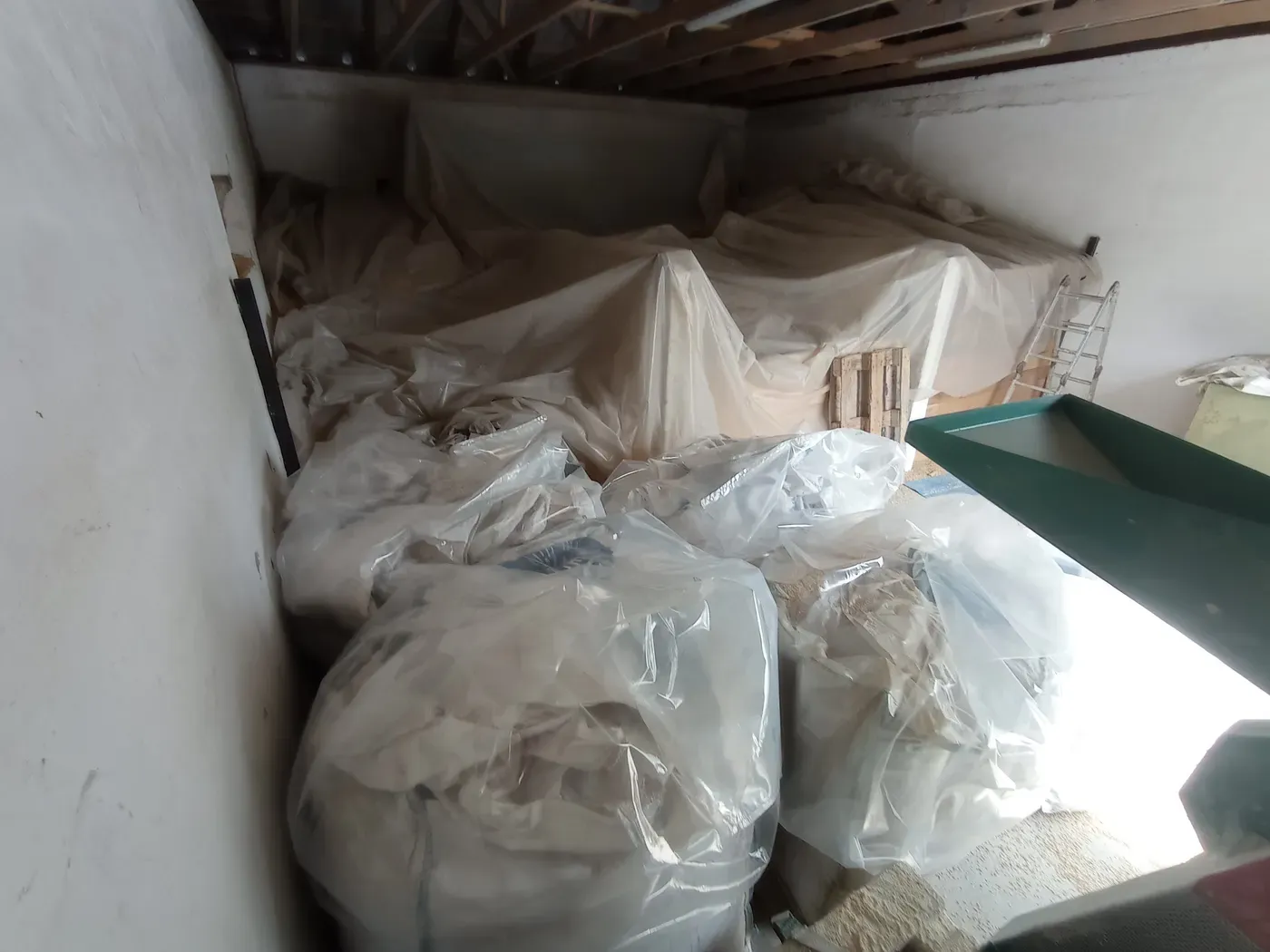
In grain silos and stores, mills, feed mixing plants, produce warehouses and processing plants. Bulk produce, bagged goods and palletised stock can all be treated, provided the space can be sealed gas-tight.
The process
- Survey and gas-tightness check. Fumigation is only effective if the space can be sealed. We seal gaps, vents and openings.
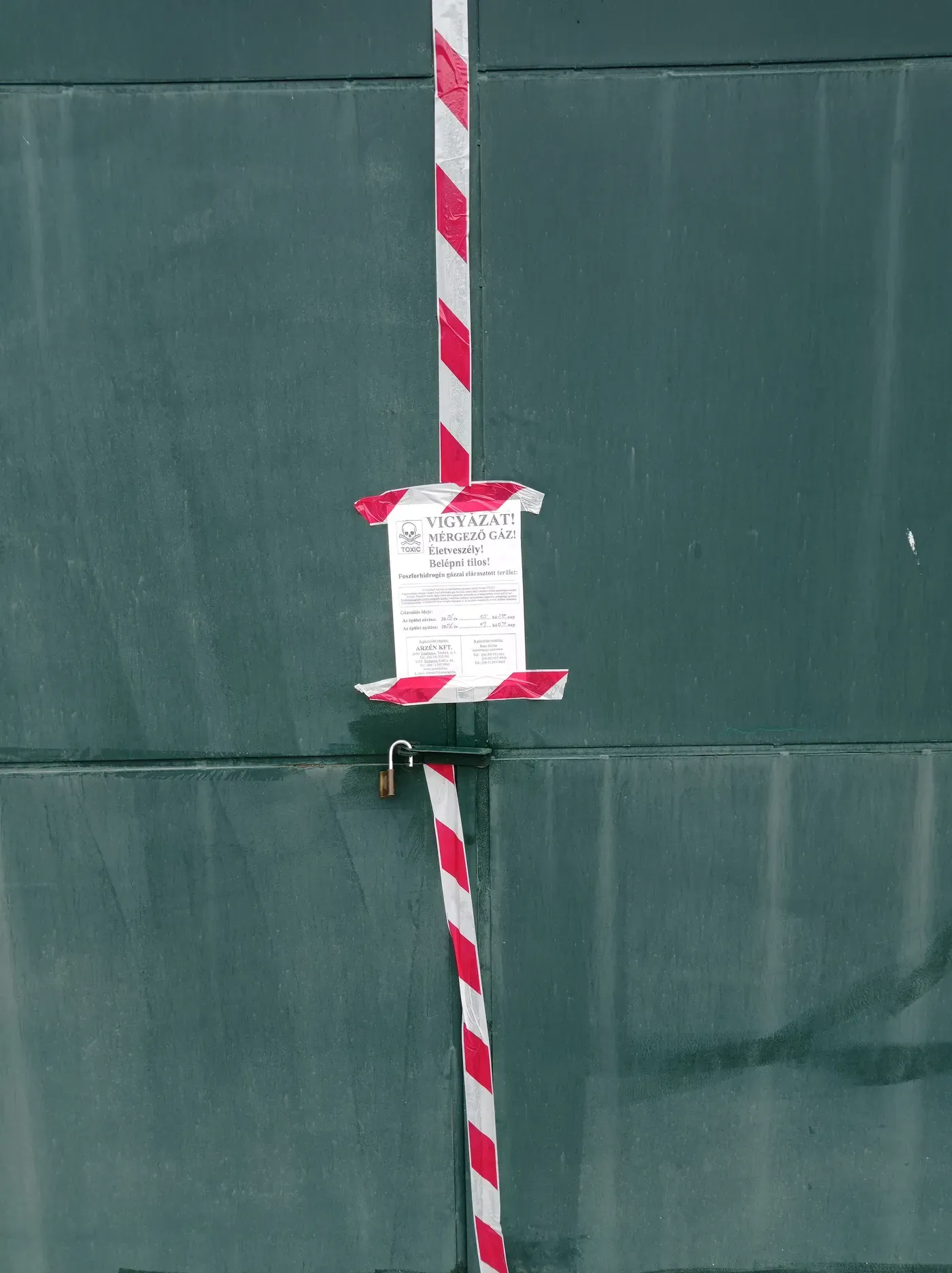
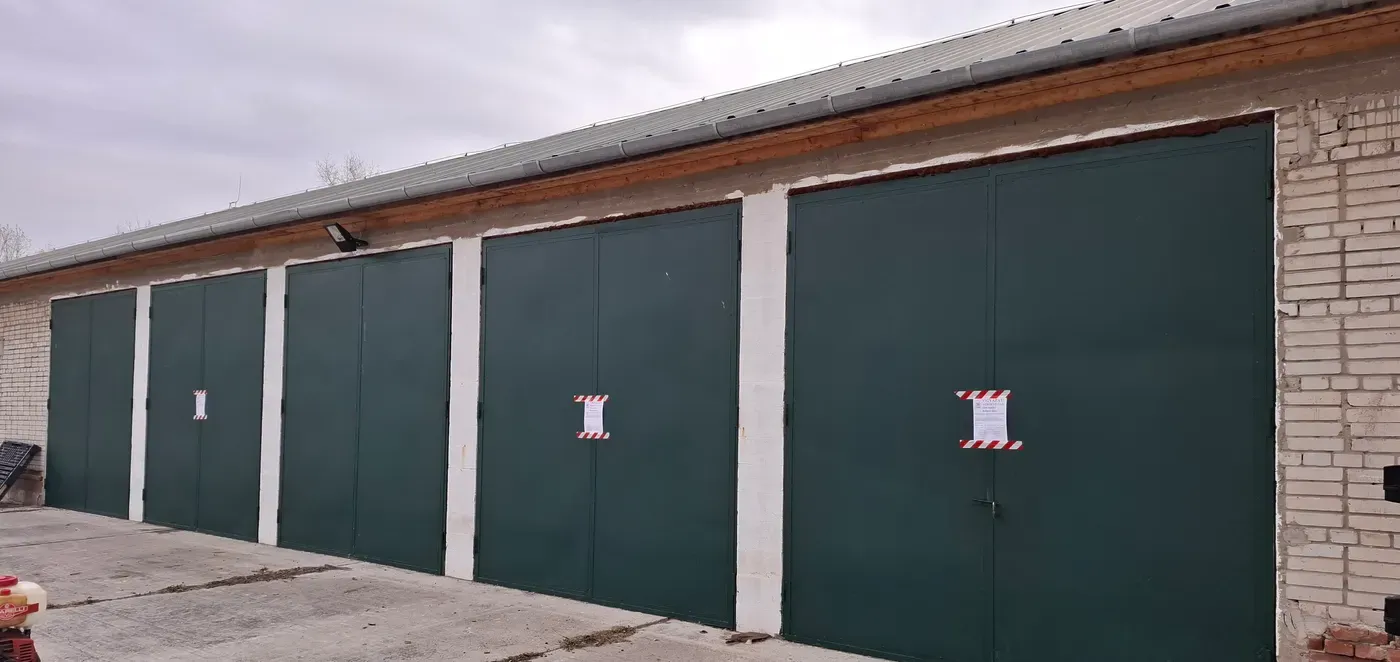
- Designating the safety zone. We mark out a safety zone around the treated space with warning signs, and seal off the area.
- Applying the active ingredient. The dose is determined by the volume of the space, the nature of the produce, the temperature and the target pest.
- Exposure period. Typically 5–10 days, depending on temperature.
- Ventilation and measurement. We only reopen the area once the residual concentration has been measured and confirmed to be below the threshold.
- Report. We document the entire process, together with the measurement results.
Safety
Phosphine is a highly toxic gas. Treatment may only be carried out by a specialist holding a valid fumigation-supervisor qualification, with the required personal protective equipment, under continuous concentration measurement. Our company is a member of the Magyar Egészségügyi Gázmesterek Egyesülete (the Hungarian Association of Health Fumigation Supervisors), and holds the licences required for this activity.